Concrete repair with long-lasting results

Concrete repair with long-lasting results

Over time, concrete structures can suffer damage due to concrete decay, cracking, or aging. This kind of damage affects not only the appearance but also the safety of the structure. Timely action prevents high repair costs and extends the lifespan of your structure.

At SealteQ, our innovative techniques and certified specialists deliver durable, reliable concrete repairs and renovations—protecting your structure for the future.

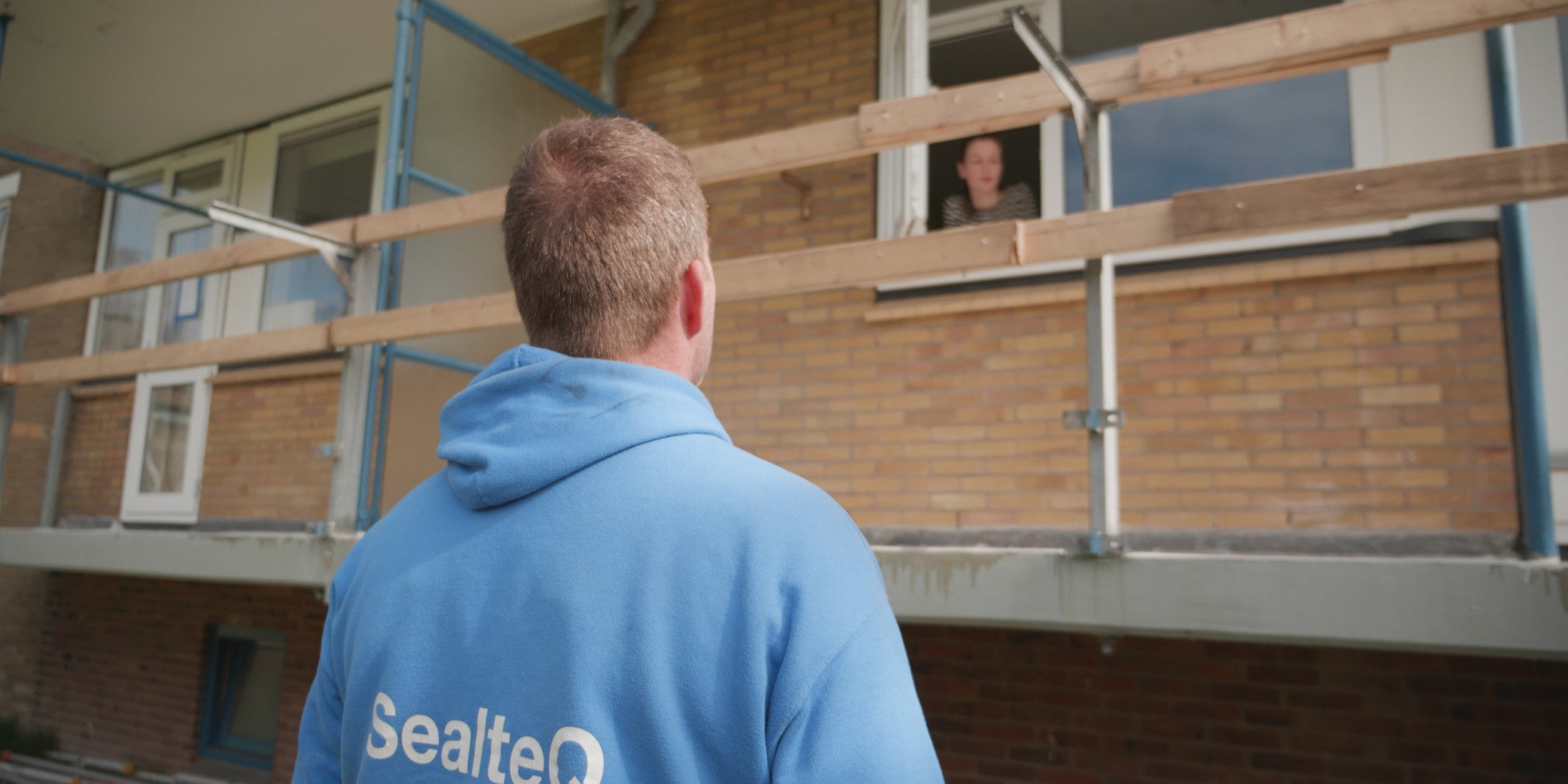
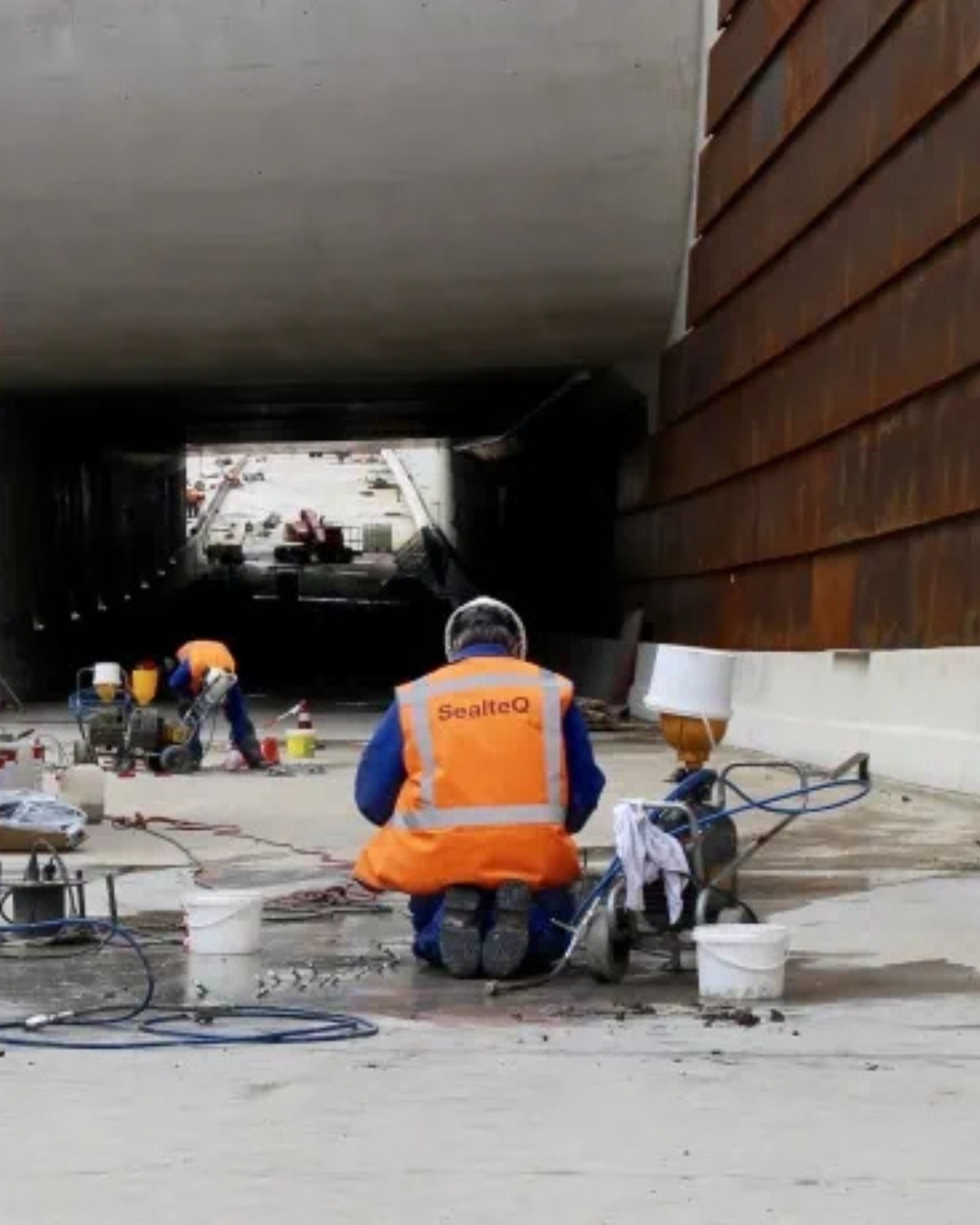
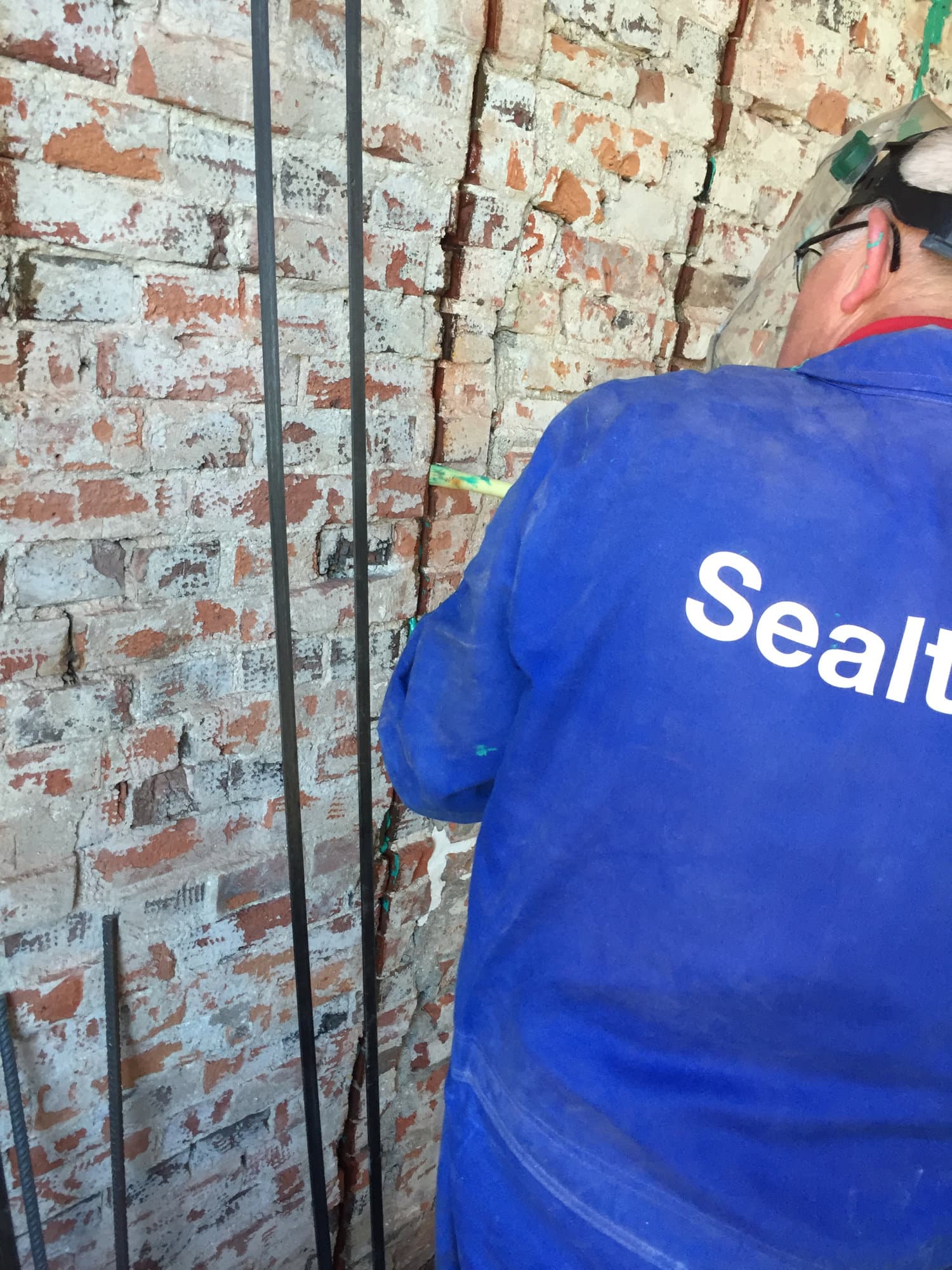
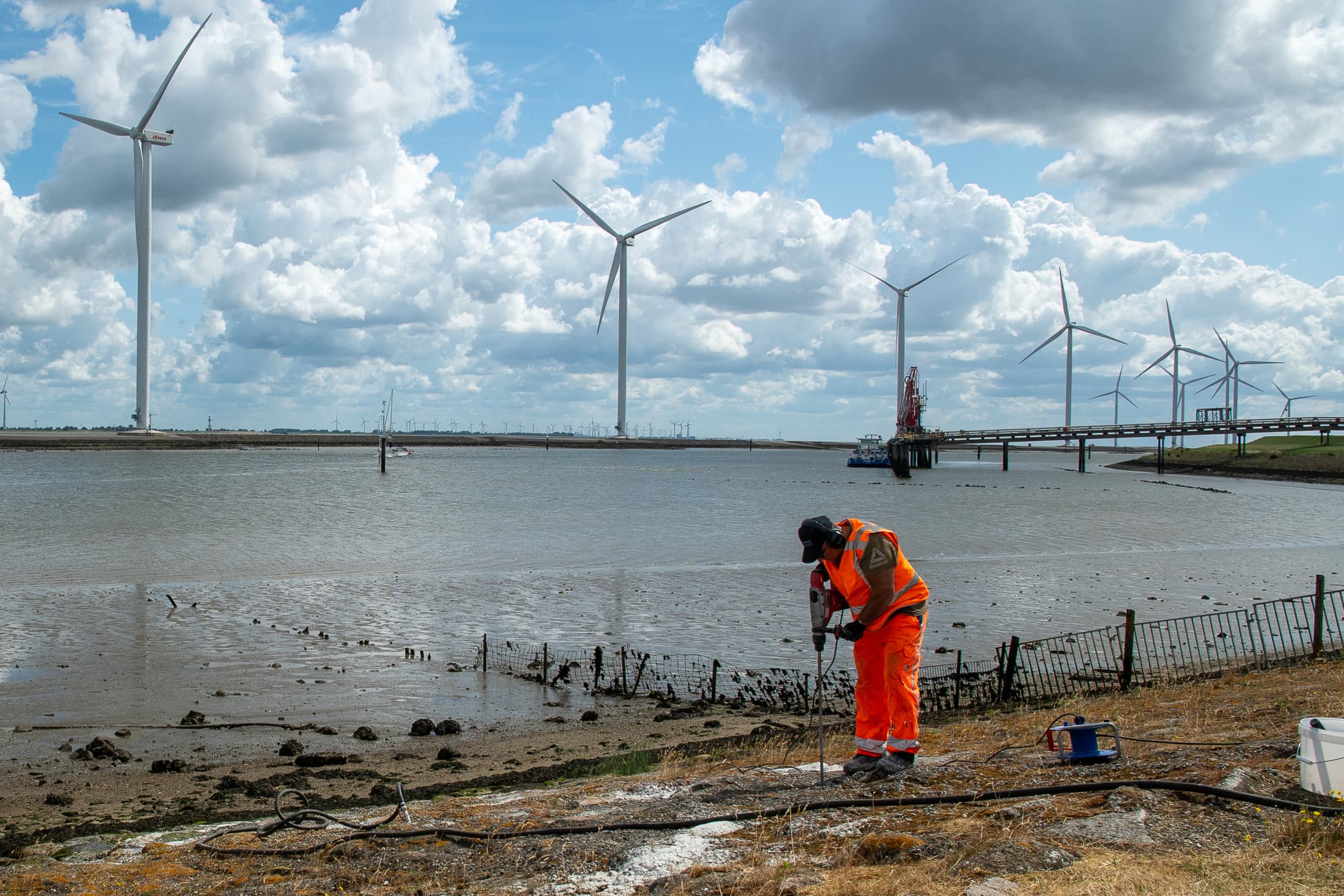
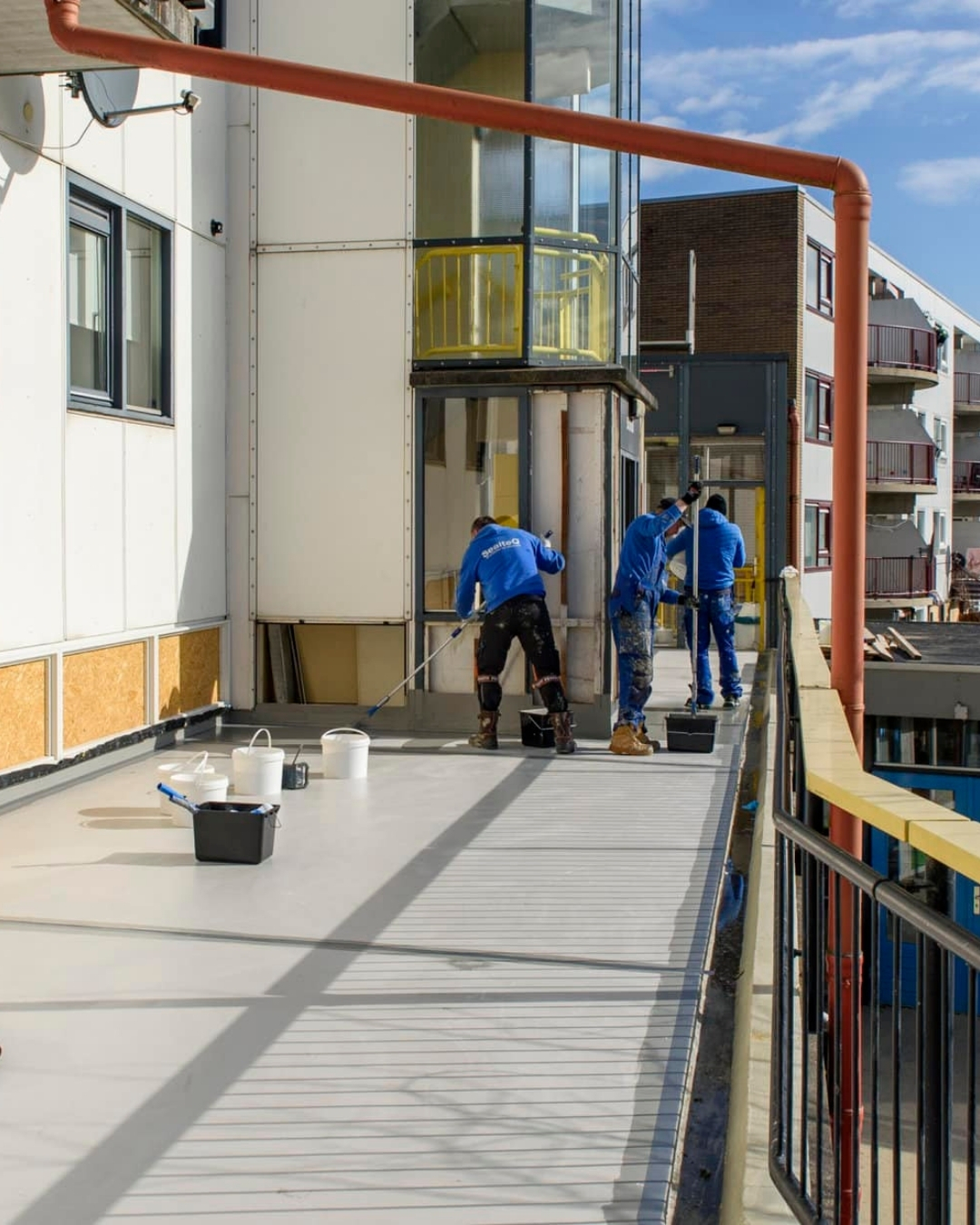
Concrete Repair foto 1
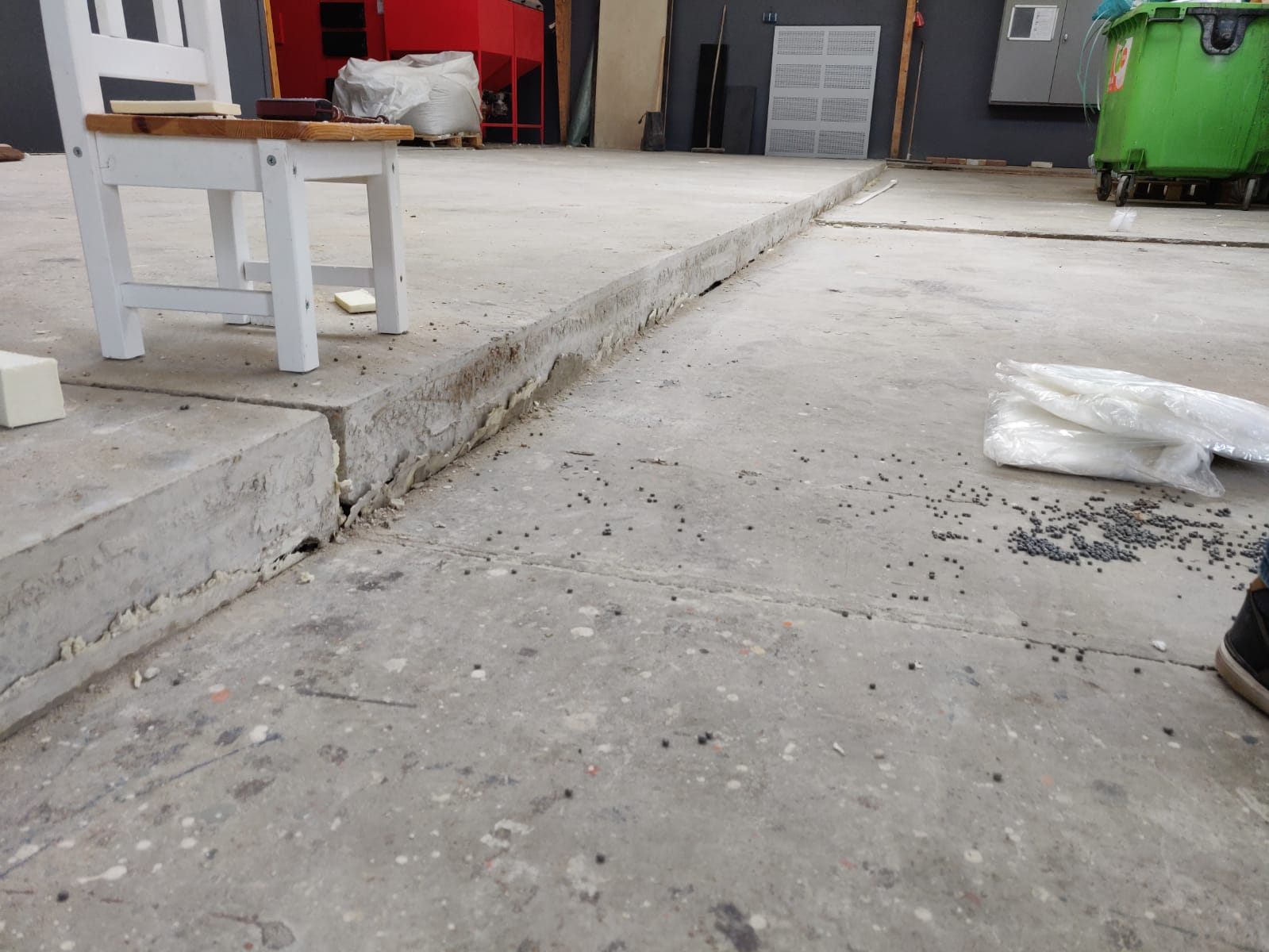
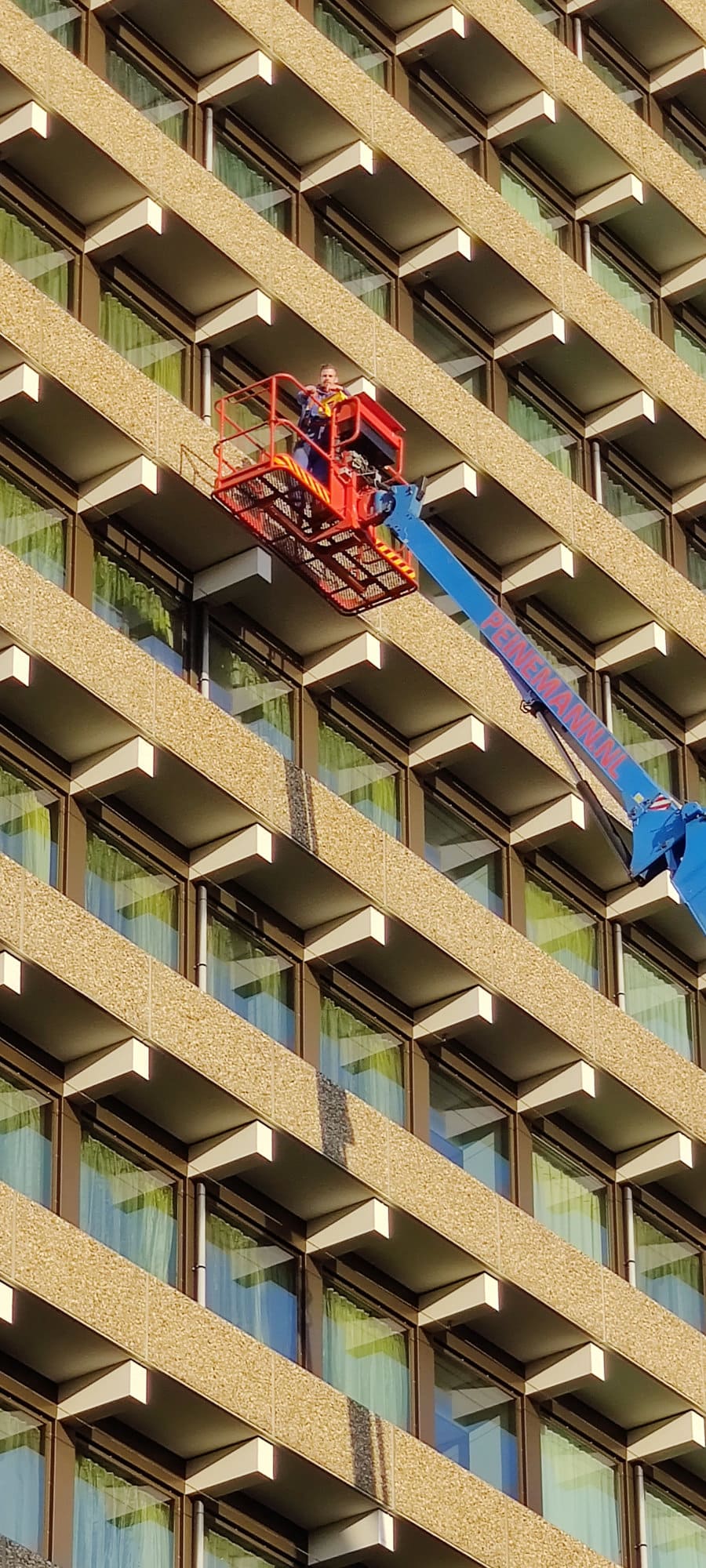
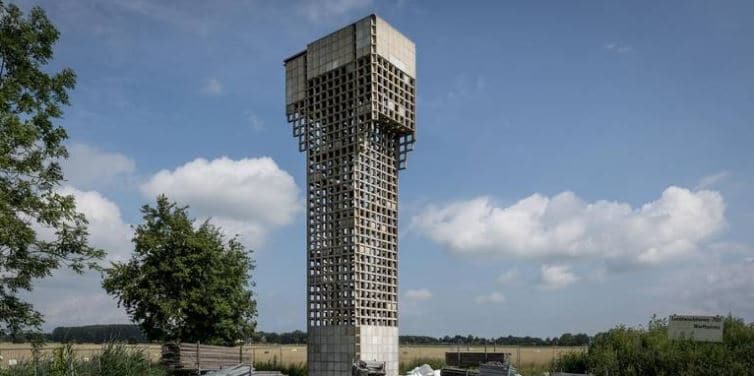
Concrete Repair foto 2
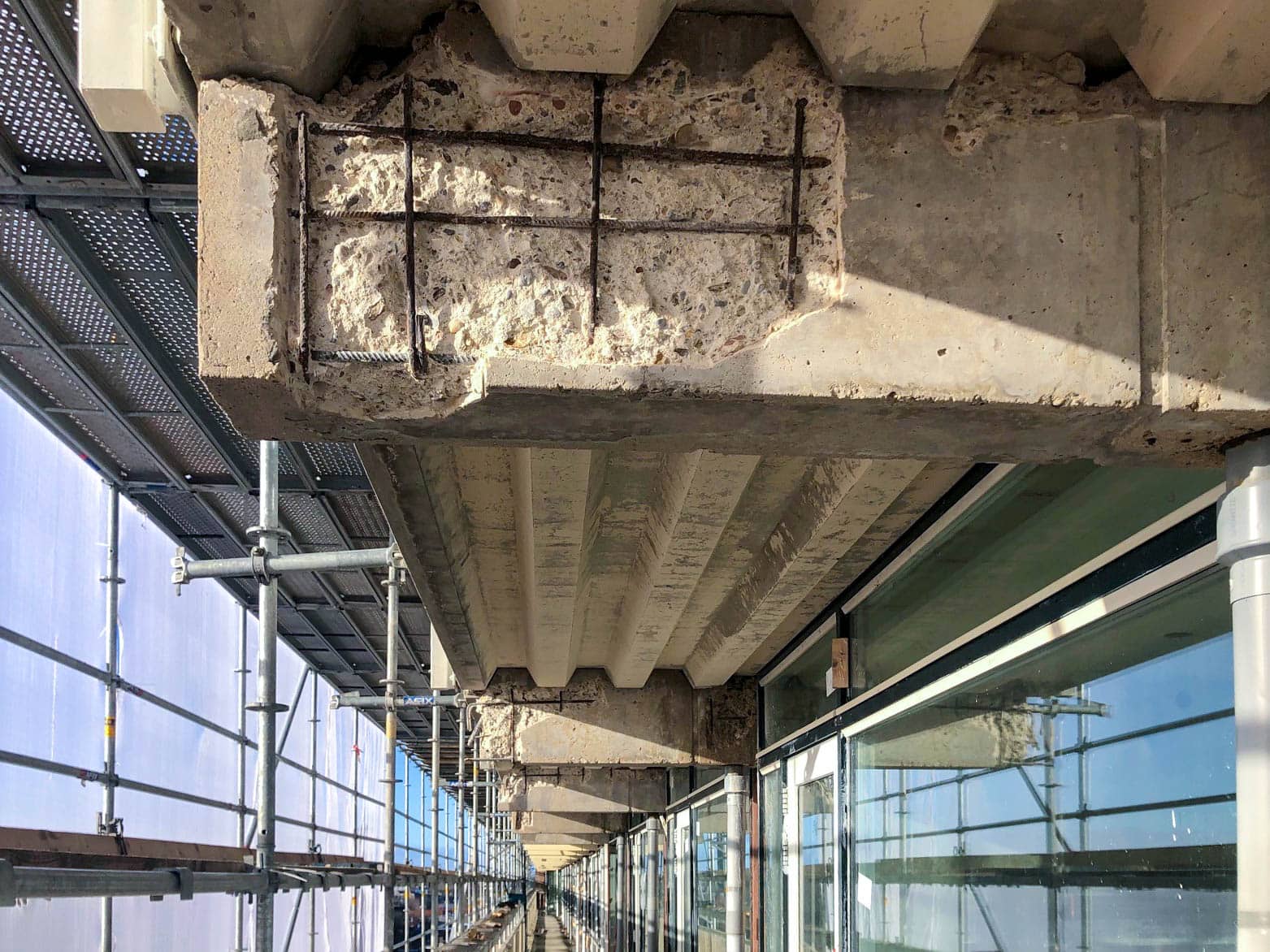
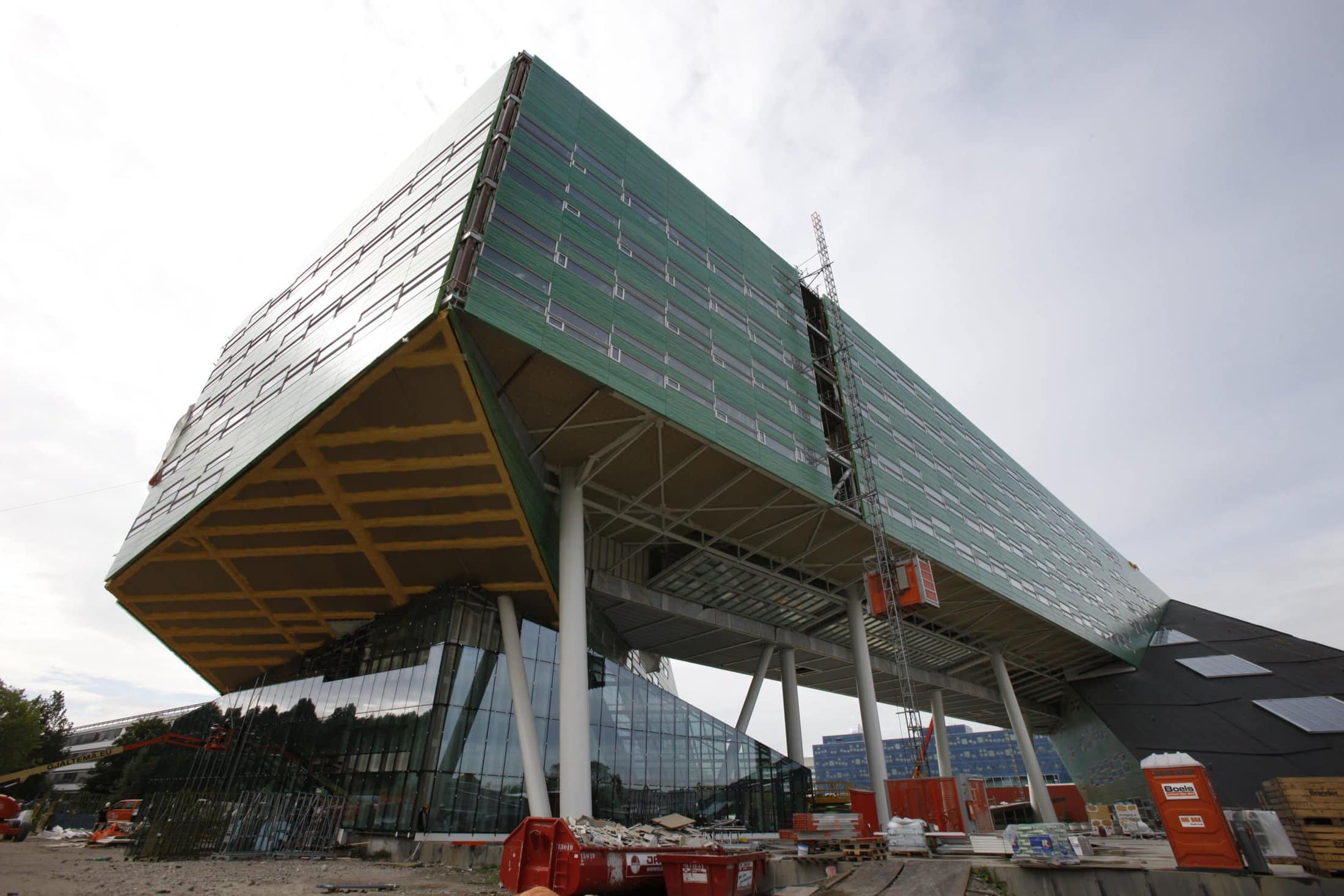
Concrete Repair foto 3
Swiper navigation right
Swiper navigation left

How does concrete damage occur?

Concrete damage can arise in several ways, often through a combination of chemical attack, moisture ingress, and physical loading. The most common causes are related to environmental factors such as weather conditions, de-icing salt, or intensity of use. Below we explain the four main causes of concrete damage.

Carbonation

A common cause of concrete damage is carbonation. Carbon dioxide (CO₂) from the air reacts with moisture in the concrete, lowering the pH value and causing the reinforcement to rust. The corrosion makes the steel expand, leading to cracking and spalling. You can find more information on our page about carbonation in concrete.

Chloride Ingress

In coastal areas and locations where a lot of de-icing salt is used, chlorides can penetrate the concrete. These substances accelerate reinforcement corrosion and thus cause severe chloride damage to concrete.

Freeze–Thaw Cycles

Repeated temperature fluctuations between freezing and thawing create microcracks in the concrete. Water then penetrates, freezes again, and expands—resulting in spalling.

Mechanical Damage

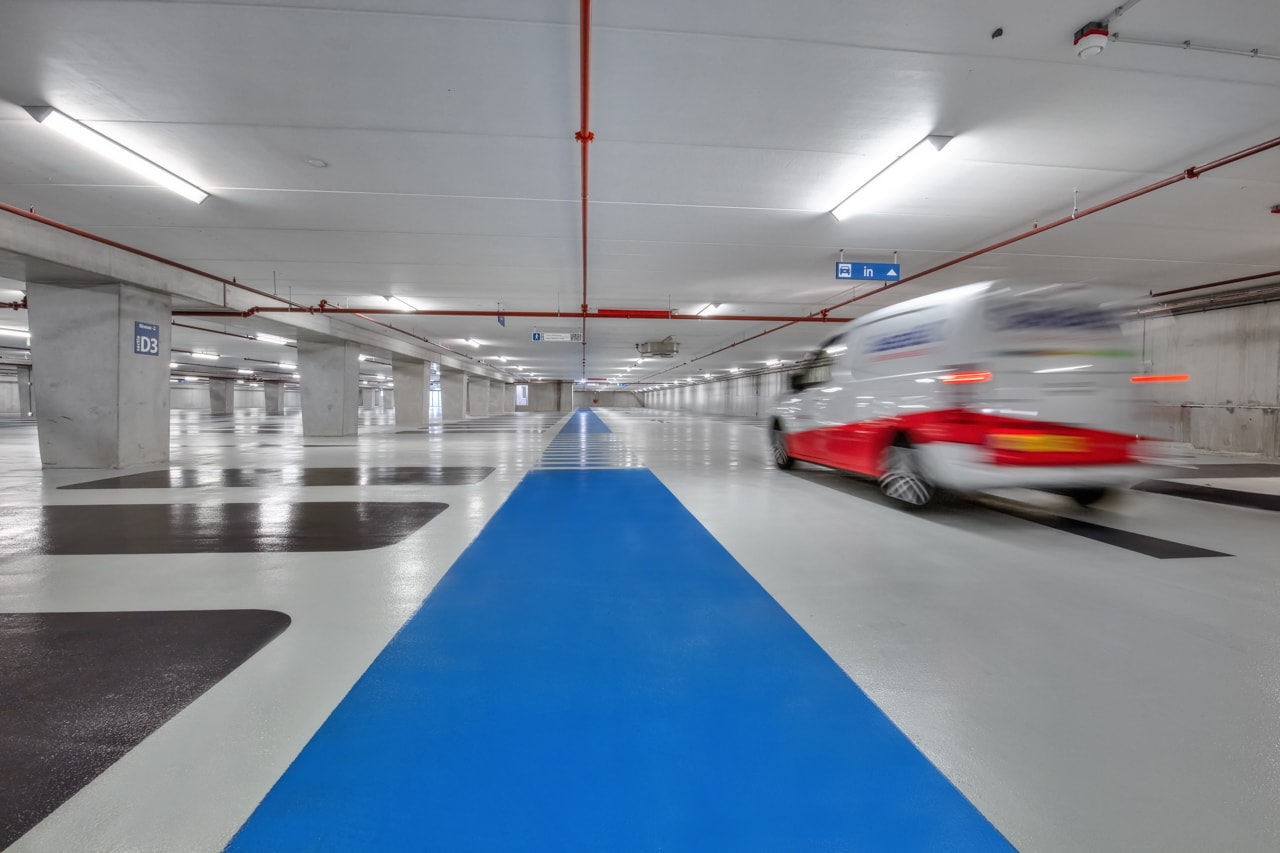
Intensive use, wear, or heavy impact can also affect concrete. Think of the loads on bridges or parking garages, where continuous stress and movement occur.

How Can You Identify Damage to Concrete?

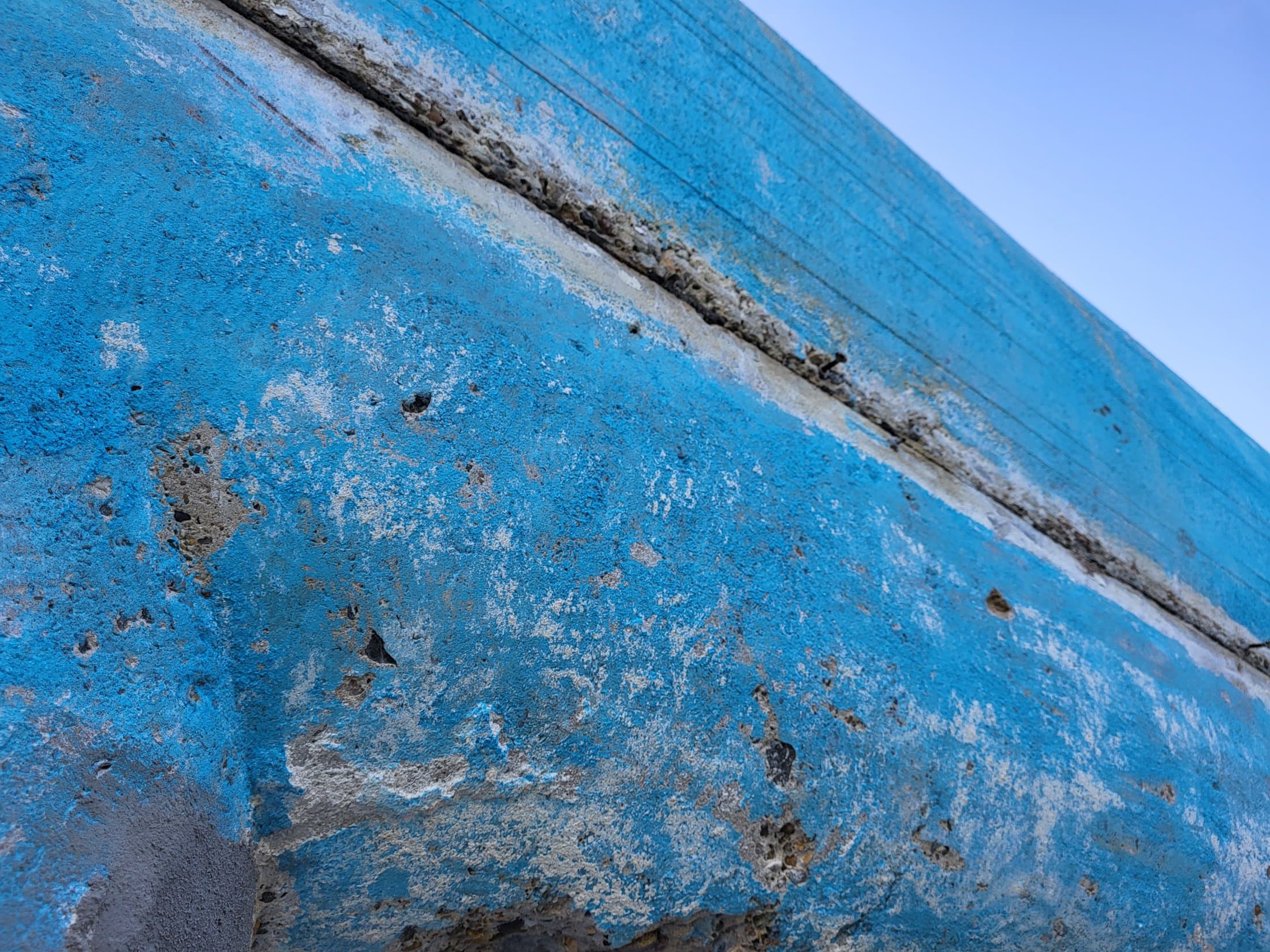
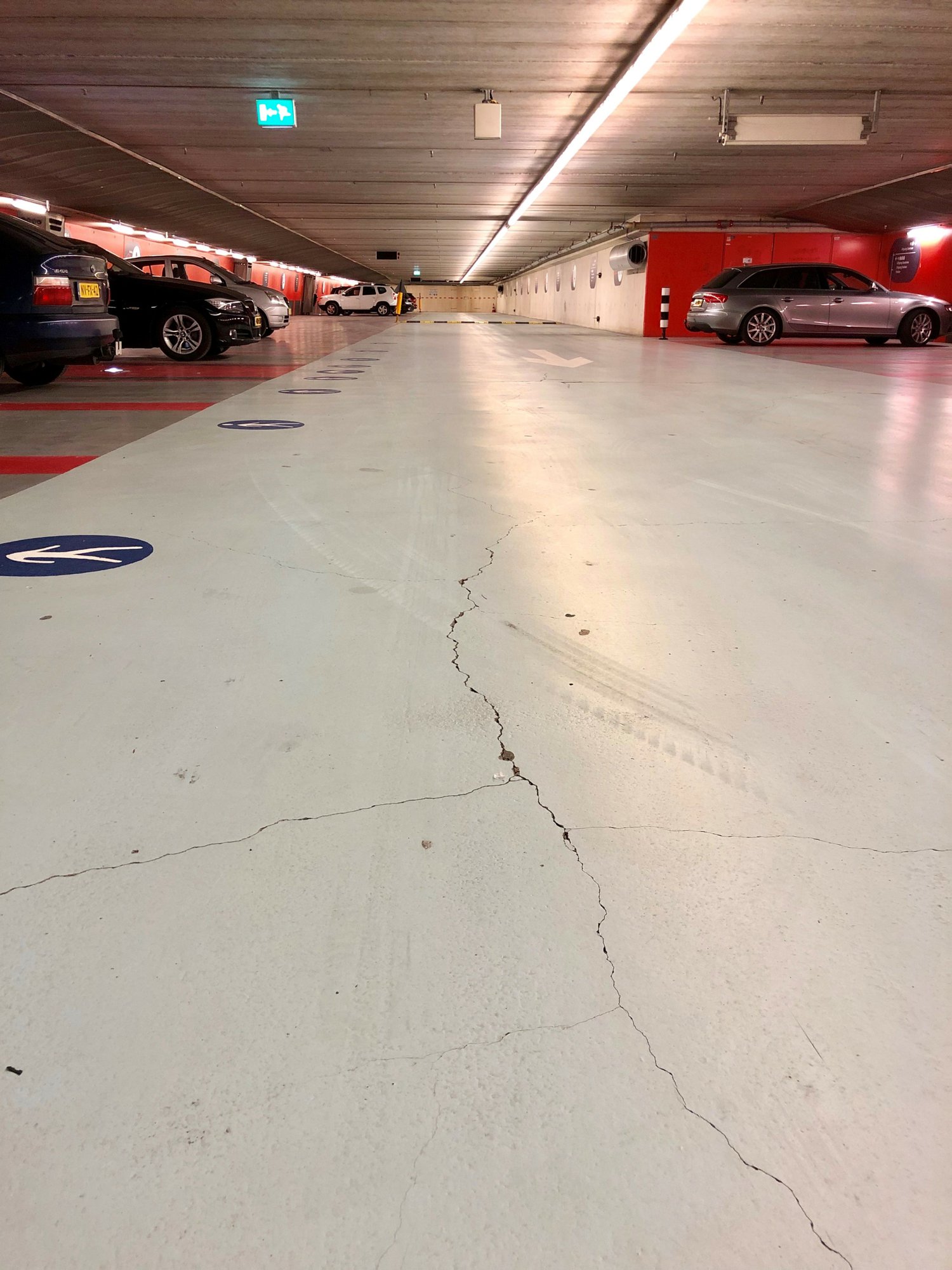
You can recognize damage to concrete by visible signs such as cracks, spalling, rust stains, and exposed reinforcement. Concrete may also sound hollow when tapped, or coatings may delaminate. These features often indicate underlying concrete damage such as concrete decay or reinforcement corrosion.

SealteQ in focus

Our 4-step approach to concrete repair

1. Inspection and diagnosis

We begin every concrete repair and concrete renovation project with a thorough inspection. We perform tests such as cover measurements, potential mapping, and chloride analyses to determine the exact cause and extent of the damage.

2. Selecting the right repair method

Depending on the type and extent of the damage, SealteQ selects a technique that is both effective and sustainable. From traditional concrete repairs to structural strengthening and preventive protection, we master multiple methods.

Manual Concrete Repair

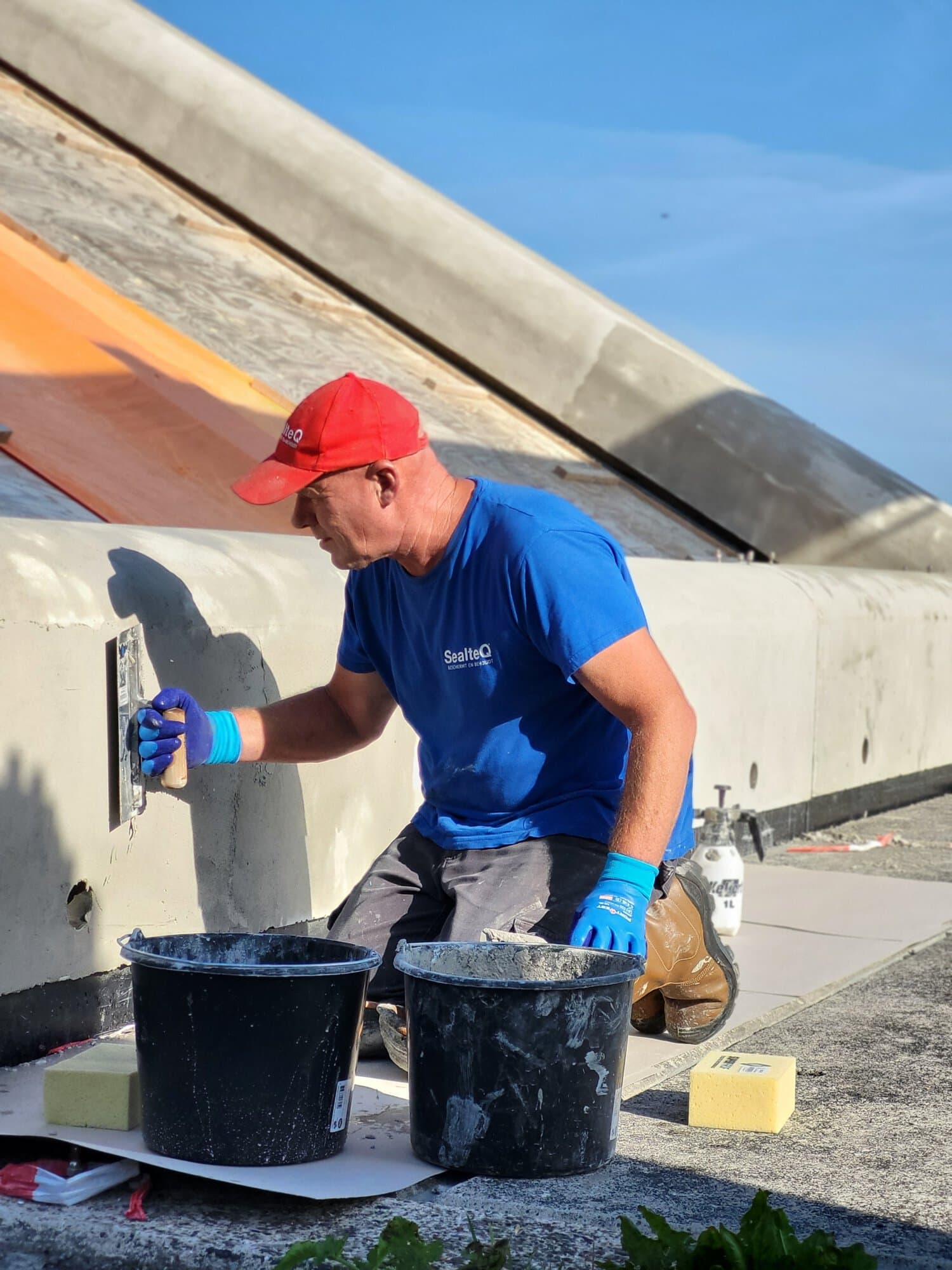
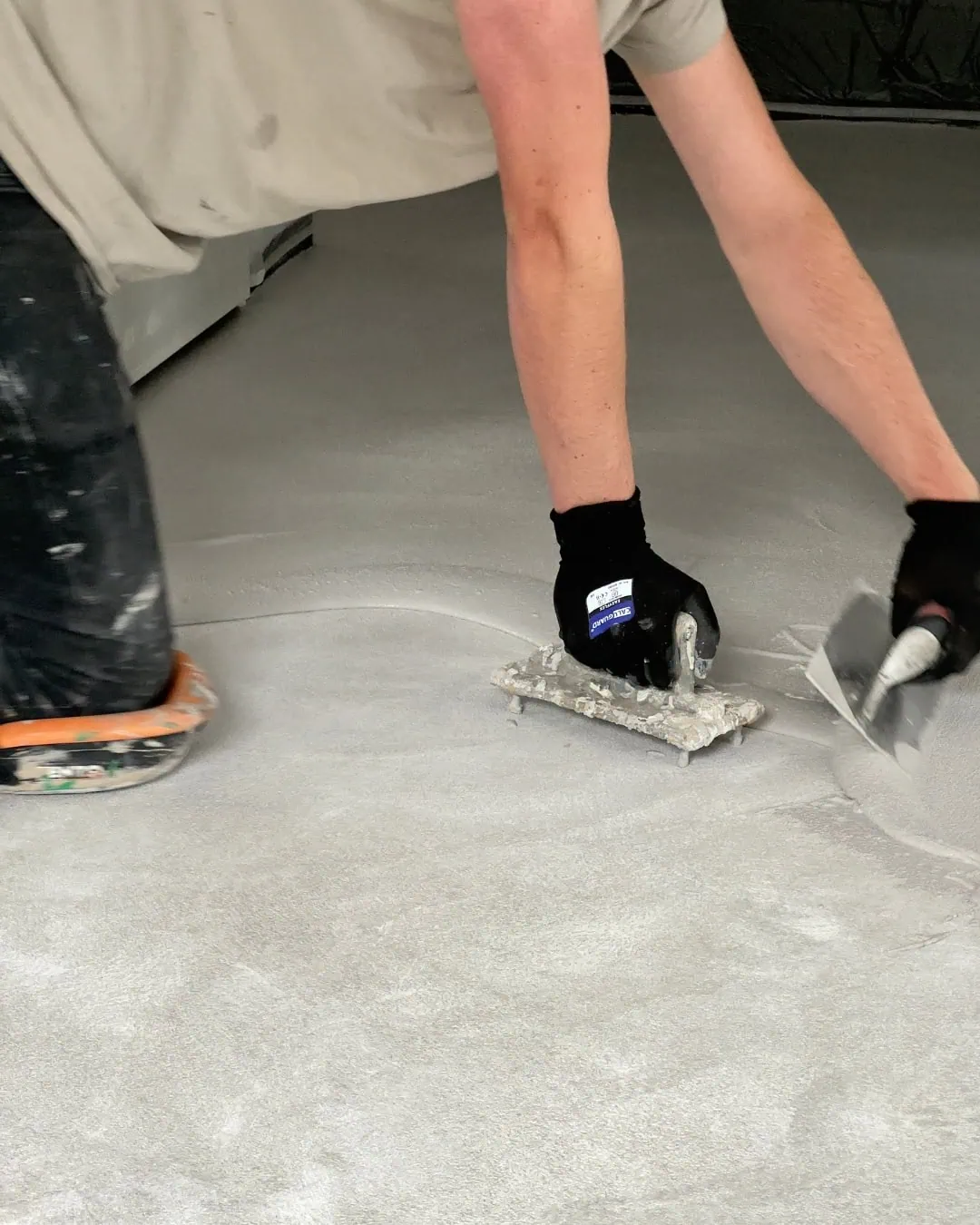
For damage caused by carbonation, the affected concrete is removed by hand, the reinforcement is treated, and the surface is restored with repair mortar. This approach is suitable for local damage and areas with limited deterioration.

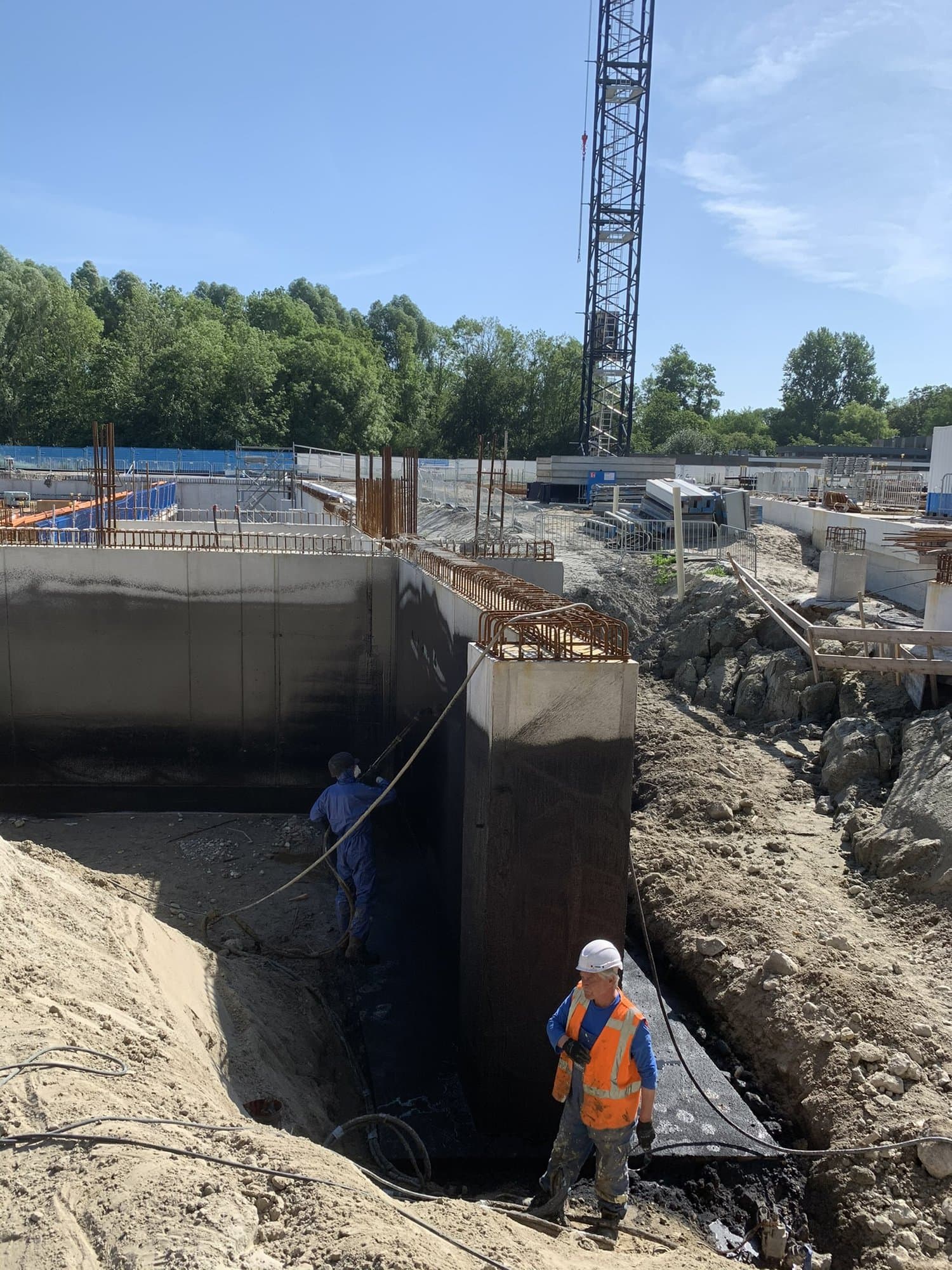
Spray concrete

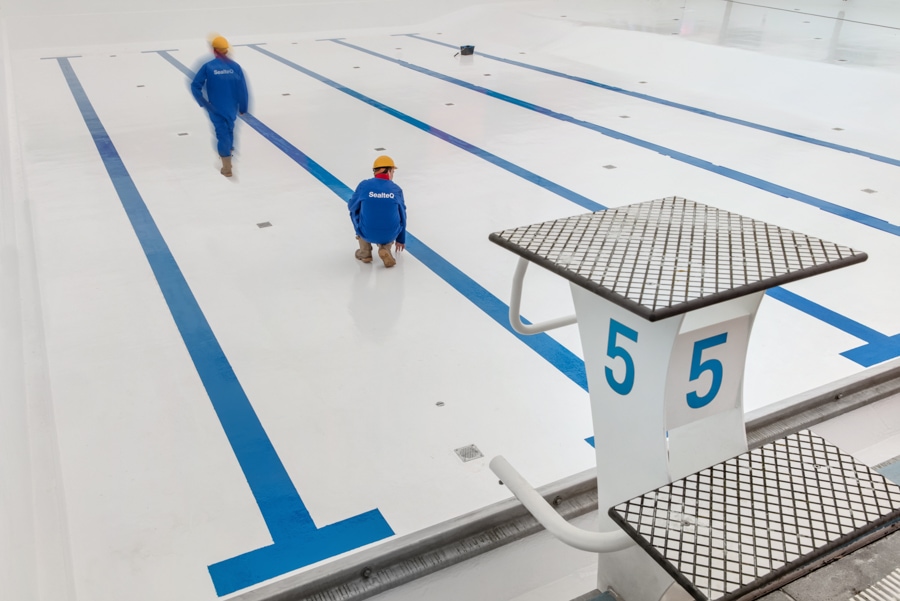
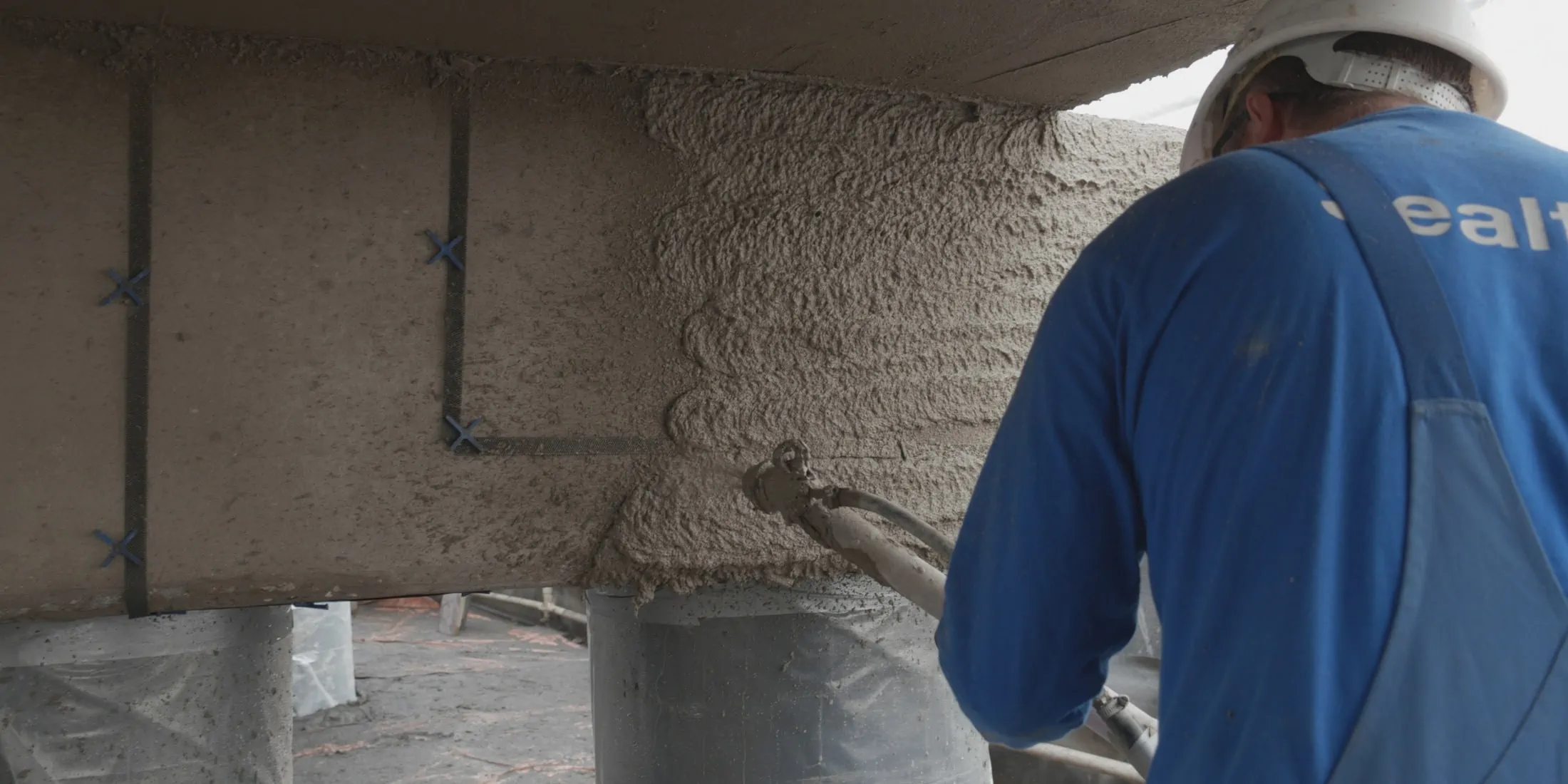
Shotcrete is applied to vertical or sloped surfaces, such as tunnel walls and concrete swimming pools. The mix is sprayed under high pressure, ensuring strong adhesion—even in hard-to-reach areas.

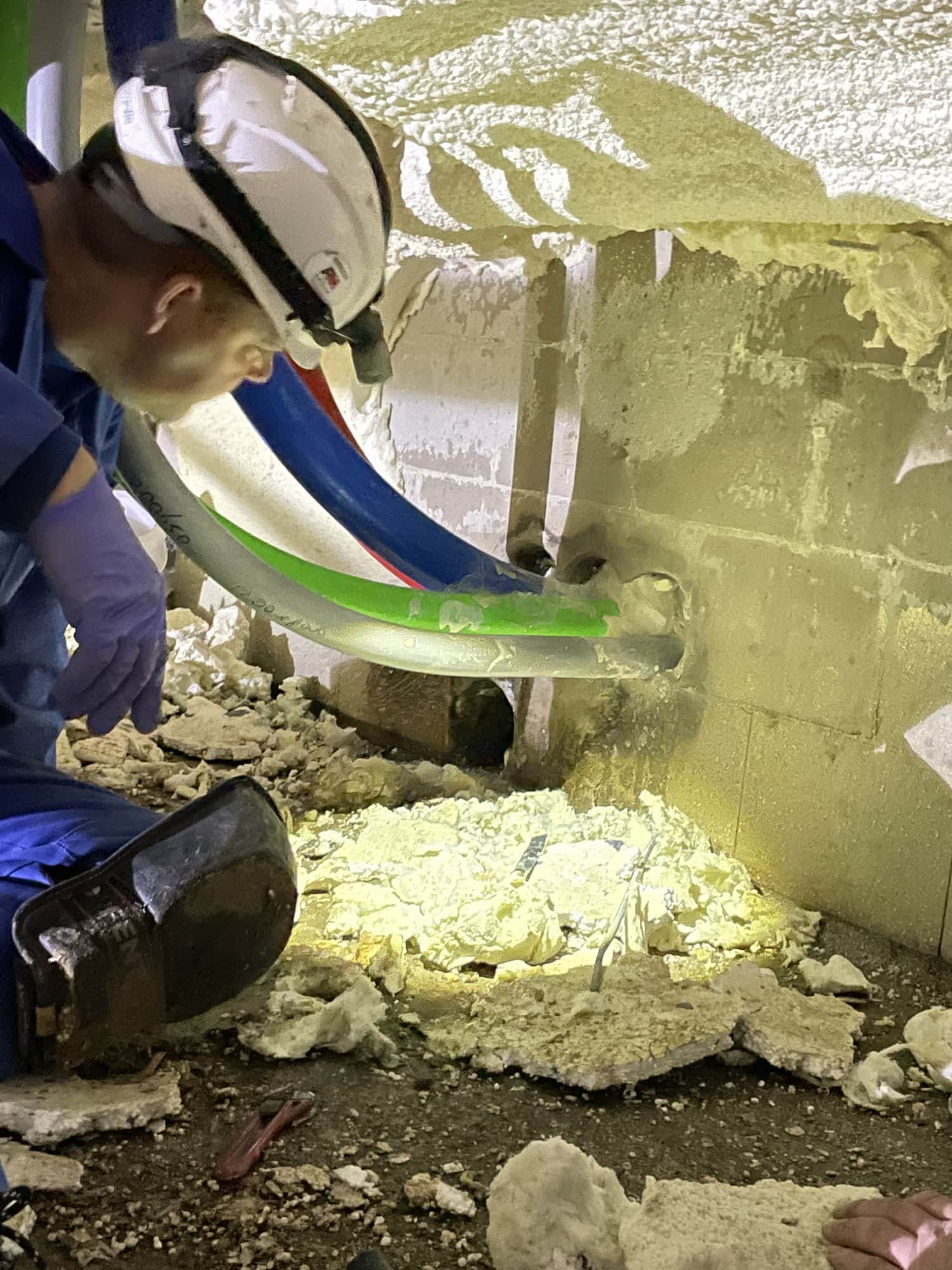
Concrete Injection

For cracks or leaks, we use concrete injection. Resins or other materials are injected into the concrete to make it watertight and prevent further damage.

Cathodic protection

Cathodic protection prevents corrosion in affected reinforcement using electrochemical techniques. This method is especially suitable for long-term protection of structures such as bridges and viaducts.

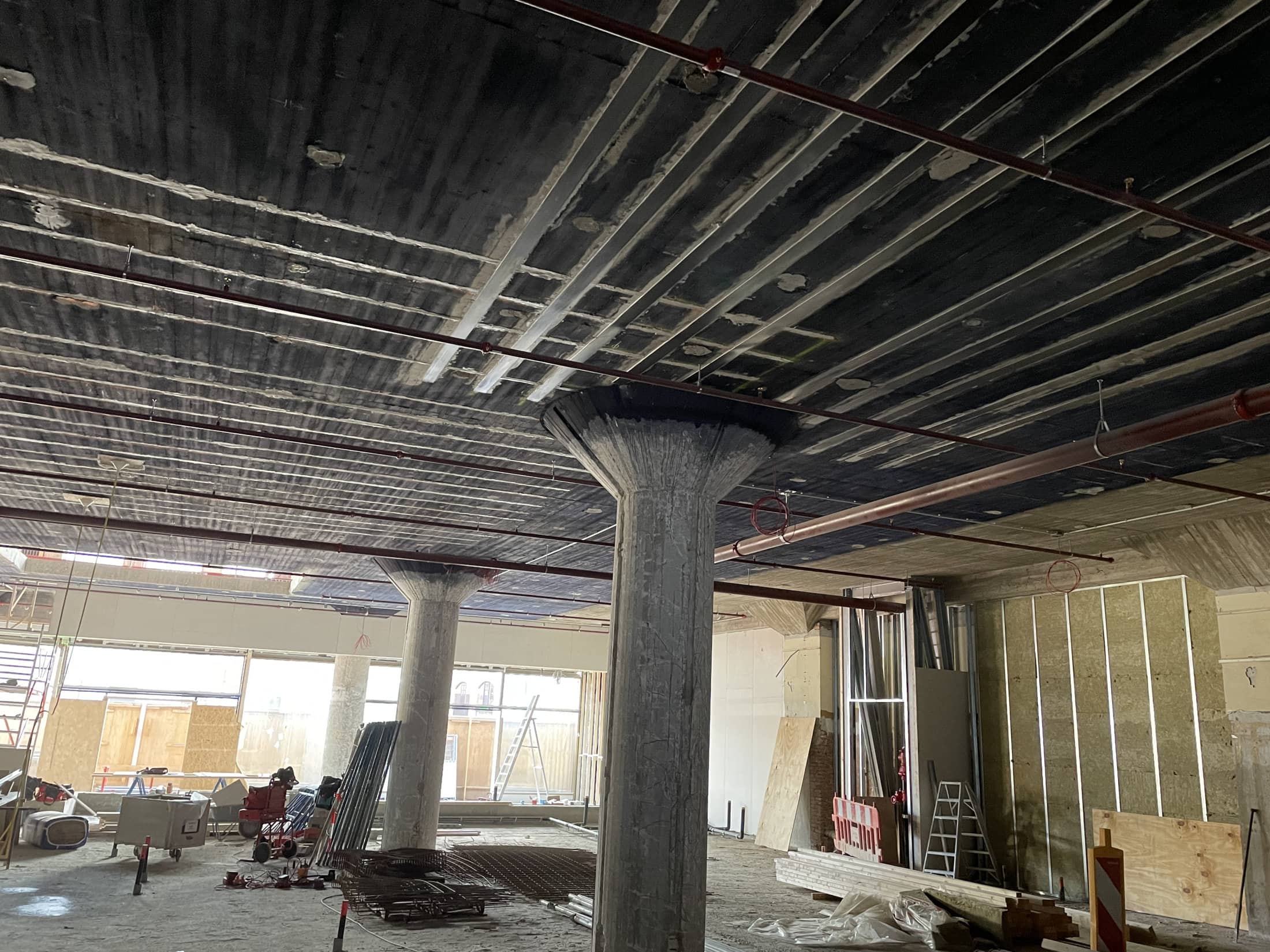
Carbon reinforcement

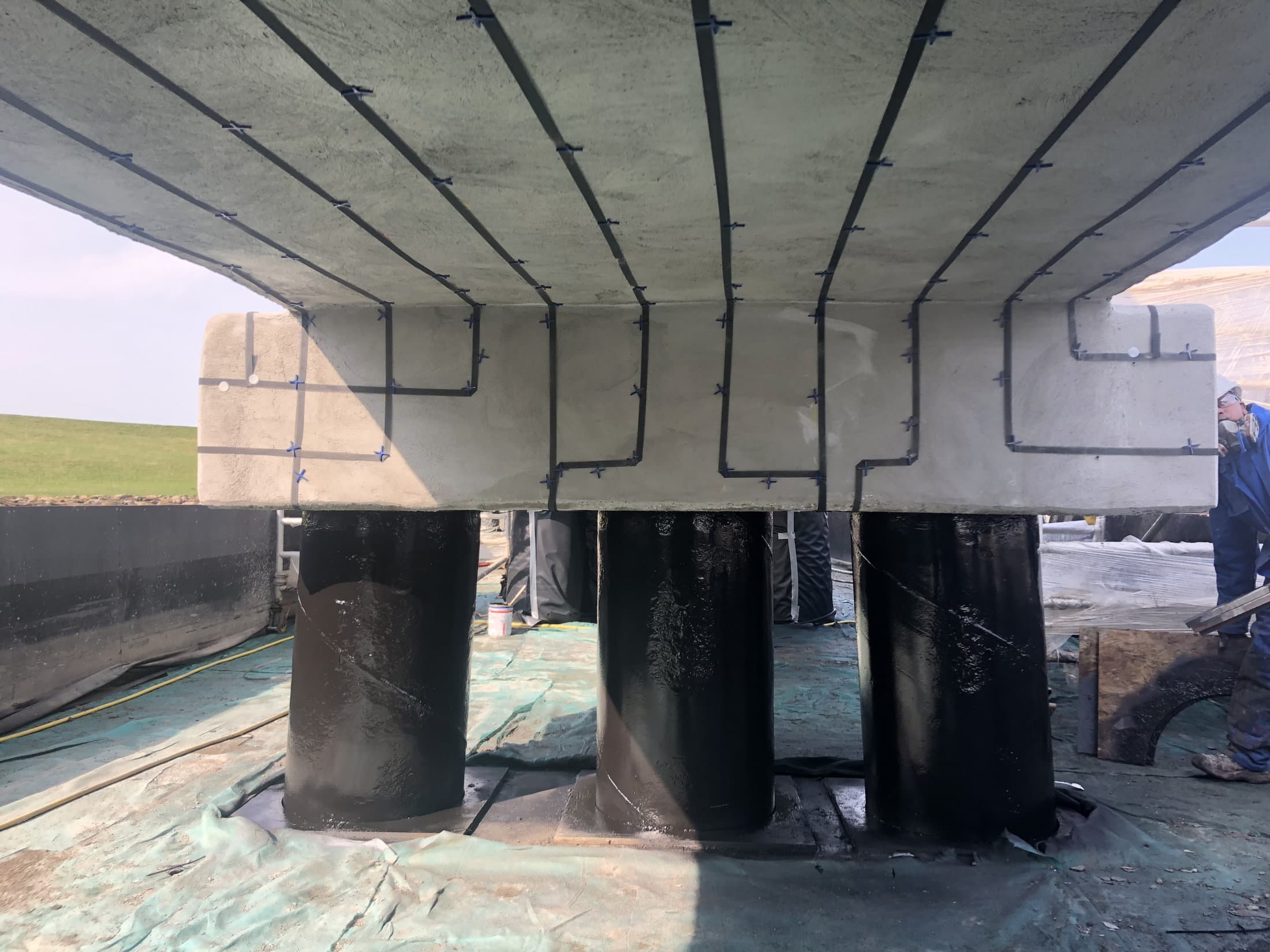
When additional load-bearing capacity is required, we bond carbon reinforcement to the concrete. This lightweight, high-strength material strengthens the structure without adding extra weight.

Concrete Coating

With a concrete coating, we protect floors, ceilings, or facades against moisture, wear, and chemical influences. It extends the lifespan and often also improves the appearance of the structure.

3. Use of high-quality materials

Repair Mortar (PCC)

A cement-based mortar used to fill and strengthen damaged areas of concrete.

Epoxy Resins

For bonding and injecting cracks. Epoxies offer high adhesion and strength.

Anti-corrosion Primers

These protect exposed reinforcement steel and prevent further corrosion.

Corrosion-inhibiting Coatings

By finishing the concrete with a special coating, we provide protection against moisture and external influences. Read more about our concrete coating solutions.

4. Evaluation and maintenance advice

Upon completion, you will receive clear maintenance advice. If desired, we will draw up a maintenance plan, including an assessment of the remaining service life of the structure.

Applications of concrete repair

Our concrete repairs are used across various sectors:

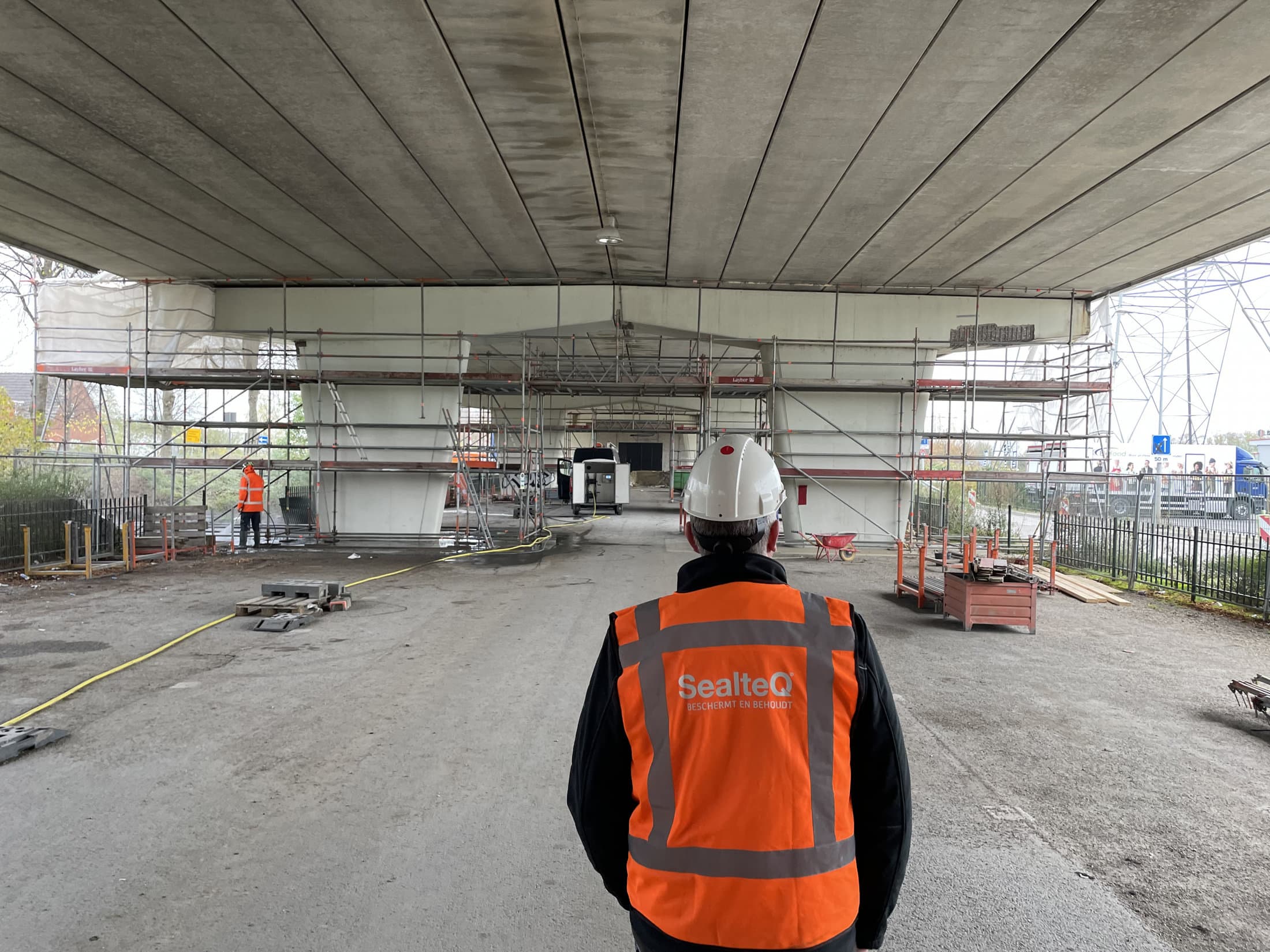
  • Infrastructure: bridges, viaducts, tunnels
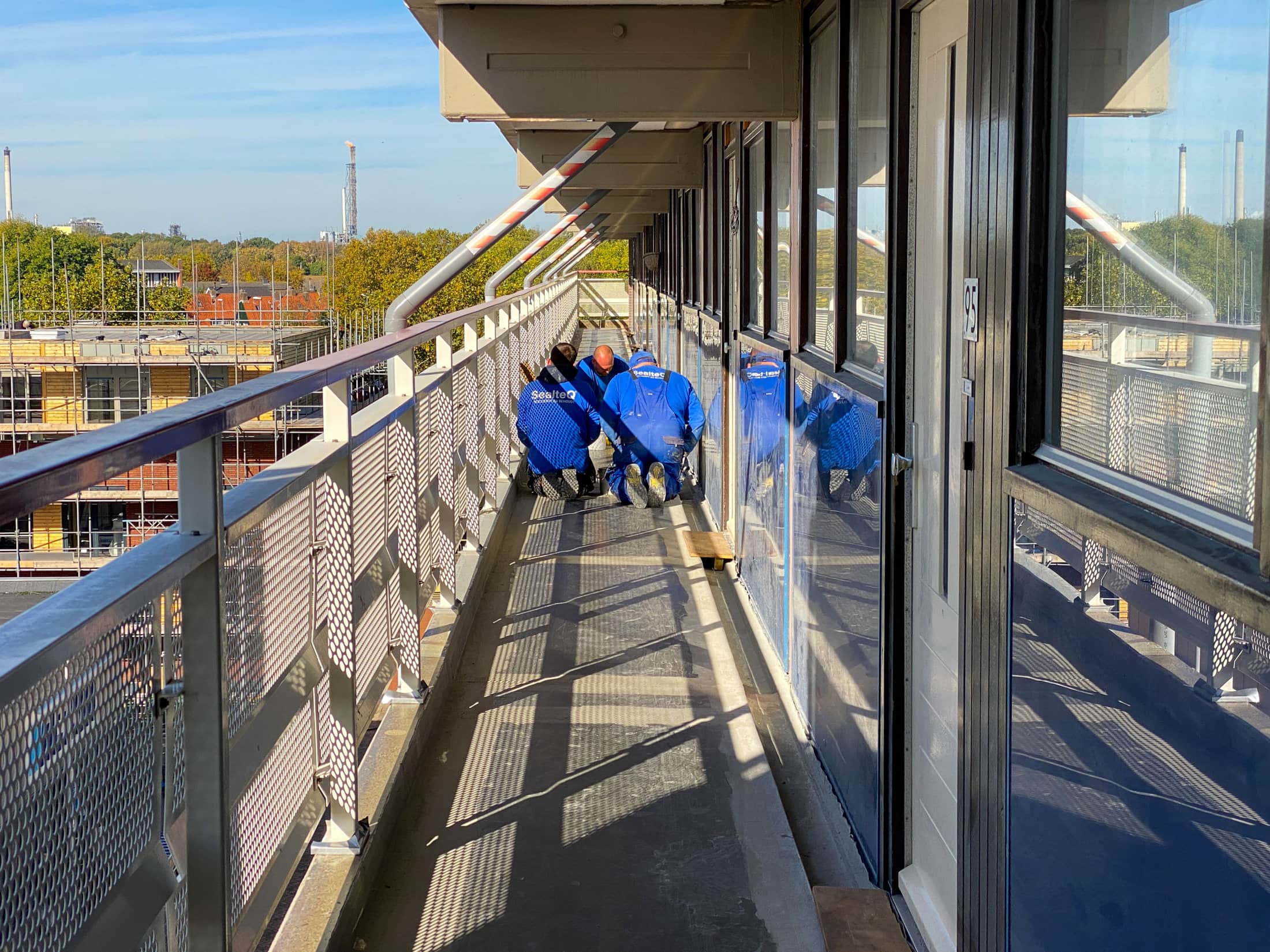
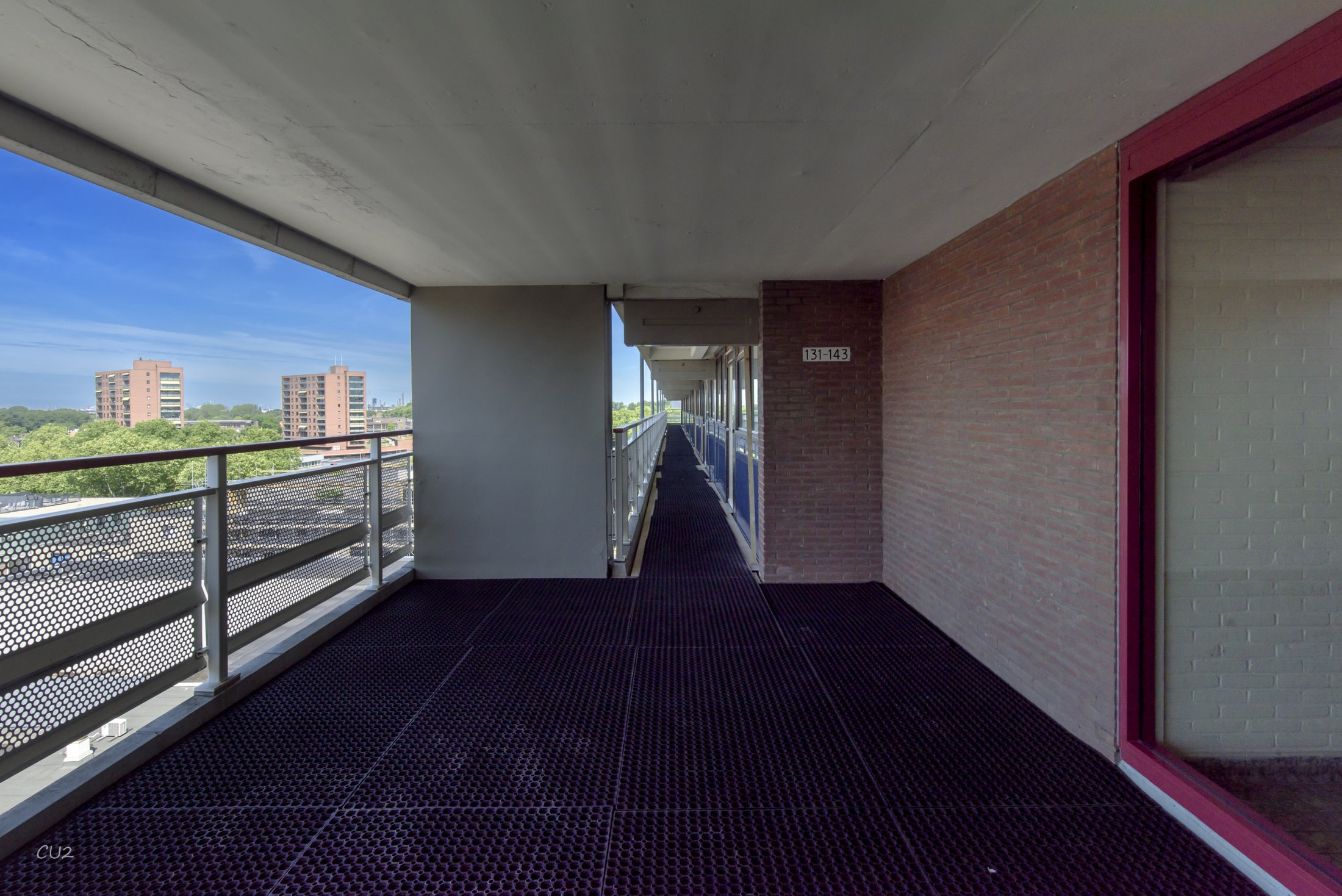
  • Commercial and residential construction: parking garages, access galleries, balconies, ceilings, hospitals
  • For private clients: foundations, floors, private balconies

Sustainable Concrete Repair

At SealteQ, we believe in the value of sustainable restoration. Concrete repair extends the service life of existing structures and prevents unnecessary demolition and new construction. This not only saves costs, but also contributes to a circular economy and reduced CO₂ emissions. Our approach aligns with ESG objectives and responsible construction. You can read more about our methods and standards under quality and safety and certification.

Frequently asked questions about concrete repair

How does concrete damage occur?

Concrete damage often results from carbonation, chloride ingress, freeze–thaw cycles, and mechanical loading. This can lead to cracking, spalling, and rust formation.

How Do I Recognize Concrete Damage?

Watch for cracks, spalling, rust stains, exposed reinforcement, or hollow-sounding concrete. Peeling or delaminating coatings can also be a warning sign.

What is Concrete Made of?

Concrete consists of cement, aggregates (sand and gravel), and water. This mix hardens into a stone-like material as it cures.

How Do You Repair Poor Concrete?

Damaged or poor-quality concrete is restored by removing loose, deteriorated areas and filling the damage with repair mortar or injection resin. Cracks and holes are sealed with specialist repair materials, after which the concrete can be protected with coatings against future deterioration.

What Can You Use to Repair Concrete?

Concrete can be repaired with concrete repair mortar, epoxy resin, or polyester filler. Large holes and cracks are typically filled with repair mortar for stability; for smaller or deeper defects, epoxy or polyester fillers can also be used due to their strong adhesion and durable fill.

What Happens if I Do not Repair Concrete Damage in Time?

The damage can worsen, leading to higher repair costs, structural risks, and a shorter service life for the structure.
Contact us for an inspection or advice

Curious about the condition of your concrete structure? Our specialists are ready to provide non-binding advice or an inspection report. Contact us to schedule an on-site appointment.

Projects

View more concrete repair and renovation projects

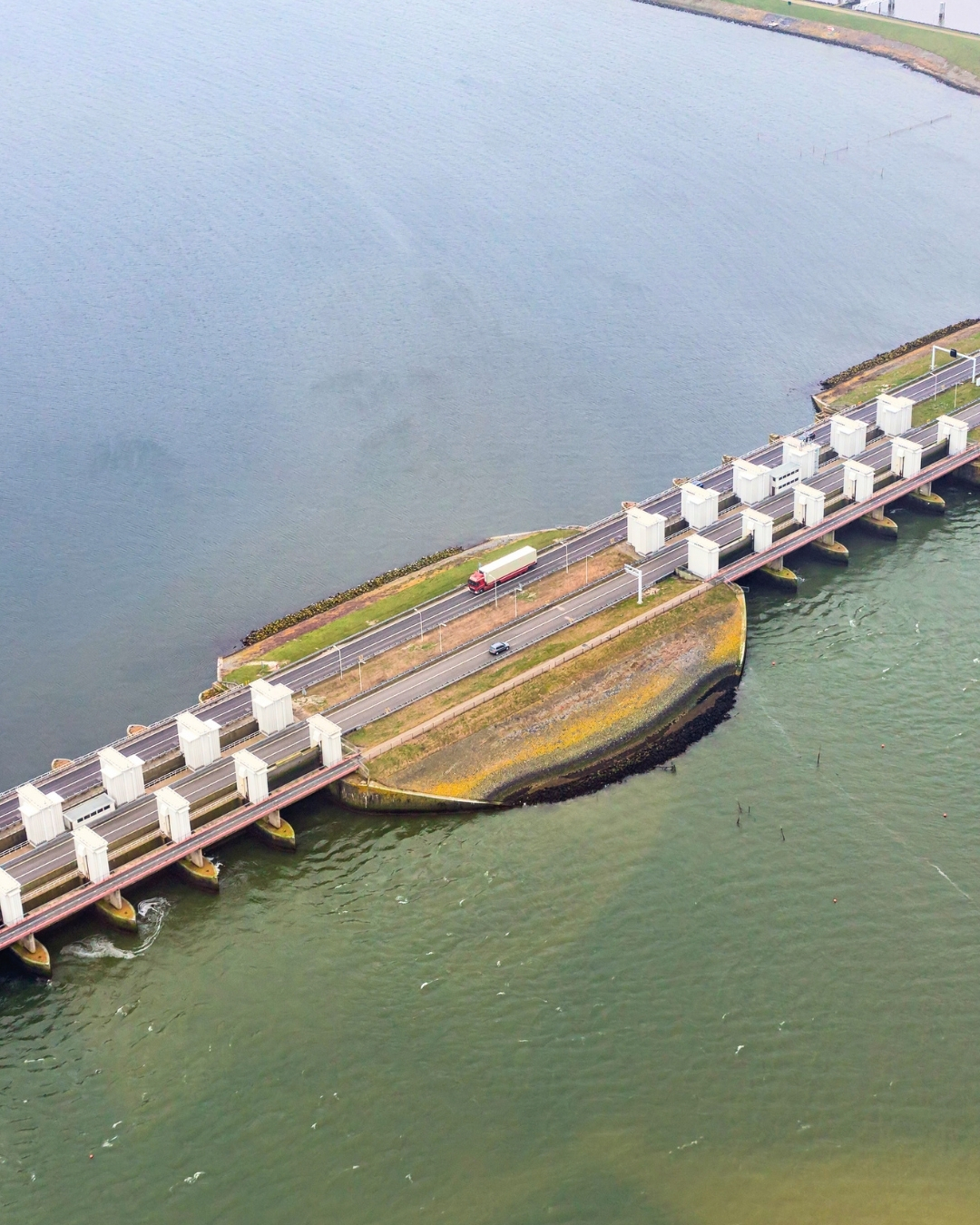
Concrete repair to drainage pipes on the Afsluitdijk
Concrete repair to the cooling water channel at Geertruidenberg
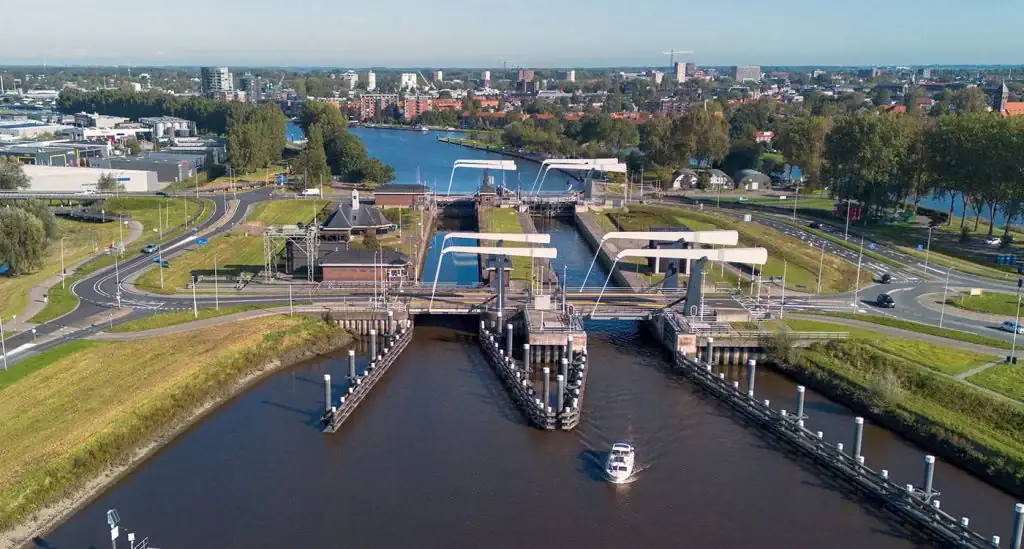
Major maintenance on the Juliana lock complex in Gouda
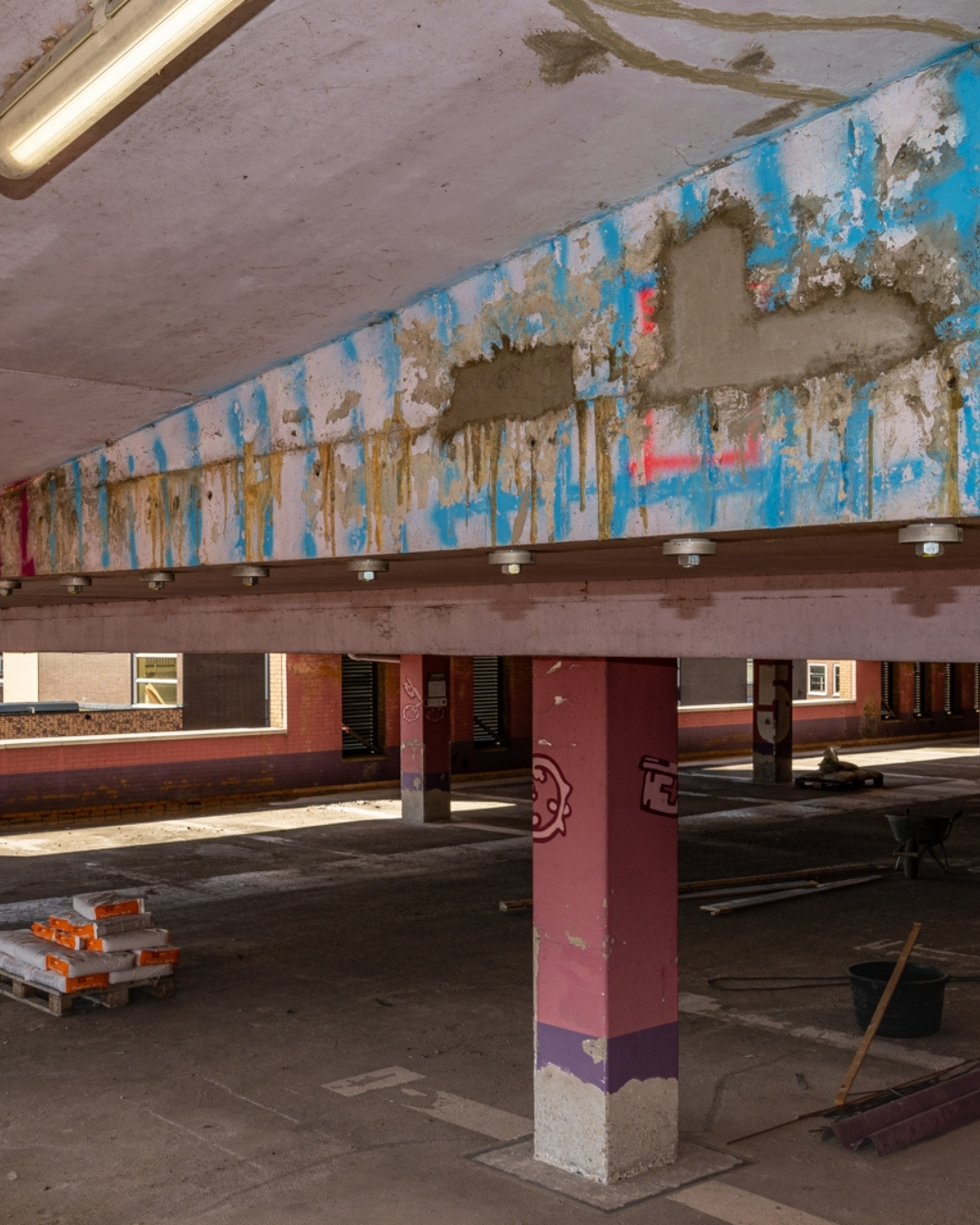
Repair work on the Haarlemmerstraat car park in Leiden
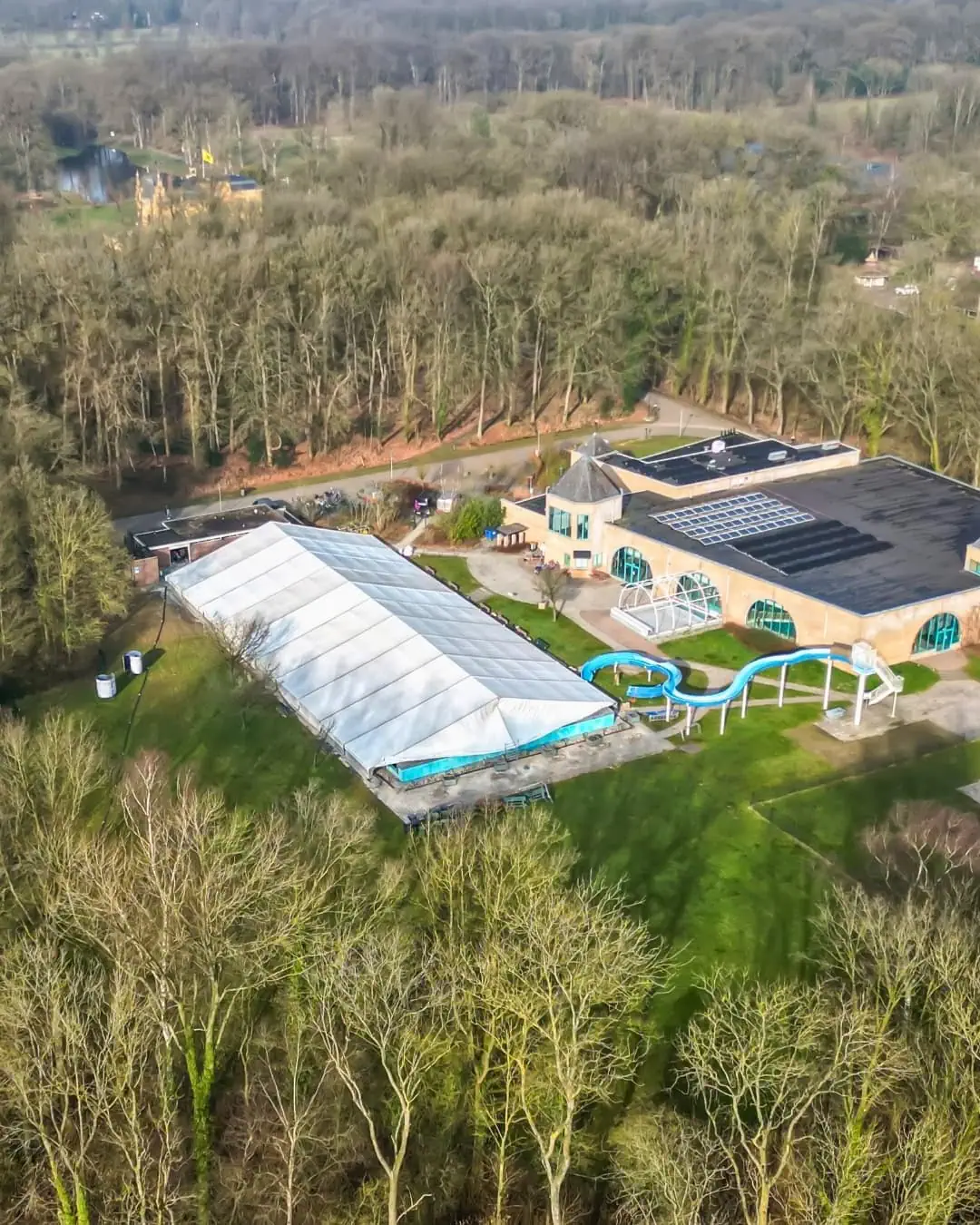
Swimming pool renovation for Zwemkasteel Nienoord
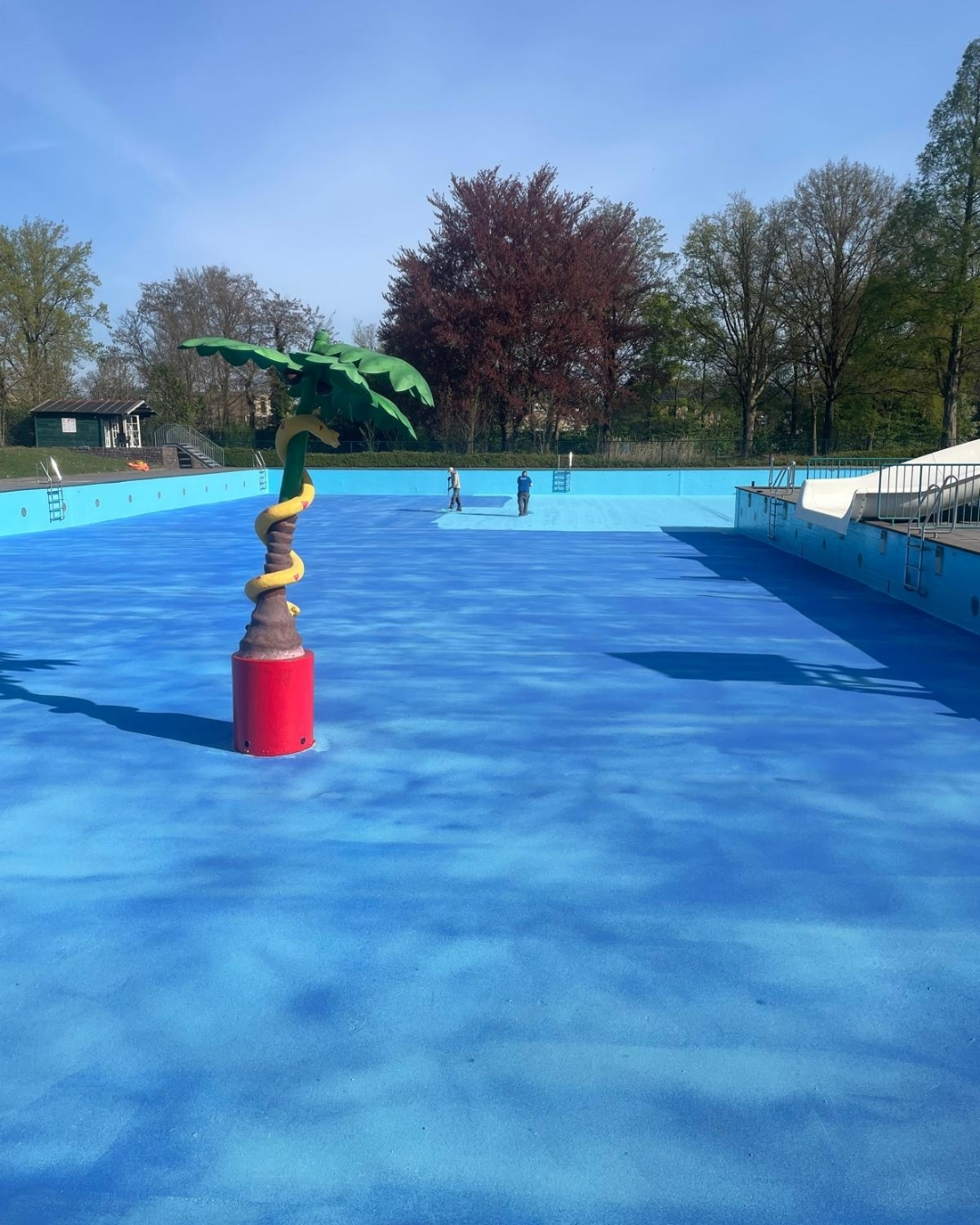
Concrete renovation of the outdoor pools at Steinerbos
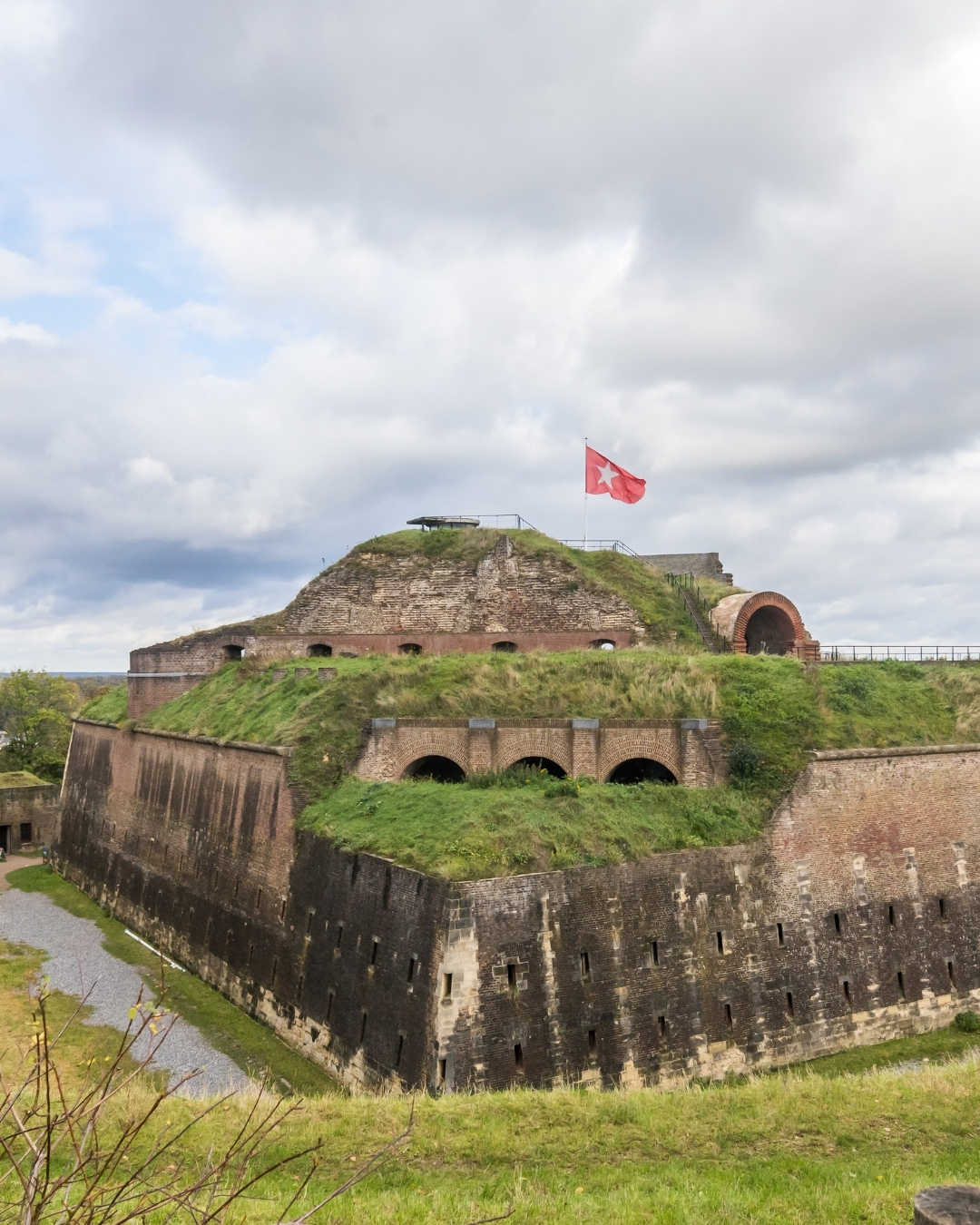
Concrete repair and waterproofing at Fort Sint Pieter, Maastricht
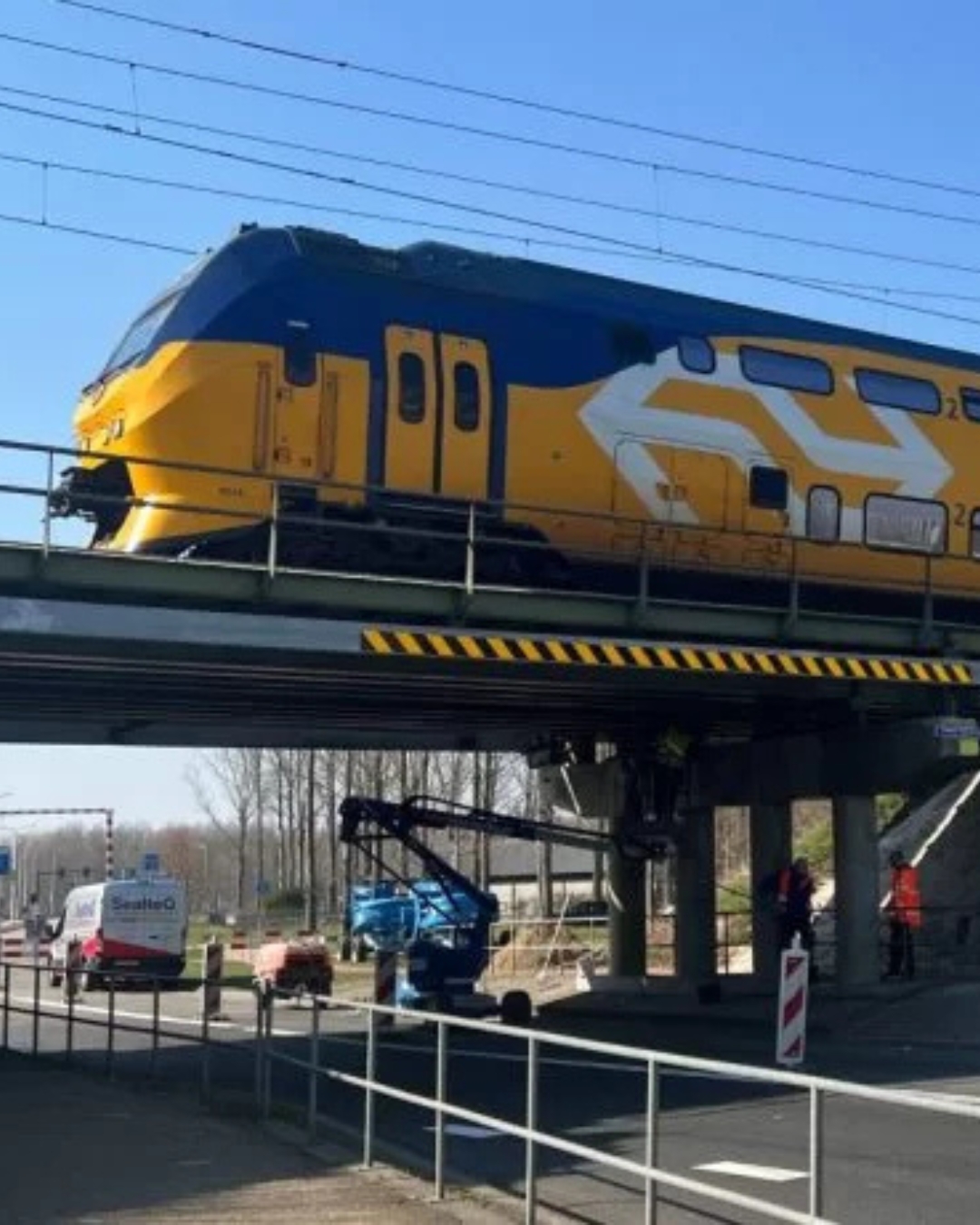
Maintenance work on the Tweede Rijksbrug Sittard
Swiper navigation right
Swiper navigation left

Concrete repair to drainage pipes on the Afsluitdijk

The discharge pipes at Kornwerderzand are an essential part of the drainage system for the IJsselmeer. Without these pipes, the Afsluitdijk would not function. The structure is almost 100 years old and was designed by Ir. Lely, an icon of Dutch hydraulic engineering.

Concrete repair to the cooling water channel at Geertruidenberg

In Geertruidenberg, Balm – part of the SealteQ Group – is working on the repair of the cooling water channel used to supply and drain cooling water to and from the cooling tower. Following the partial renovation of the cooling tower last year, it is now the turn of the concrete in the cooling water channel to undergo a sustainable repair treatment.

Major maintenance on the Juliana lock complex in Gouda

The Juliana lock complex is a group of locks, bridges and associated structures on the Gouwe and Hollandse IJssel rivers in Gouda. The complex connects important waterways and also forms a transport hub, with the N207 provincial road running over it, among other things. The Juliana lock, built between 1932 and 1936, is a listed building.

Repair work on the Haarlemmerstraat car park in Leiden

On behalf of Leiden City Council, SealteQ has been carrying out repair work on the Haarlemmerstraat car park on Middelstegracht since February. The reason for this is that, during maintenance work in mid-2025, the SealteQ team discovered structural defects. The municipality decided to close the car park immediately. Since then, SealteQ has been working closely with the municipality and its consultants to find a structural and sustainable solution.

Swimming pool renovation for Zwemkasteel Nienoord

SealteQ completely renovated the swimming pool at Zwemkasteel Nienoord and provided it with a durable, maintenance-friendly and safe finish. The project combined thorough cleaning, repairs and high-quality coatings to improve the functionality and lifespan of the swimming pool.

Concrete renovation of the outdoor pools at Steinerbos

Outdoor pools are subject to heavy wear and tear from the weather, use and the passage of time. At Steinerbos in Stein, a thorough overhaul was needed. SealteQ completely refurbished the large outdoor pool and the outdoor paddling pool.
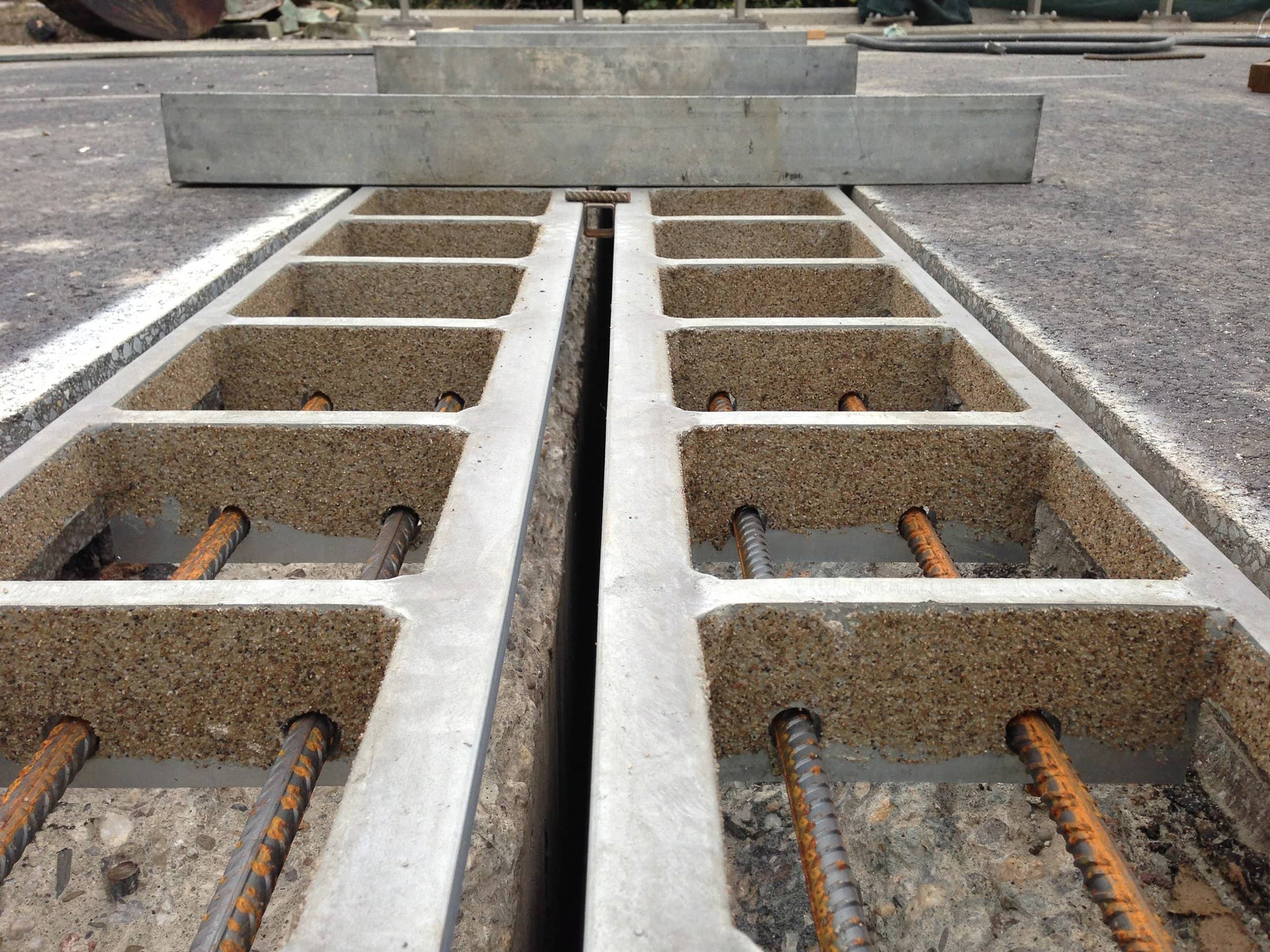
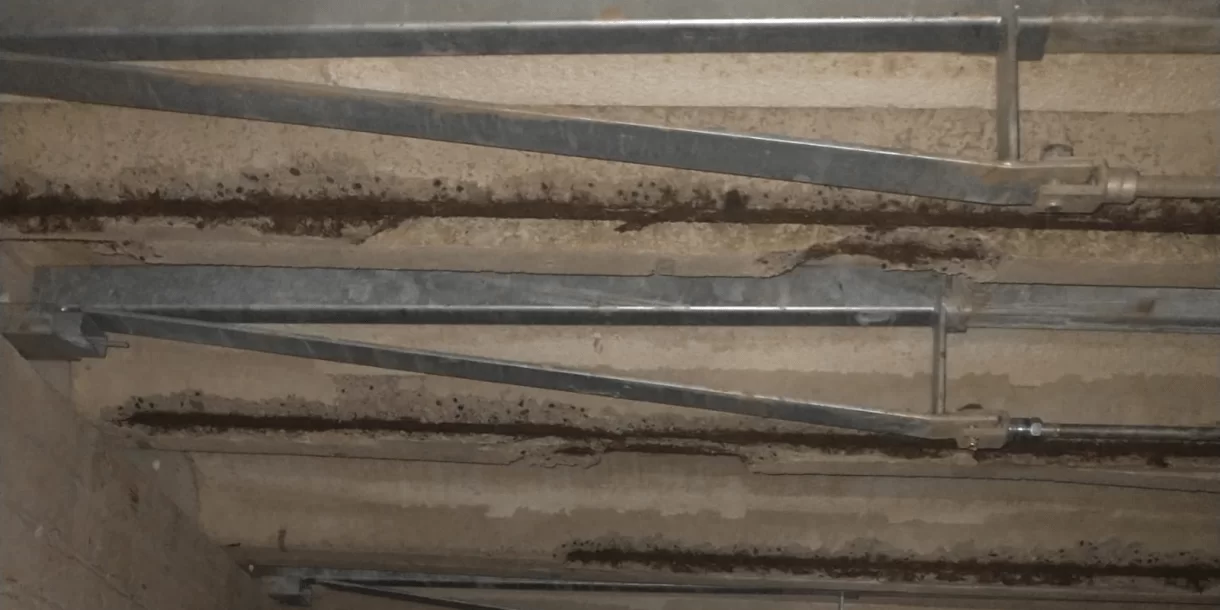
Concrete repair and waterproofing at Fort Sint Pieter, Maastricht

Fort Sint Pieter is one of Maastricht’s best-preserved fortifications. The 18th-century fort is situated on the Sint Pietersberg and offers sweeping views of the city and the surrounding countryside. The watchtower is a striking feature of this listed monument. Commissioned by Koninklijke Woudenberg Maastricht, SealteQ carried out concrete repair and waterproofing work on this historic watchtower.

Maintenance work on the Tweede Rijksbrug Sittard

The Second Rijksbrug in Sittard is a vital link in the Dutch rail network. The bridge on Doctor Nolenslaan carries daily rail traffic whilst allowing road traffic to pass underneath. It is a structure that is under constant strain and requires regular maintenance.

Curious how we can further assist you with your project?

© Copyright SealteQ 2026 Gebouwd door Saam' Marketing uit Groningen