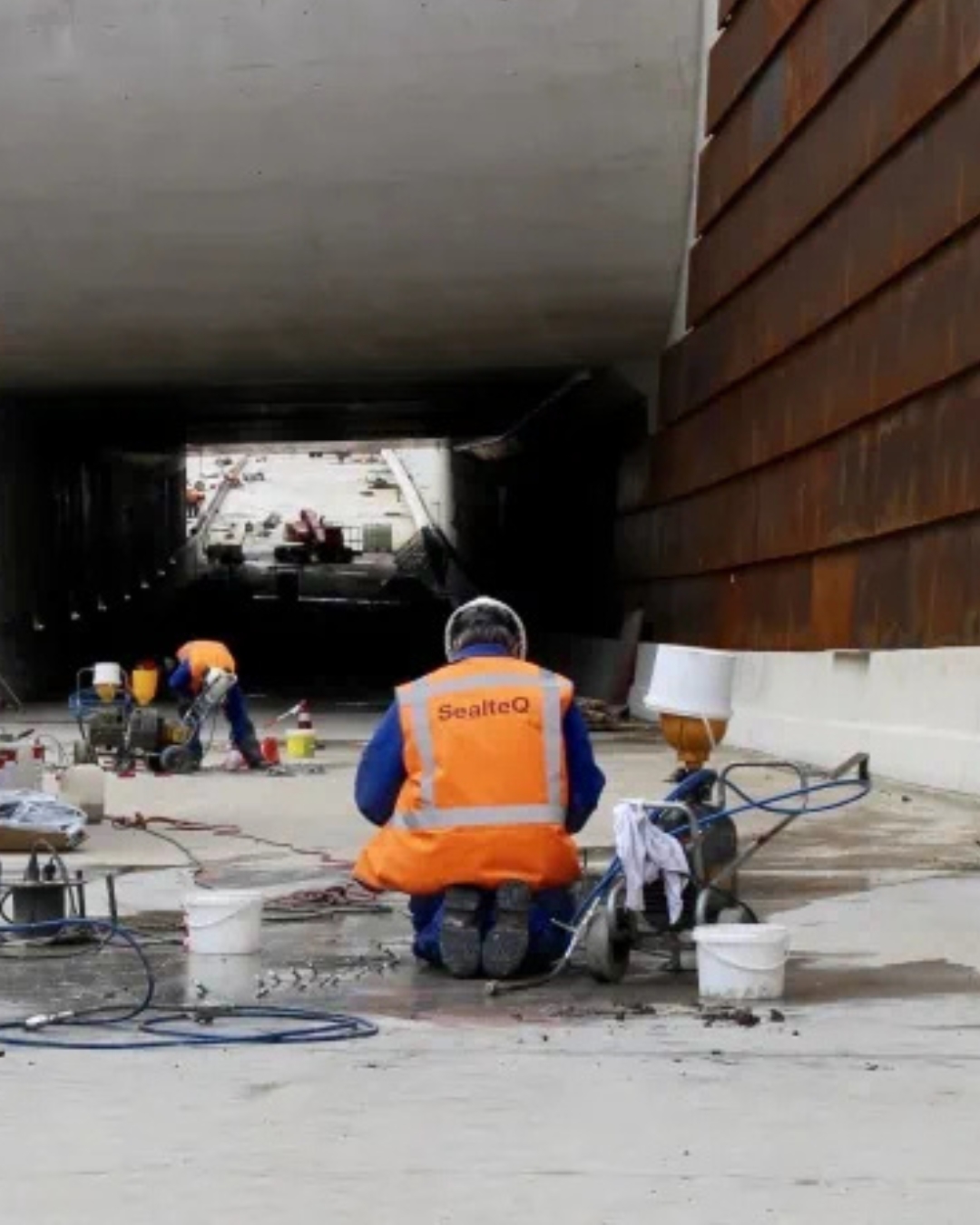
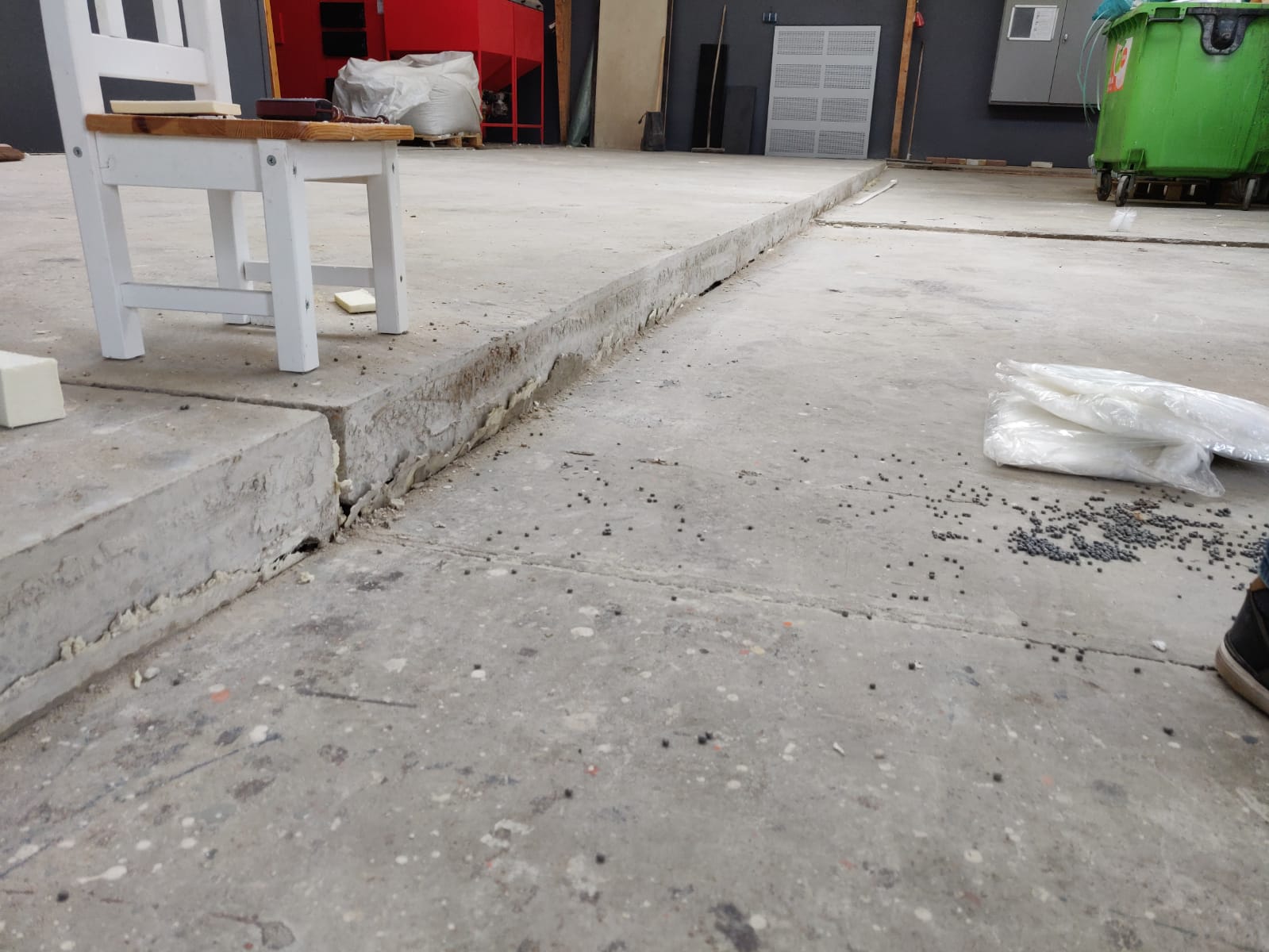
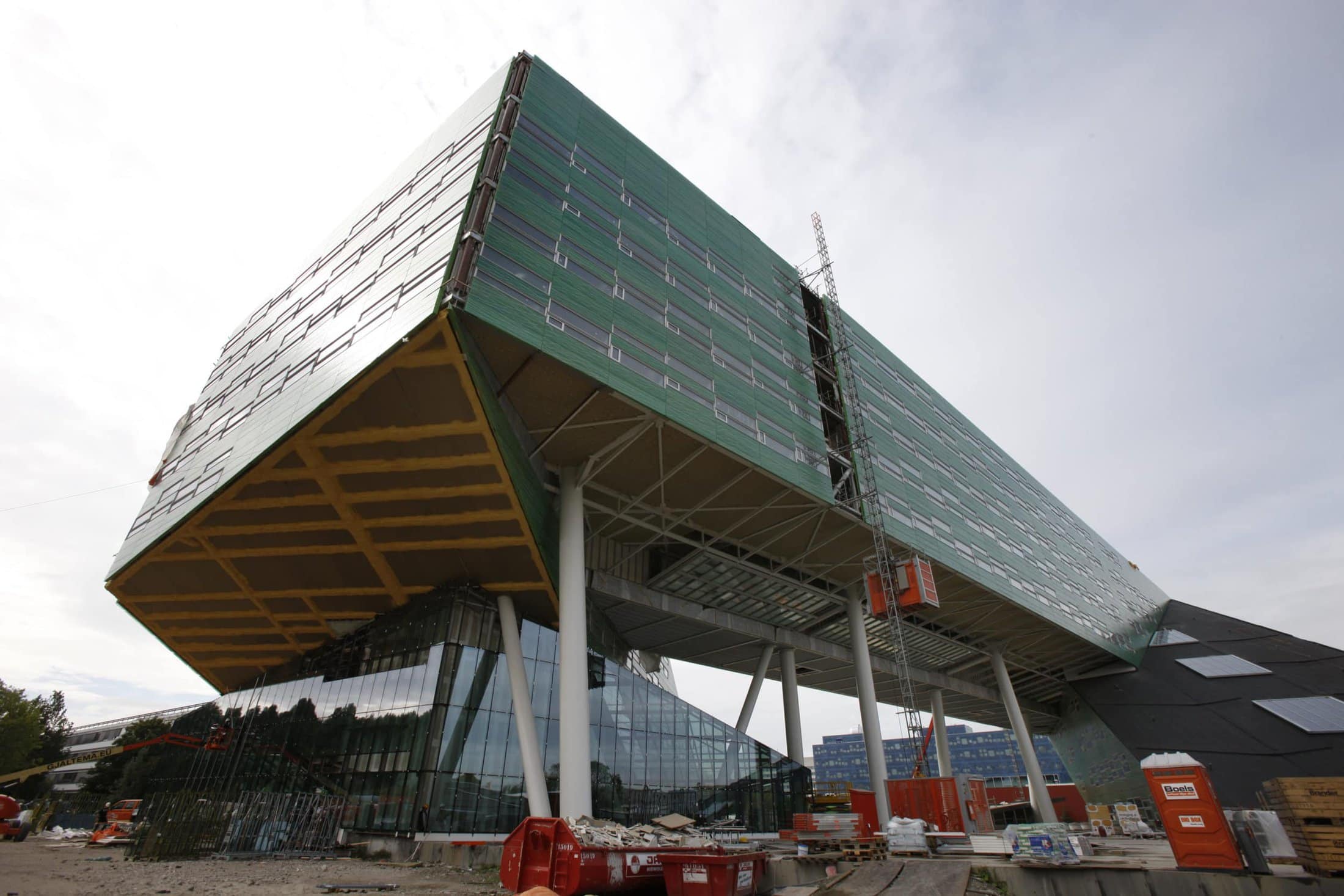
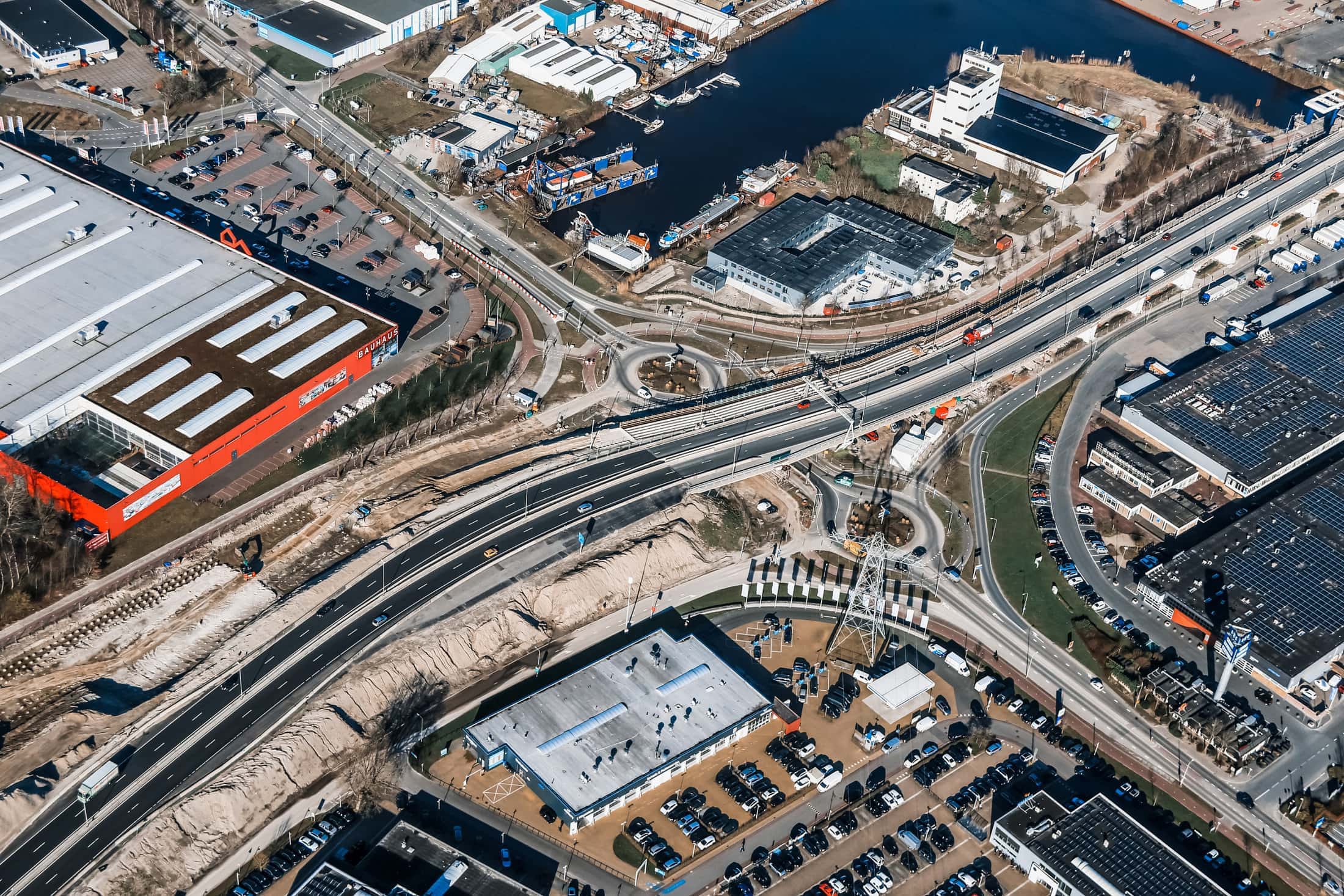
Civil engineering structures such as bridges, tunnels, viaducts, and quay walls form the backbone of the infrastructure. Asset managers—including municipalities, provinces, and water boards—face the challenge of keeping these structures safe and functional, even when materials like concrete, steel, or timber begin to show signs of damage after years of use. SealteQ carries out maintenance, repair, and reinforcement work on these structures, ranging from local bridges to large-scale infrastructure projects.


The content of this page has been translated automatically and may contain minor errors.
Civil engineering


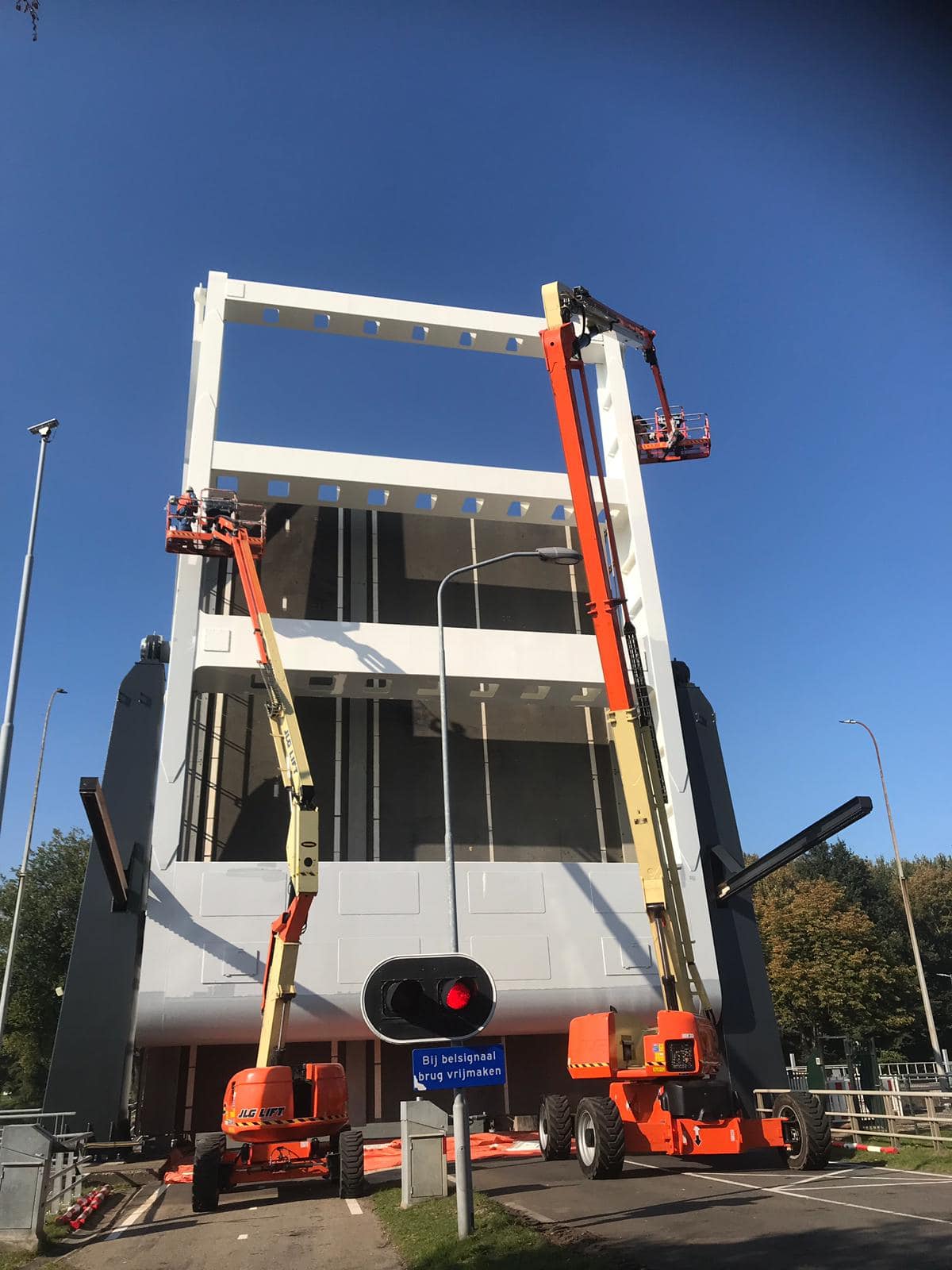


What are engineering structures, and why is maintenance important?
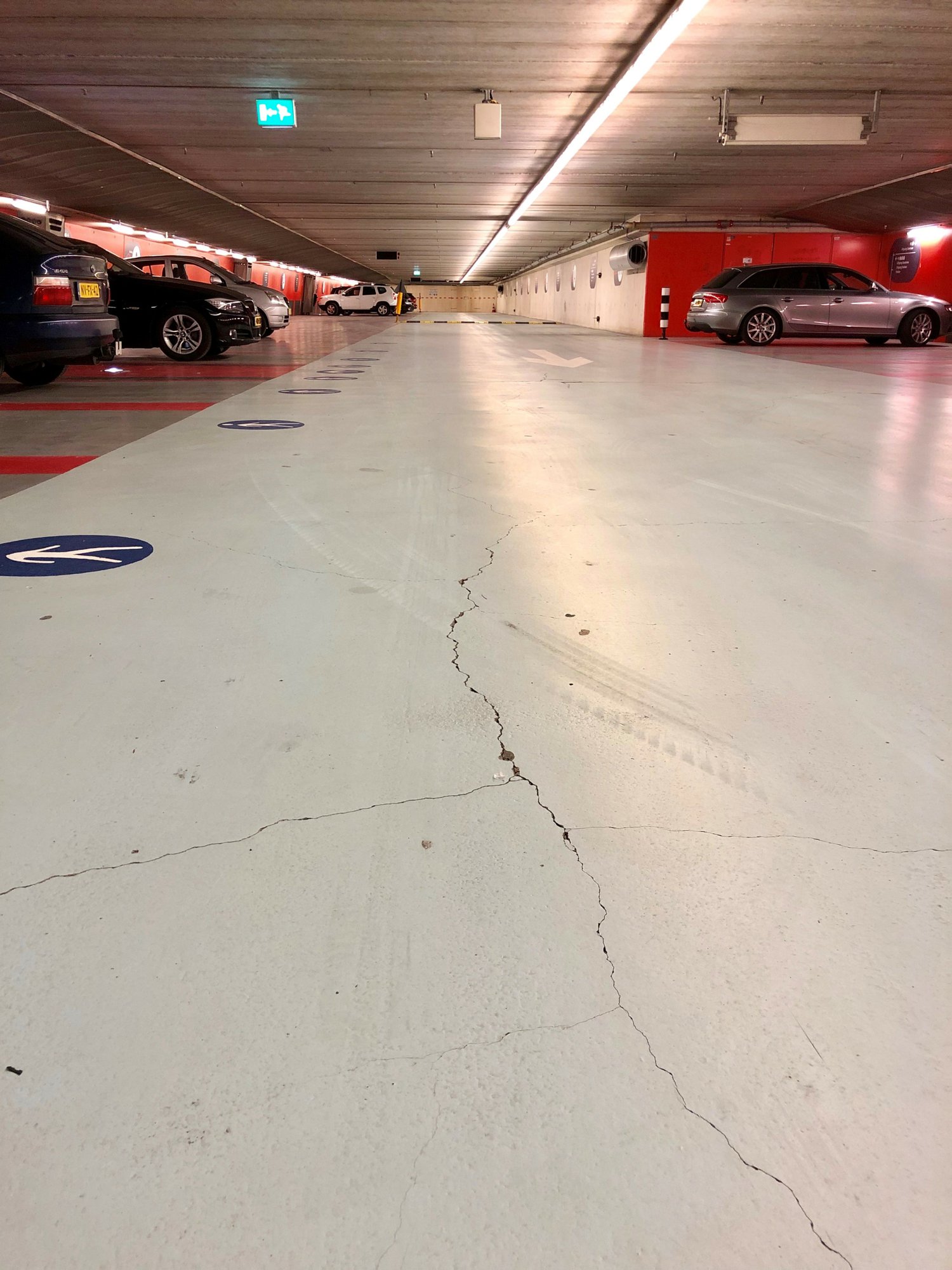
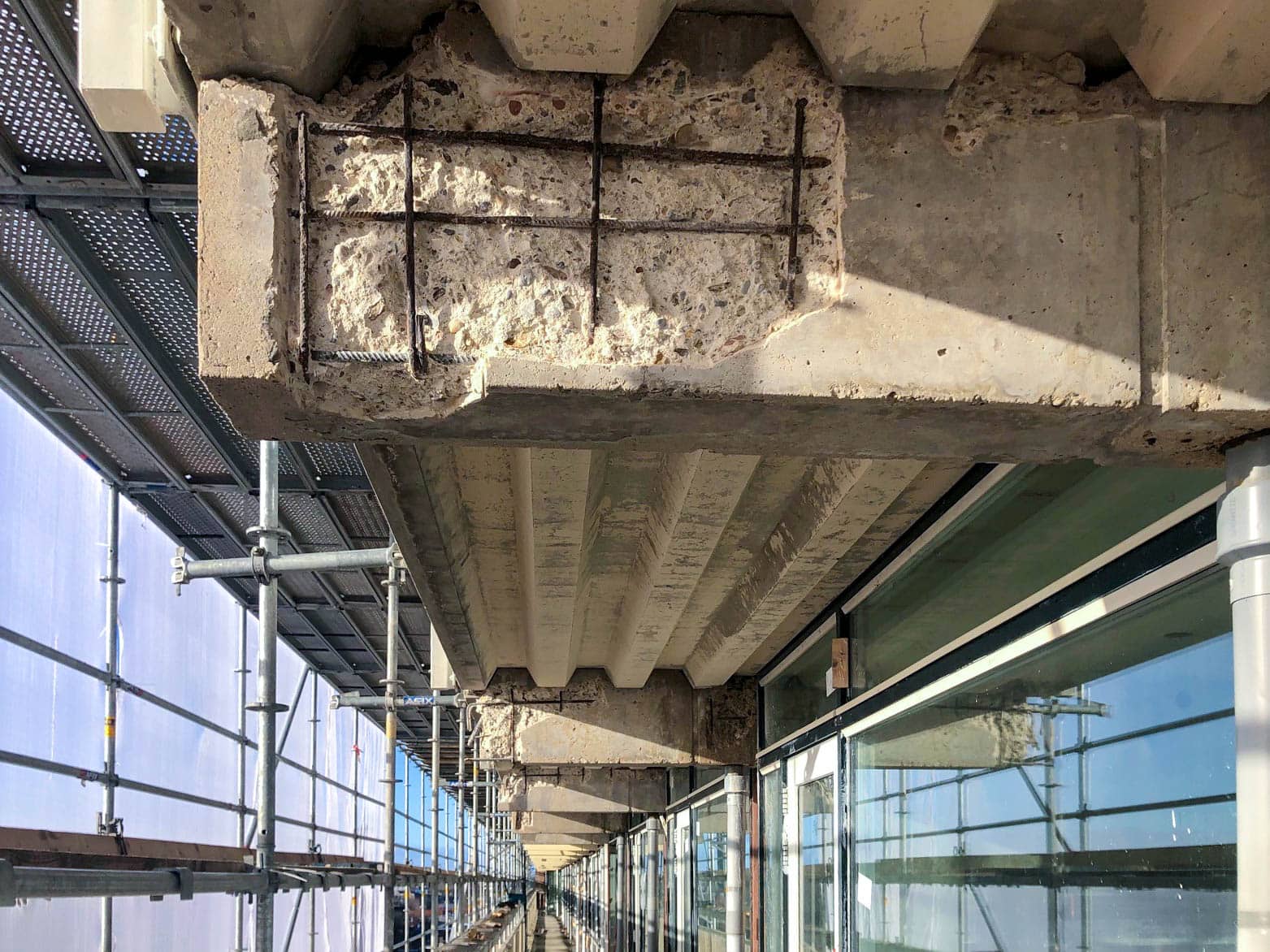
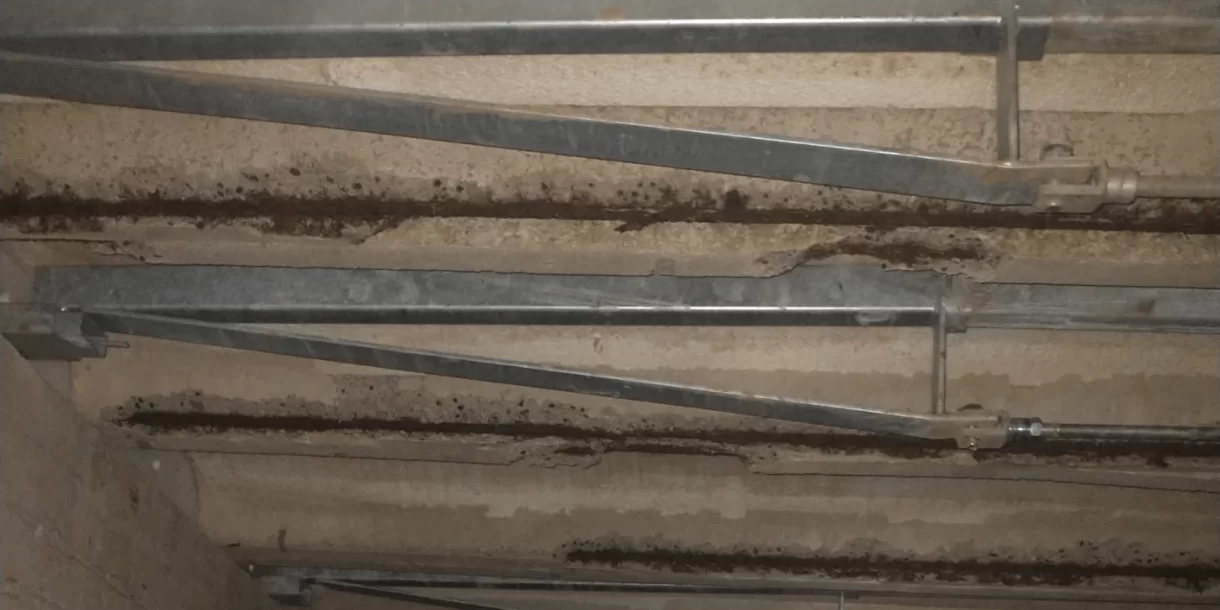
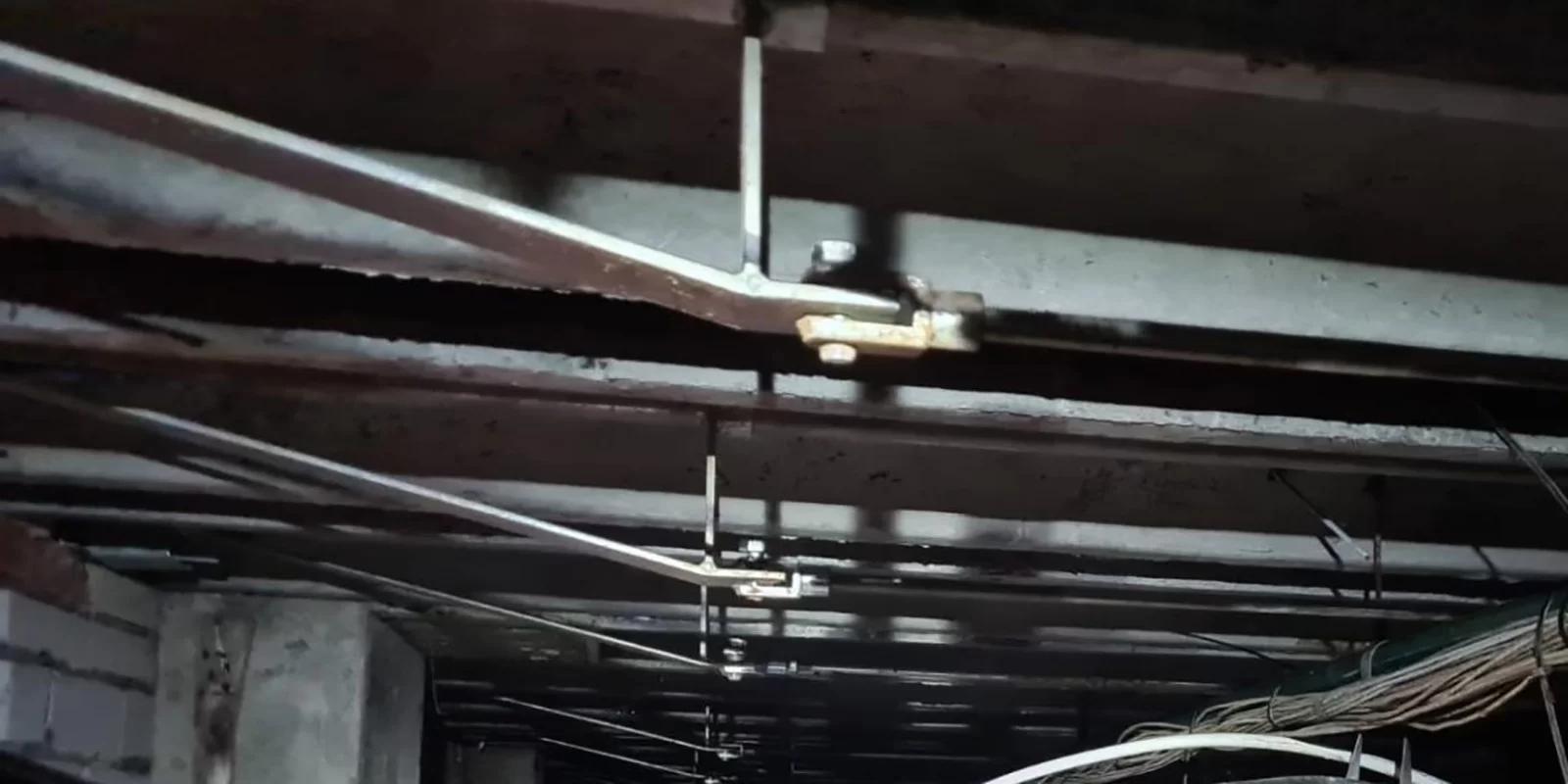
Civil engineering structures include constructions made of masonry, concrete, steel, timber, or synthetic materials that are essential for traffic, transport, and water management: bridges, tunnels, viaducts, quay walls, and sheet pile walls. Over time, intensive use, weather conditions, and aging lead to damage such as concrete deterioration, reinforcement corrosion, and wear of the road surface.
Unaddressed damage to a structure can compromise structural safety and ultimately leads to higher costs than timely maintenance. Asset managers therefore schedule periodic inspections and, based on these, draw up a maintenance or replacement program.
Projects
What work does SealteQ carry out on civil engineering structures?
Protecting and preserving artworks requires a combination of areas of expertise, depending on the material and the nature of the damage.
Concrete repair and reinforcement
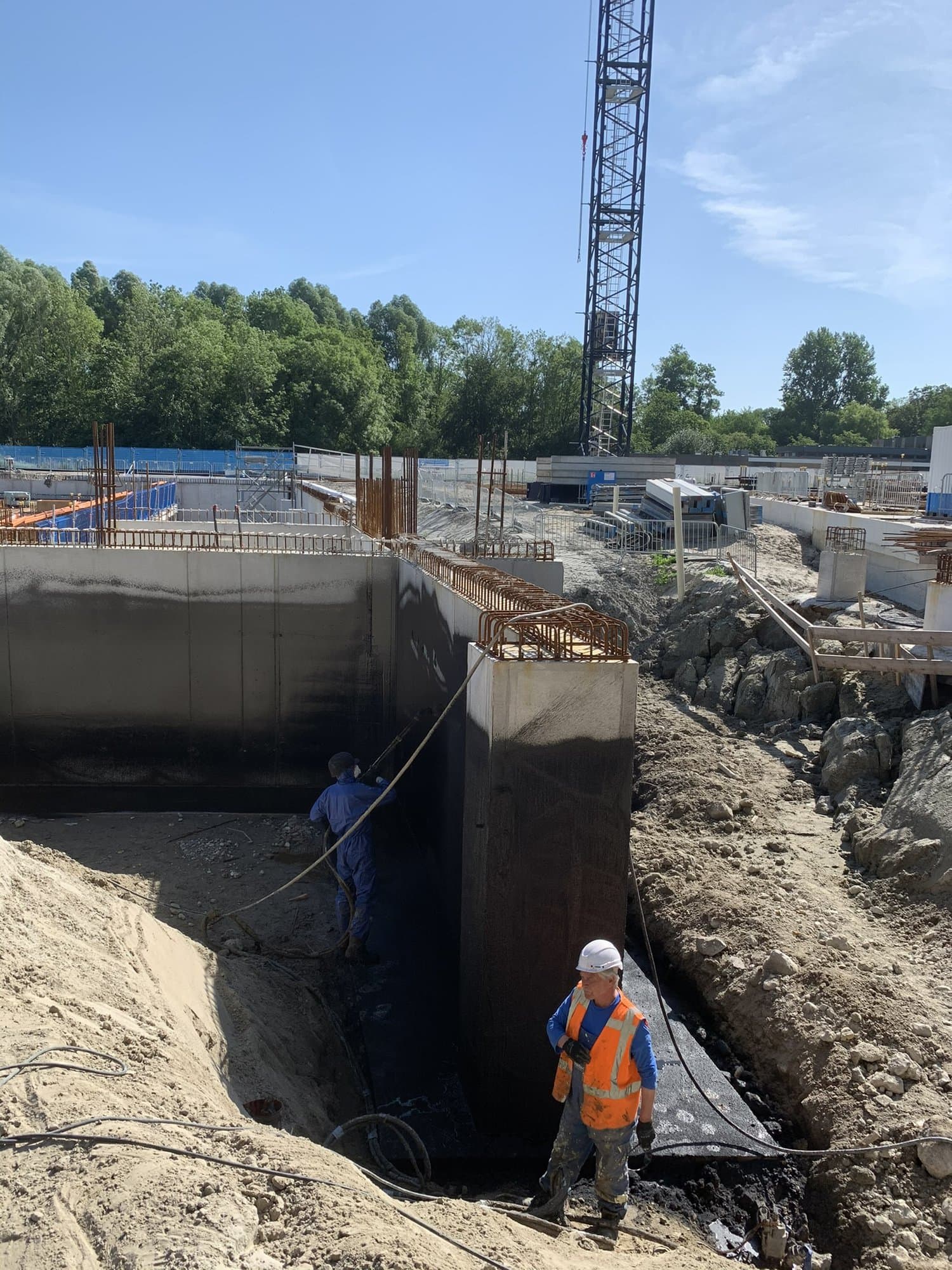
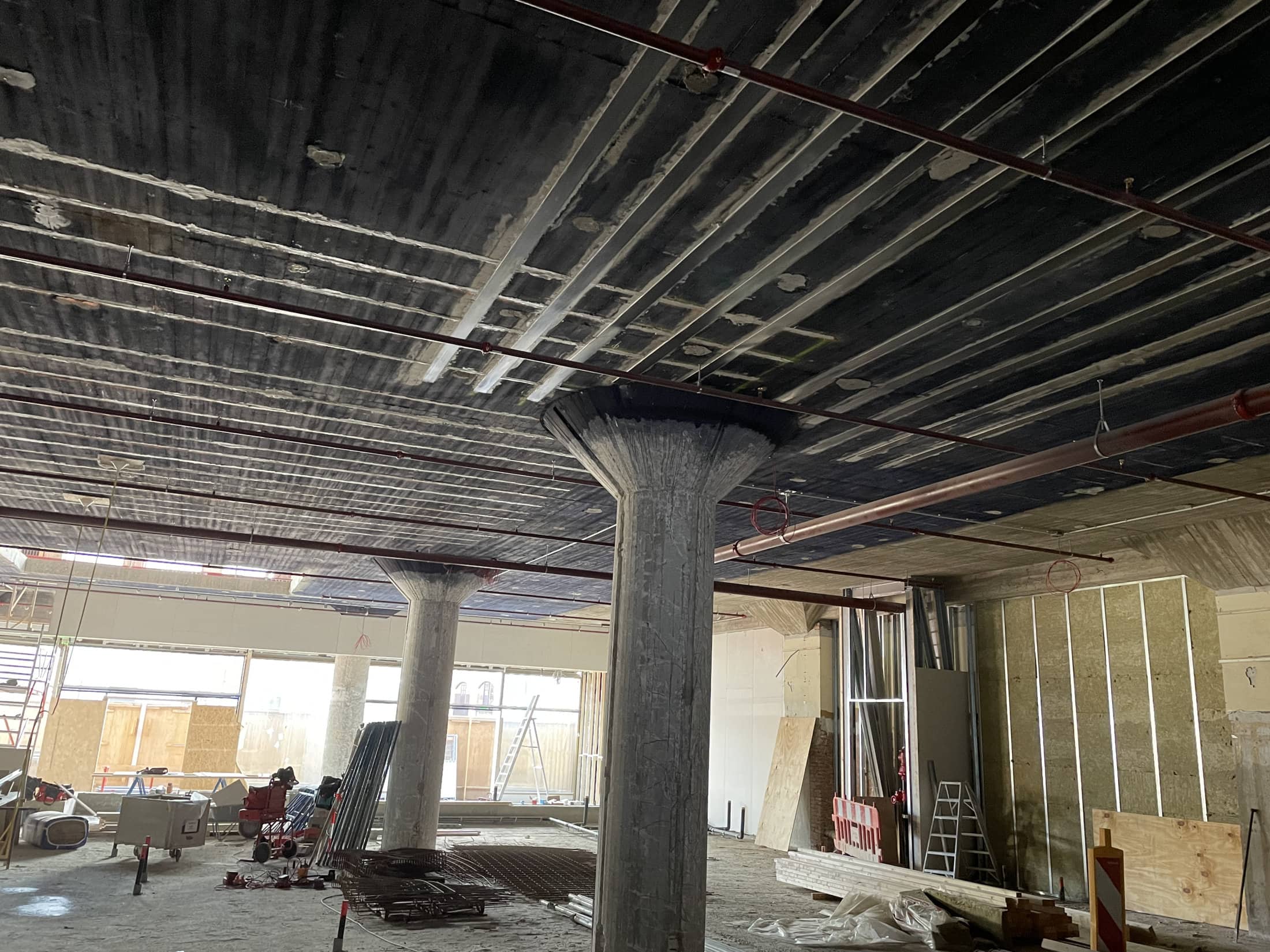
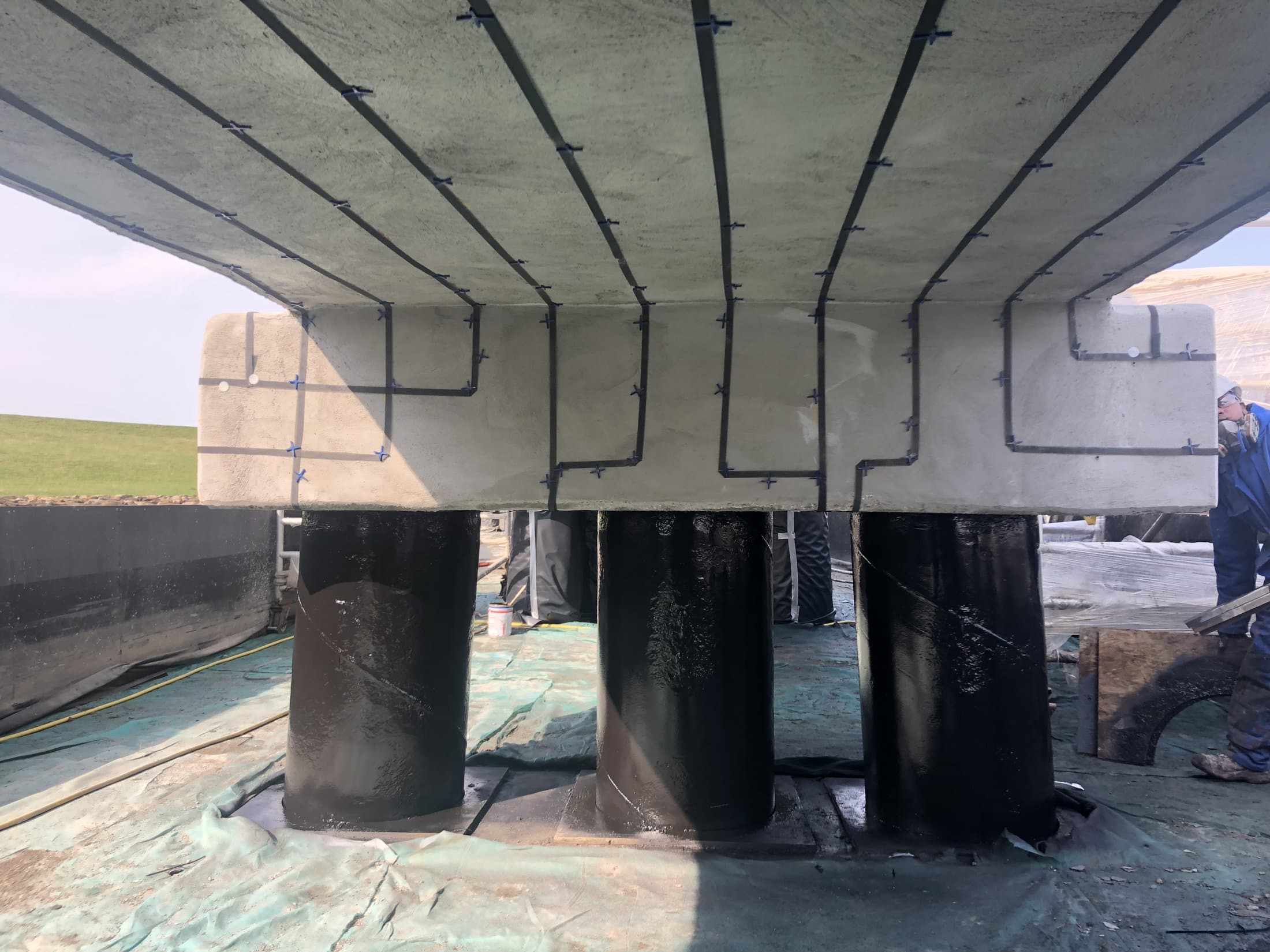
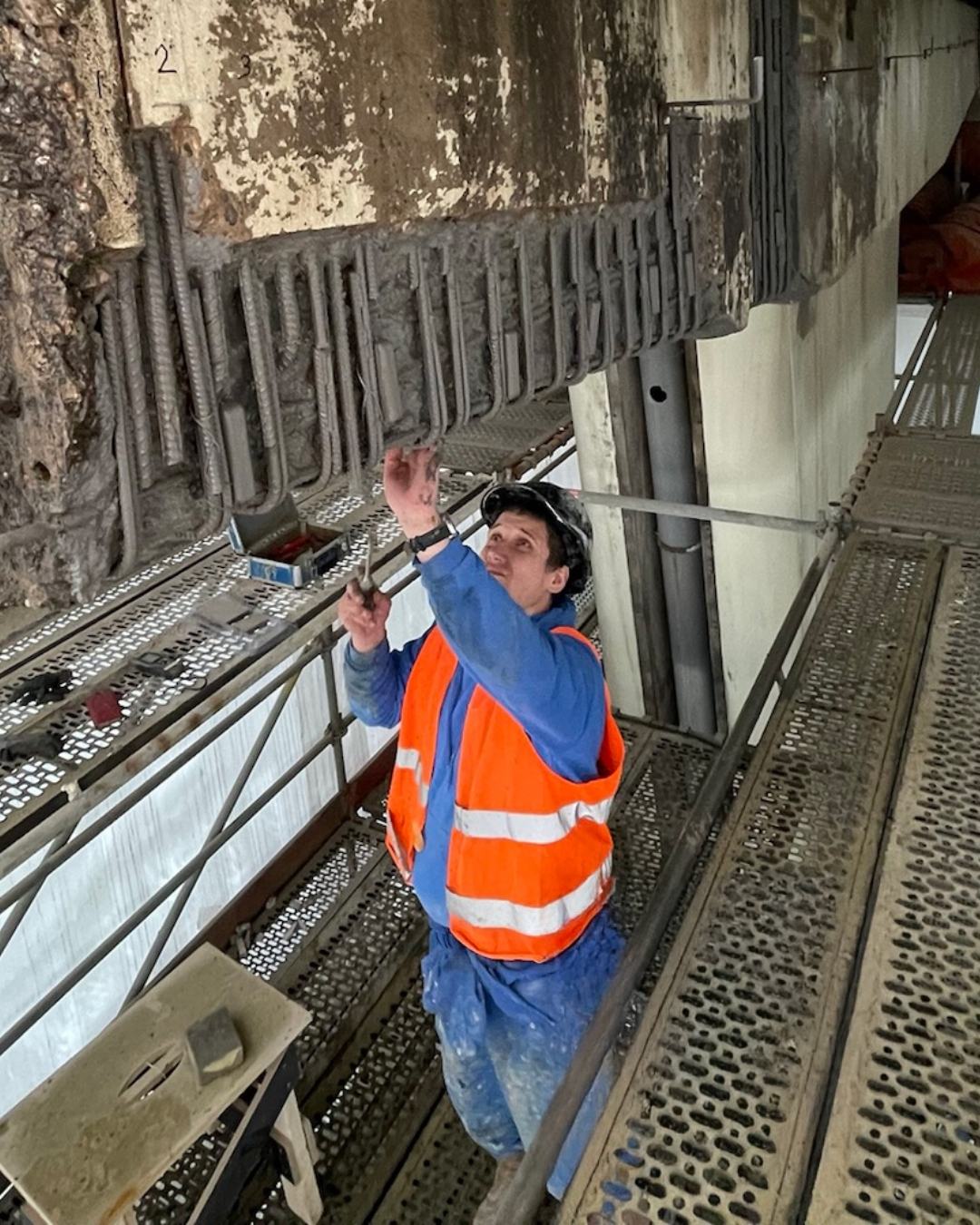
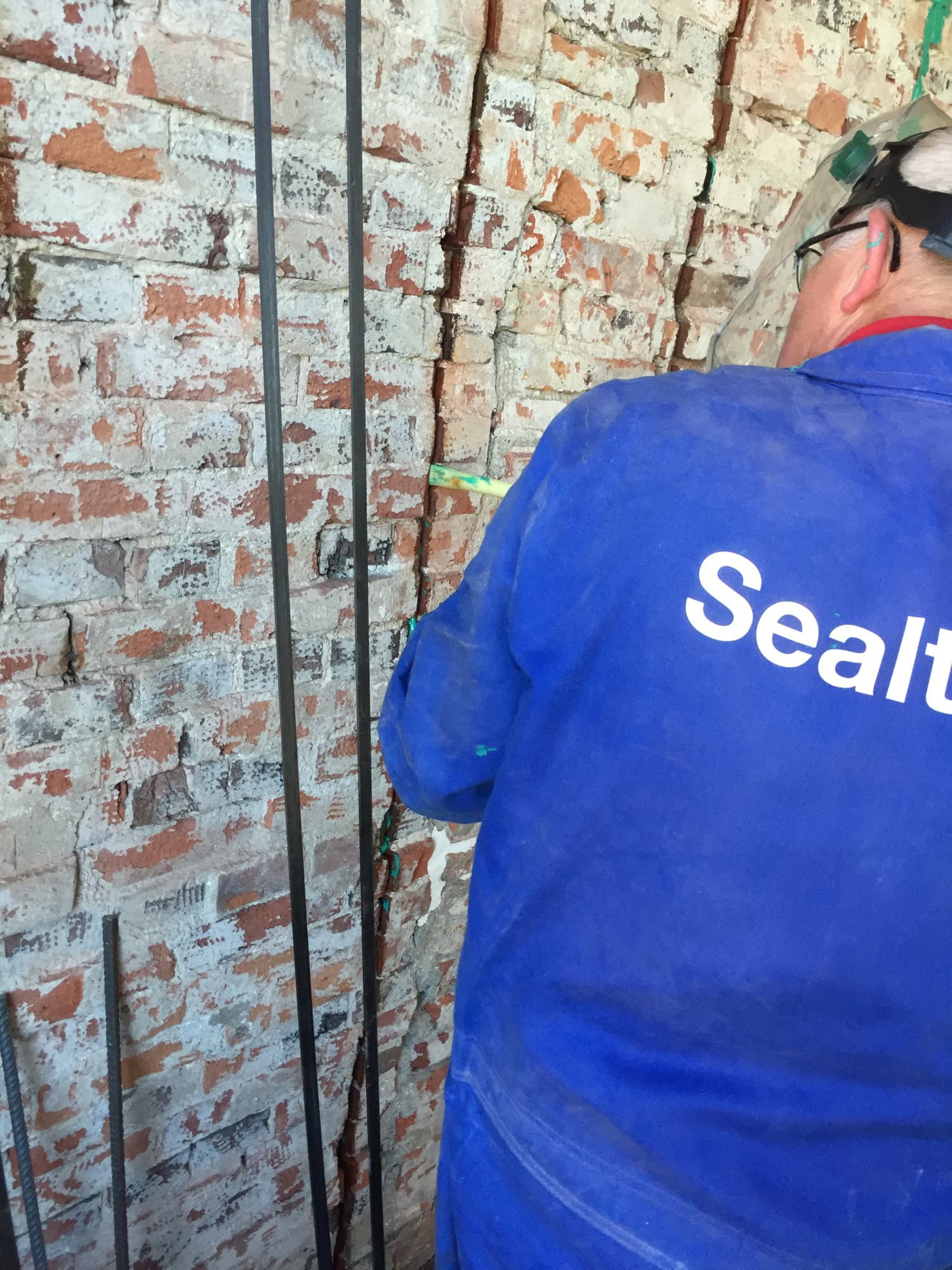
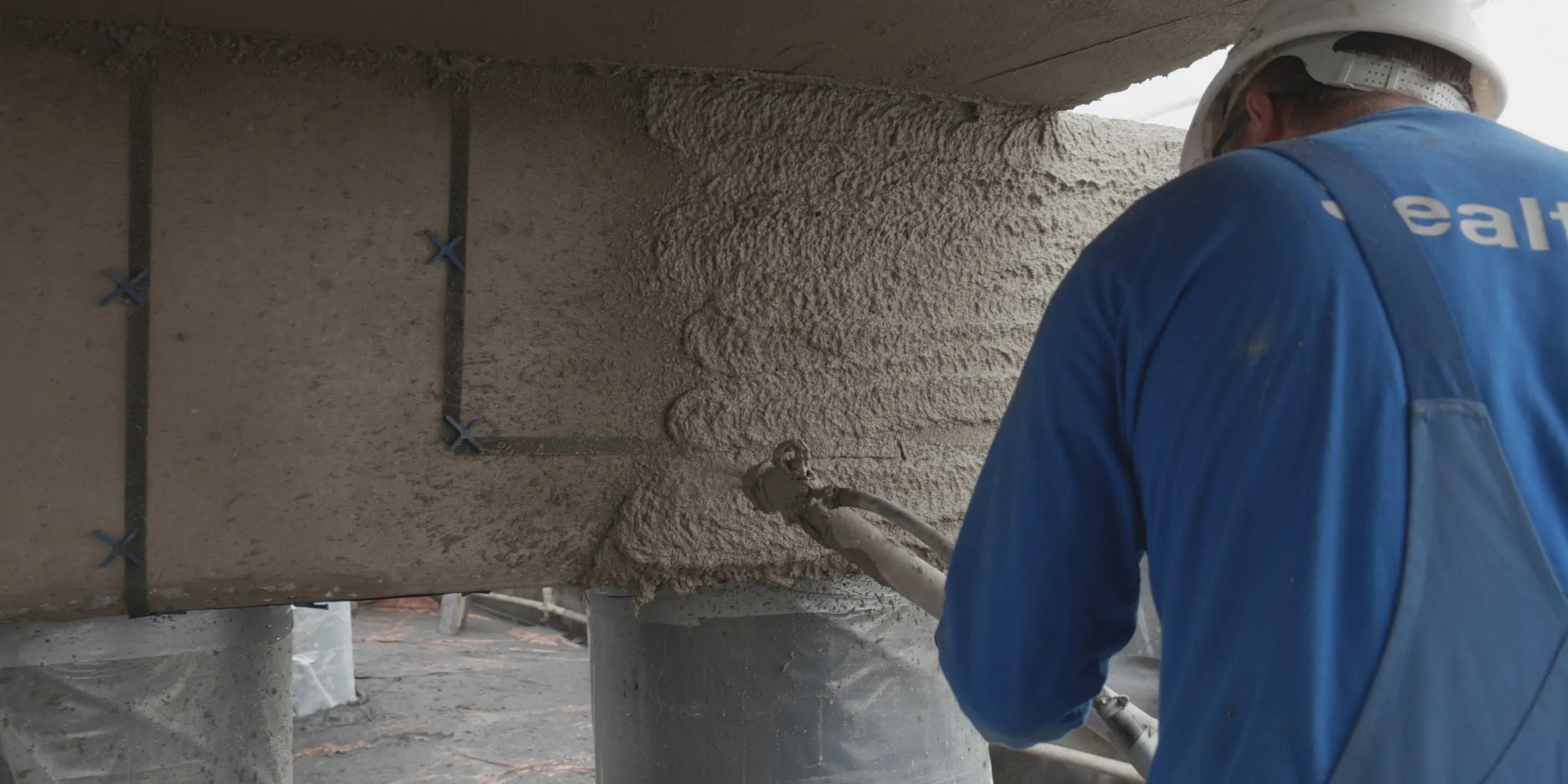
For damage to the concrete of bridges, tunnels, and quay walls, we carry out concrete repairs in accordance with BRL 3201. Where the structure requires additional load-bearing capacity, we employ strengthening techniques such as bonded carbon reinforcement and the application of reinforced shotcrete.
Wearing courses and protective layers
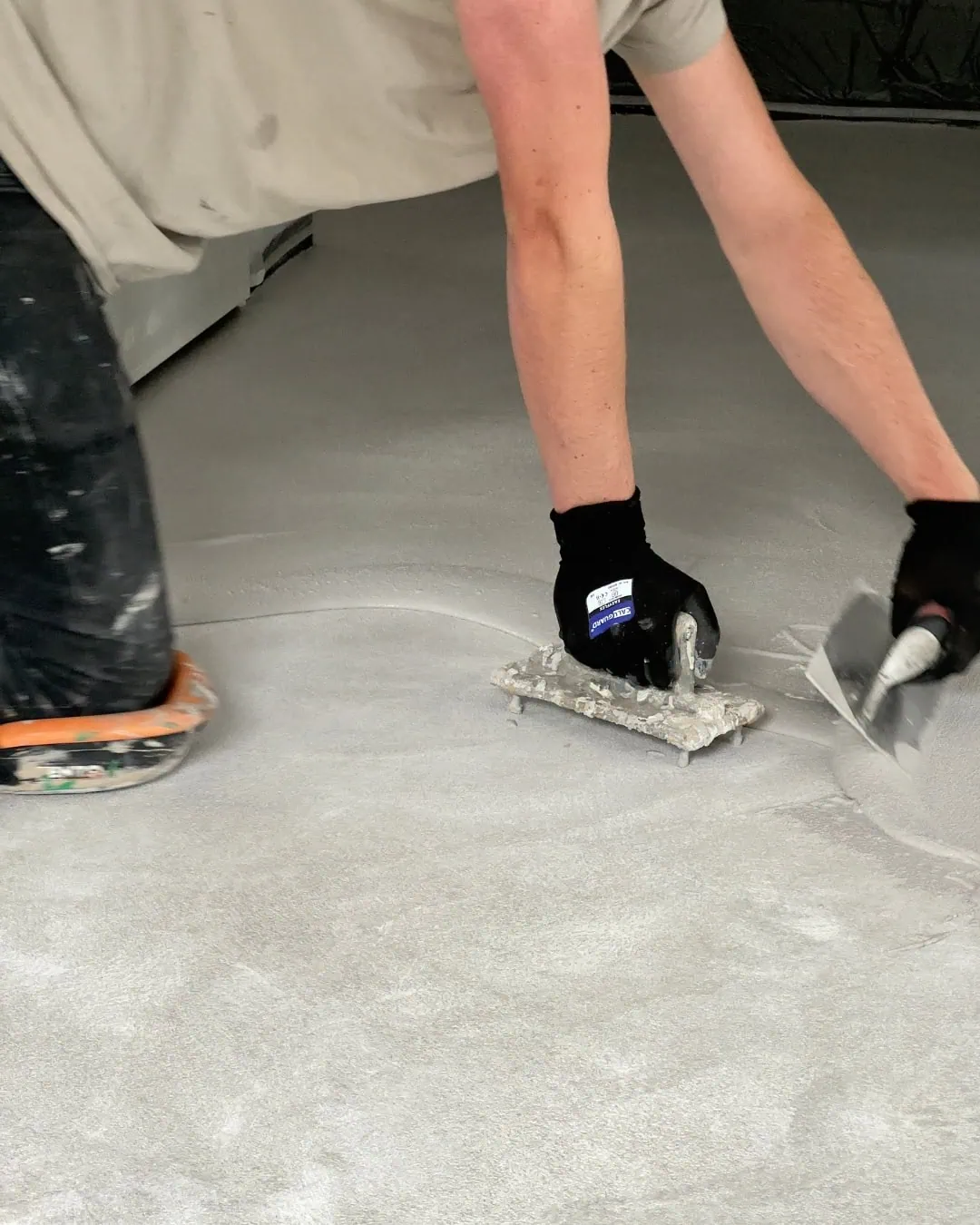
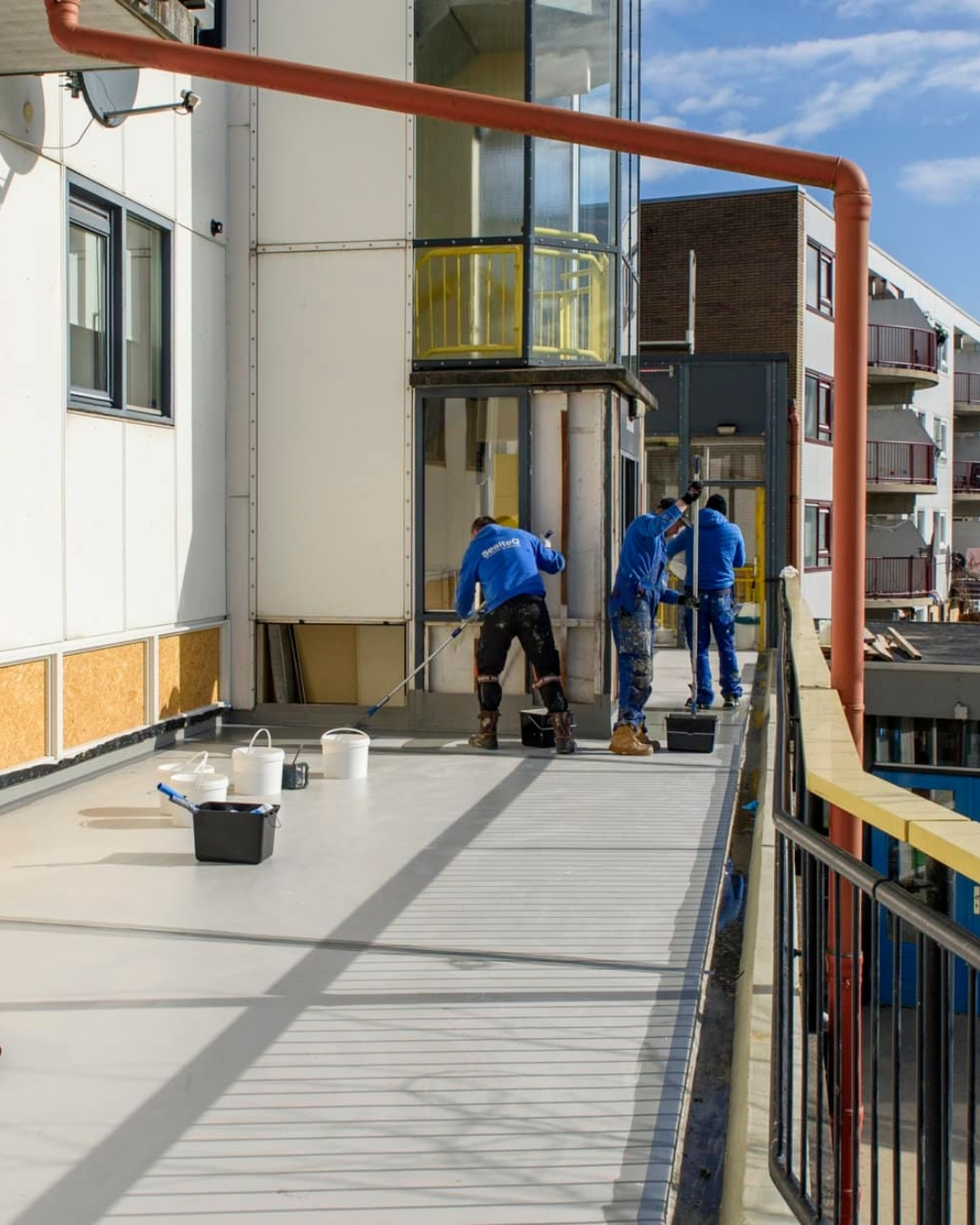
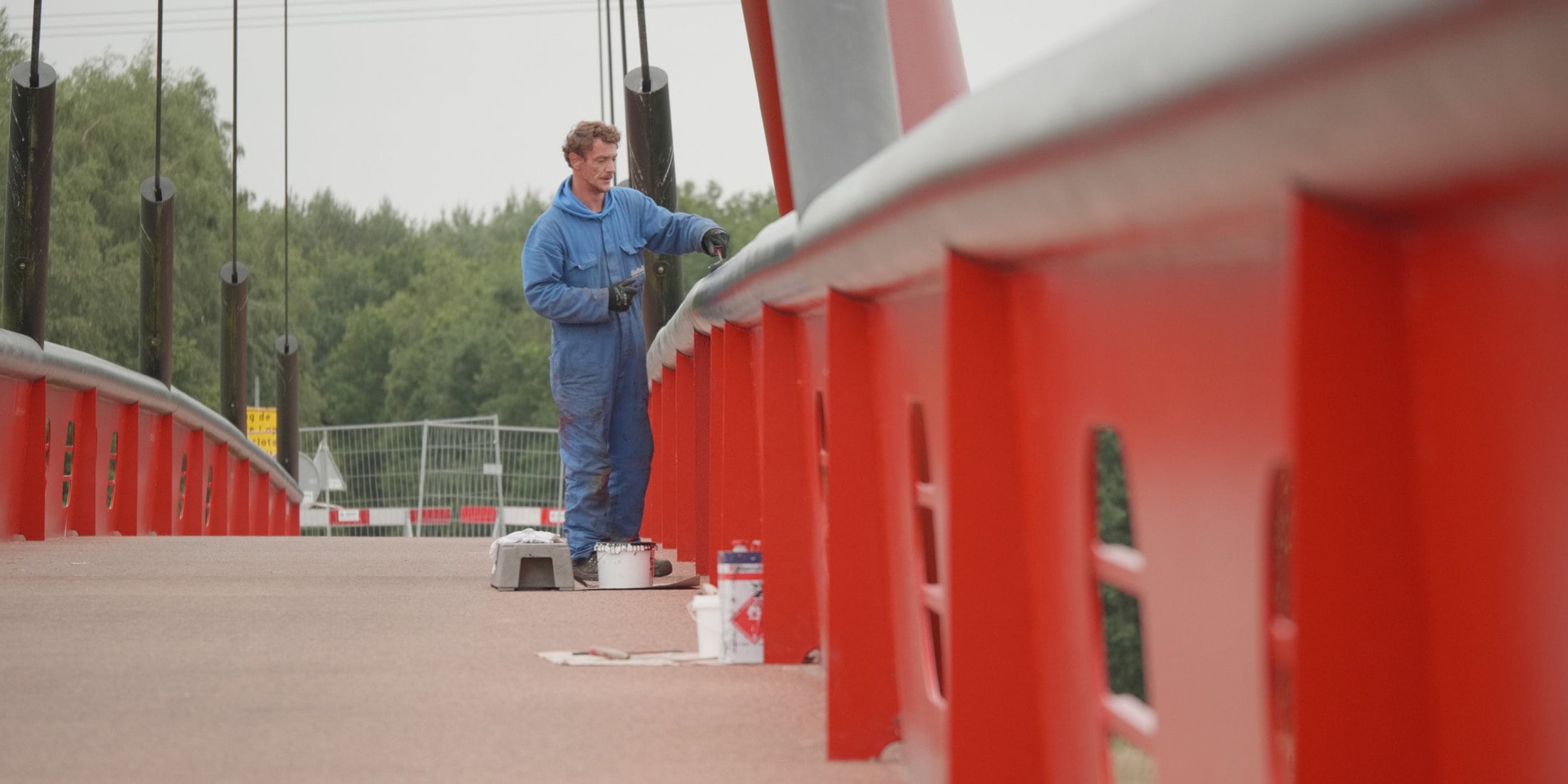
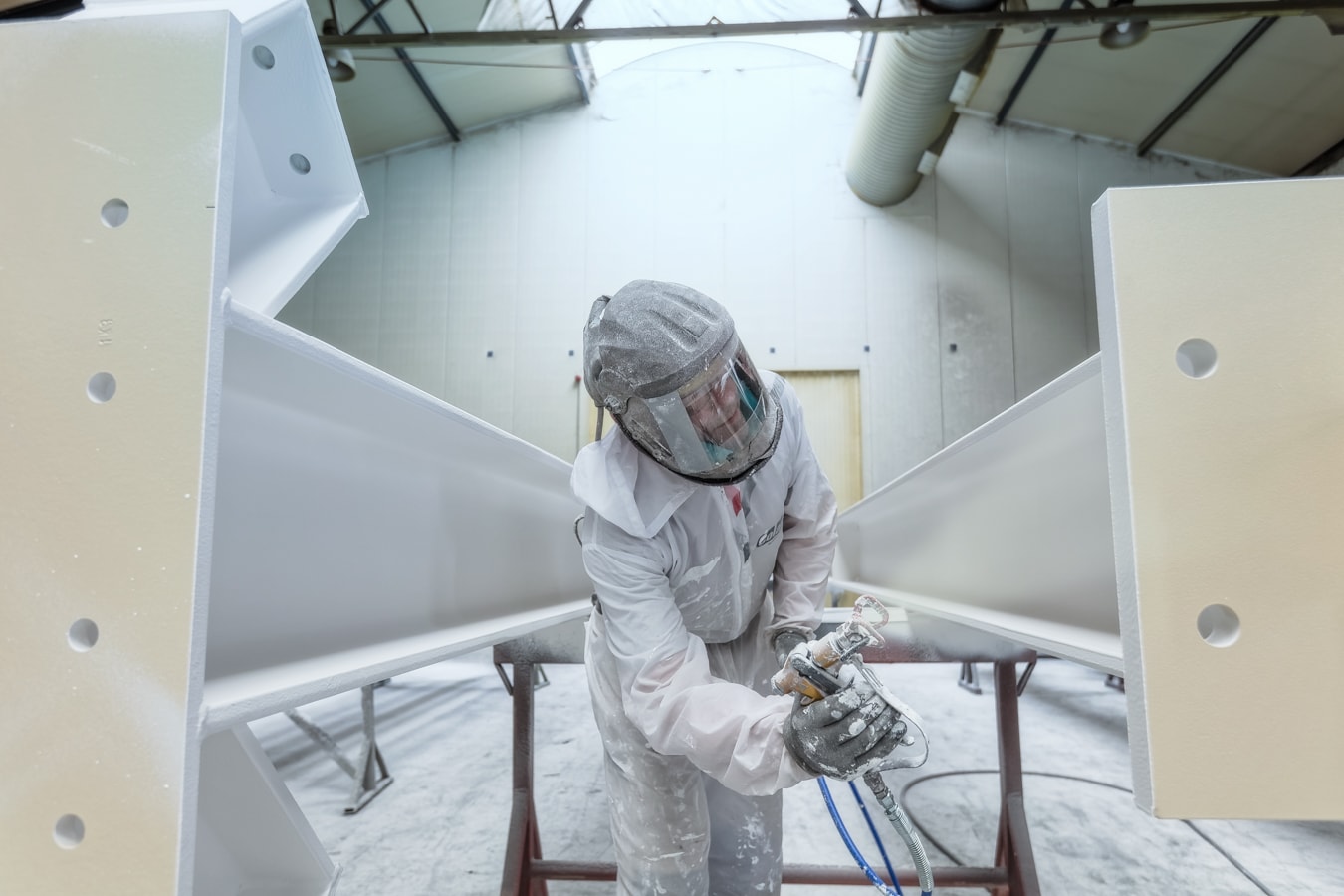
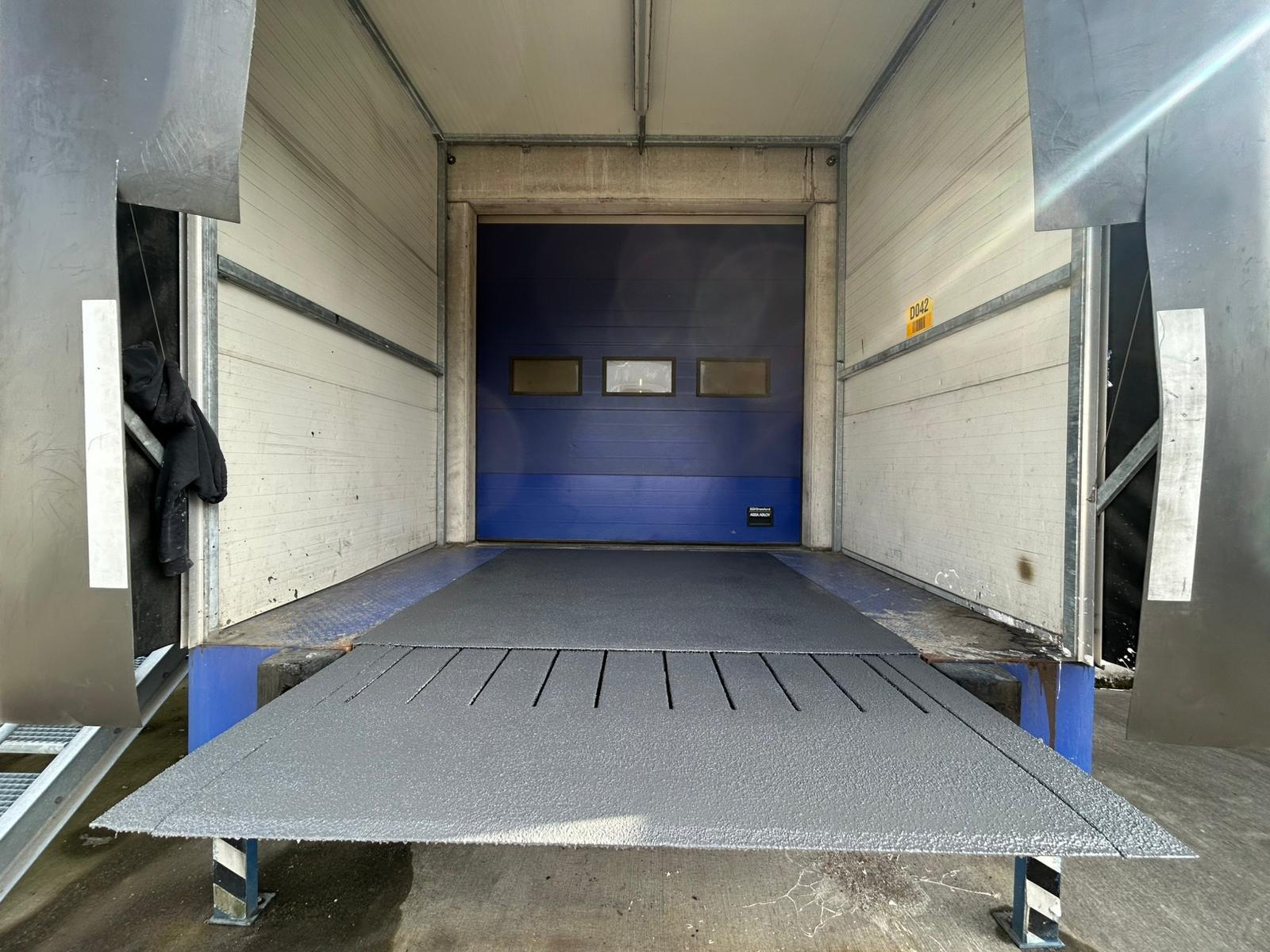
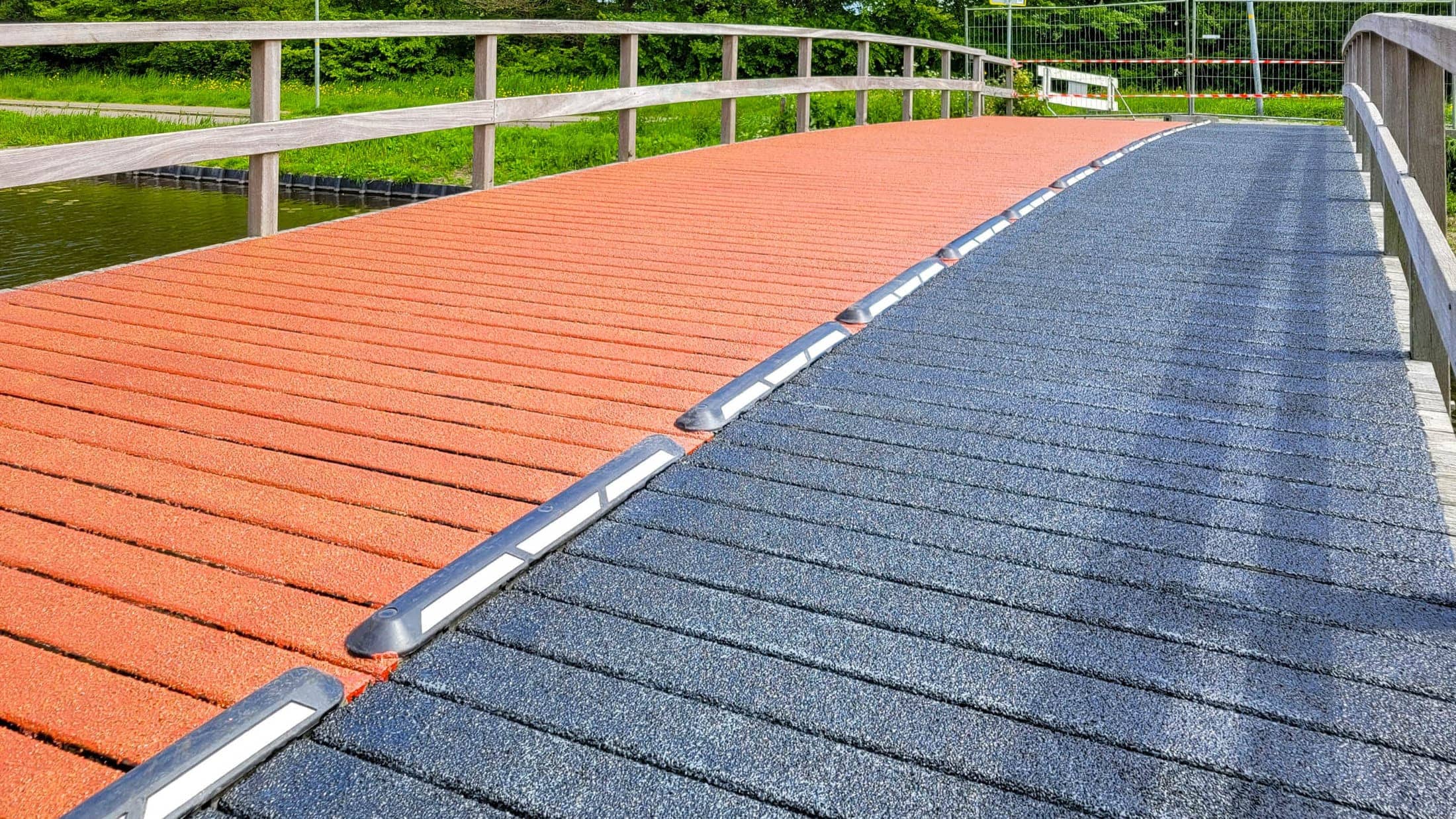
Bridge decks and road surfaces on structures are exposed to heavy traffic and weather conditions. We apply new wearing courses and protective layers—on both concrete and steel—to extend service life and ensure traffic safety.
Cathodic protection
We are increasingly employing cathodic protection (CP) to extend the service life of concrete structures in a sustainable manner. This technique inhibits reinforcement corrosion and postpones the need to replace the structure.
For whom does SealteQ carry out work on civil engineering structures?
SealteQ works on civil engineering structures commissioned by municipalities, provinces, water boards, Rijkswaterstaat, and contractors in the infrastructure sector.
Execution in accordance with strict standards
Work on civil engineering structures often takes place in public, high-traffic environments. This requires a structured and certified approach.
Certification and process control
We work in accordance with BRL 3201 and the European standard NEN-EN 1504 for the protection and repair of concrete structures. Every step, from damage analysis to execution, is carried out by certified specialists.
Working in vulnerable environments
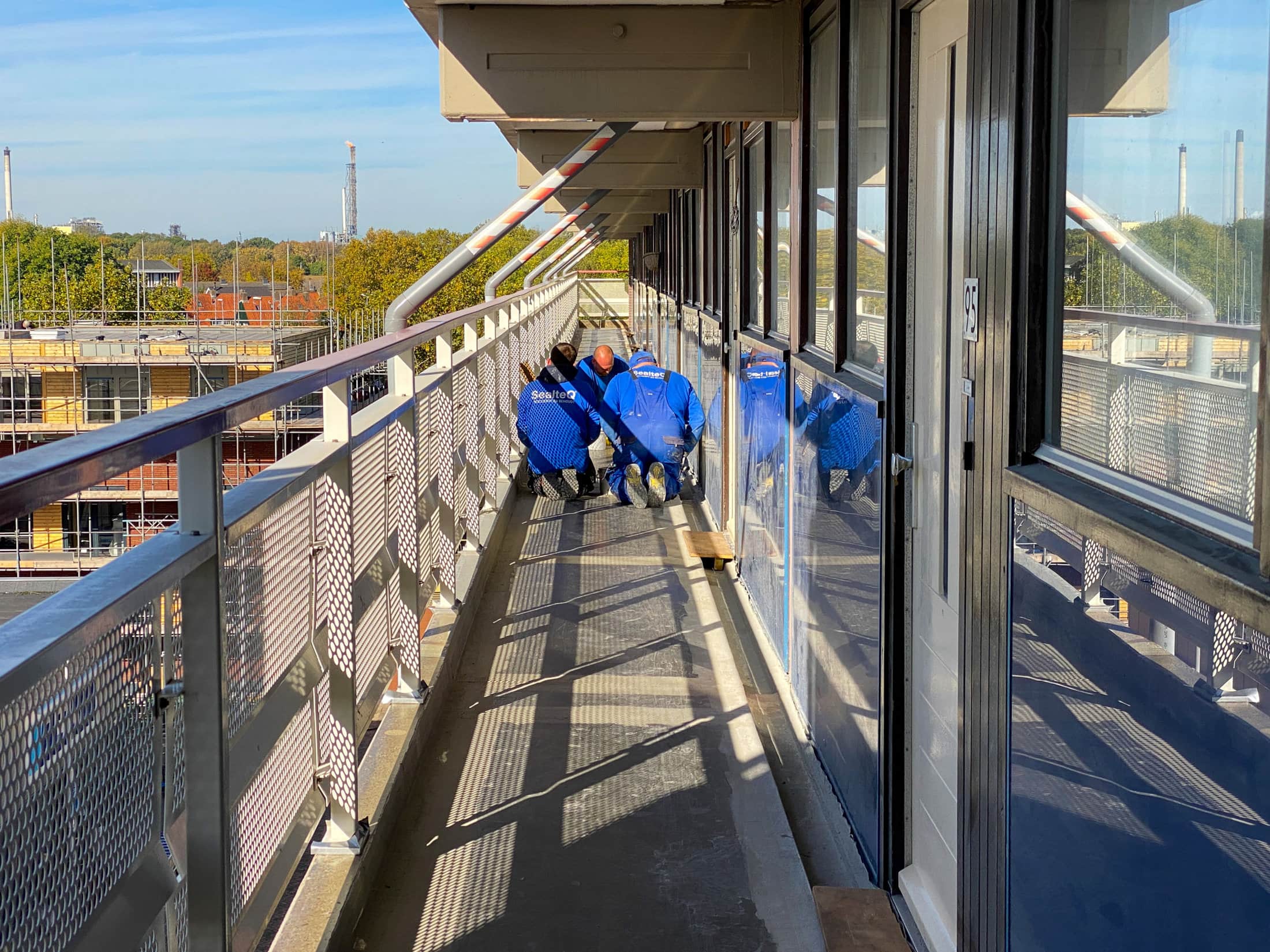
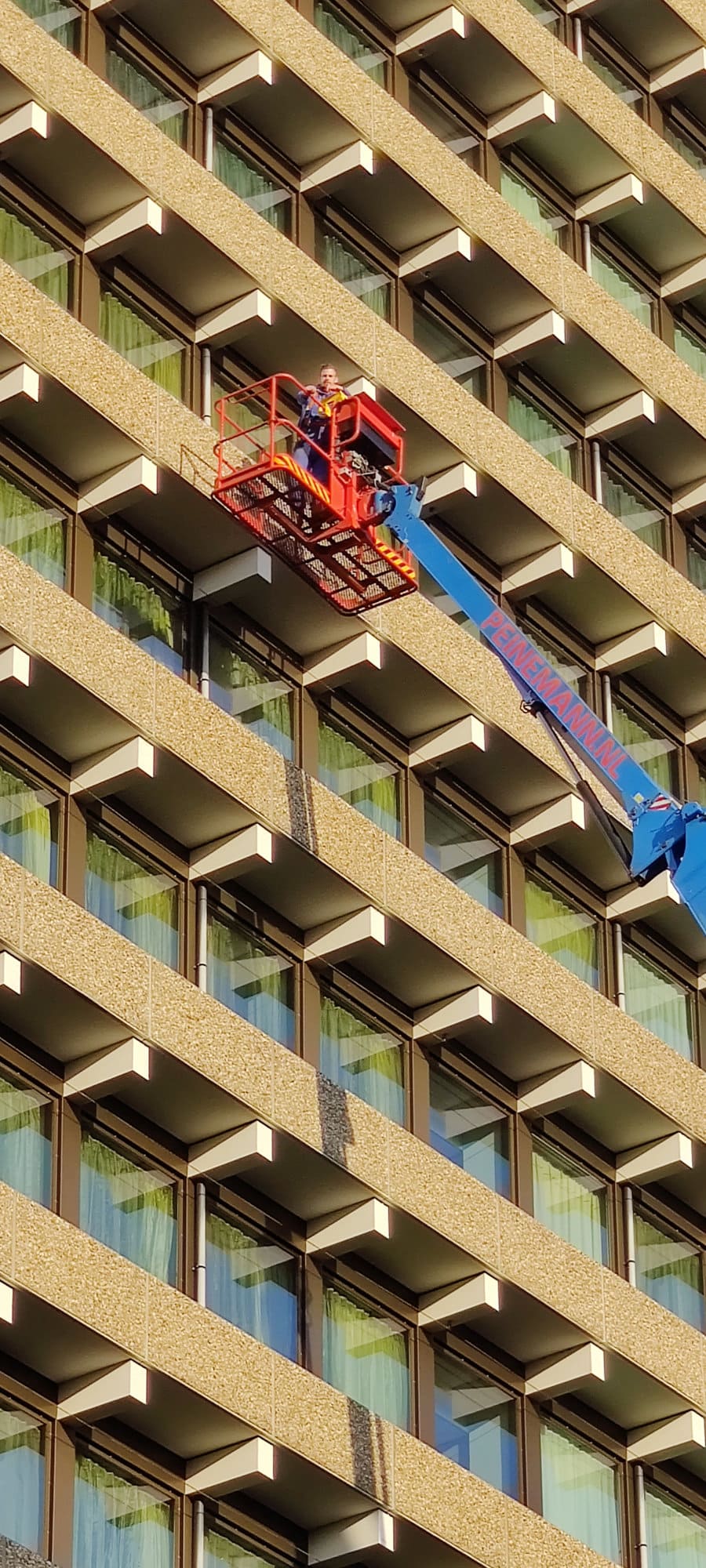
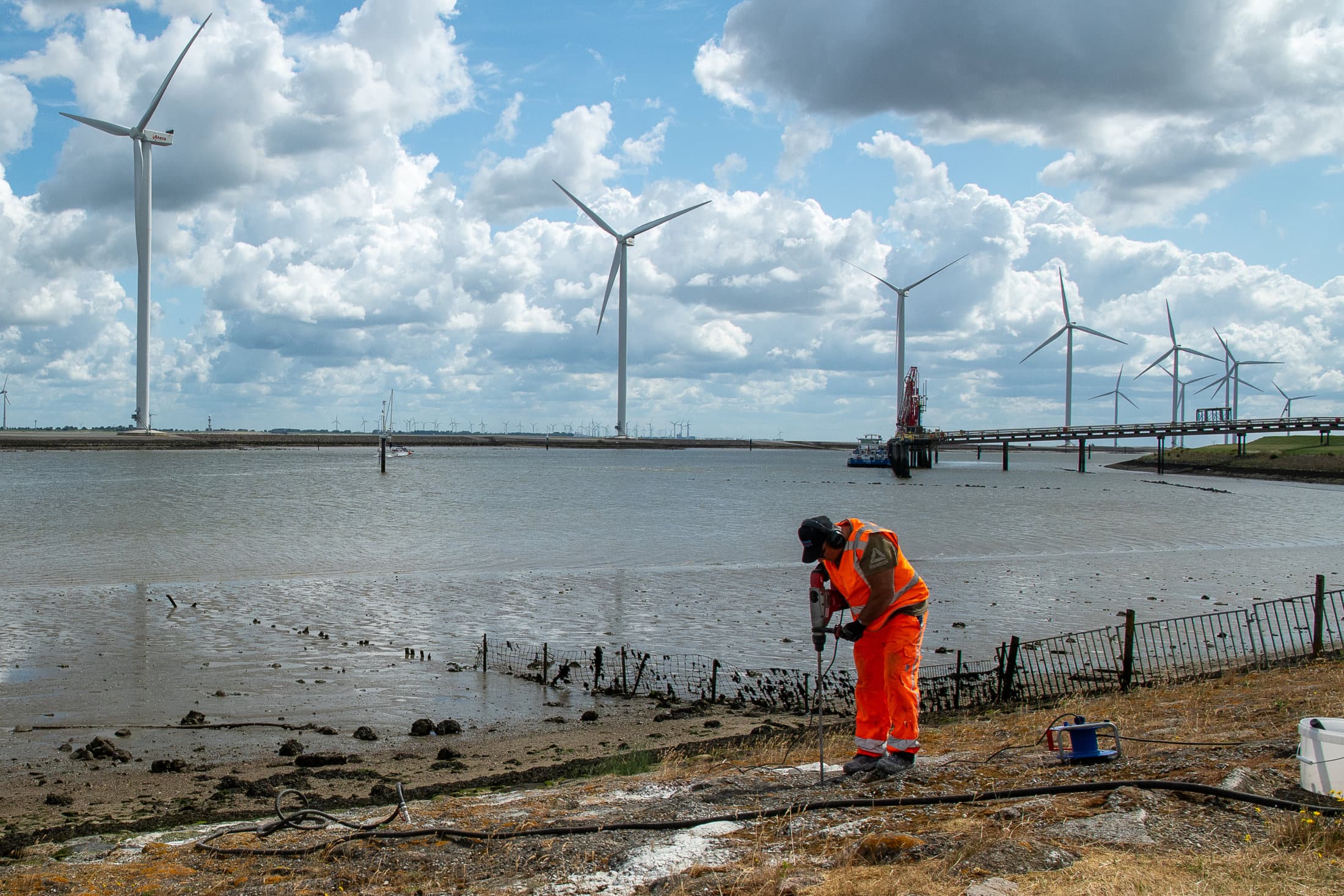
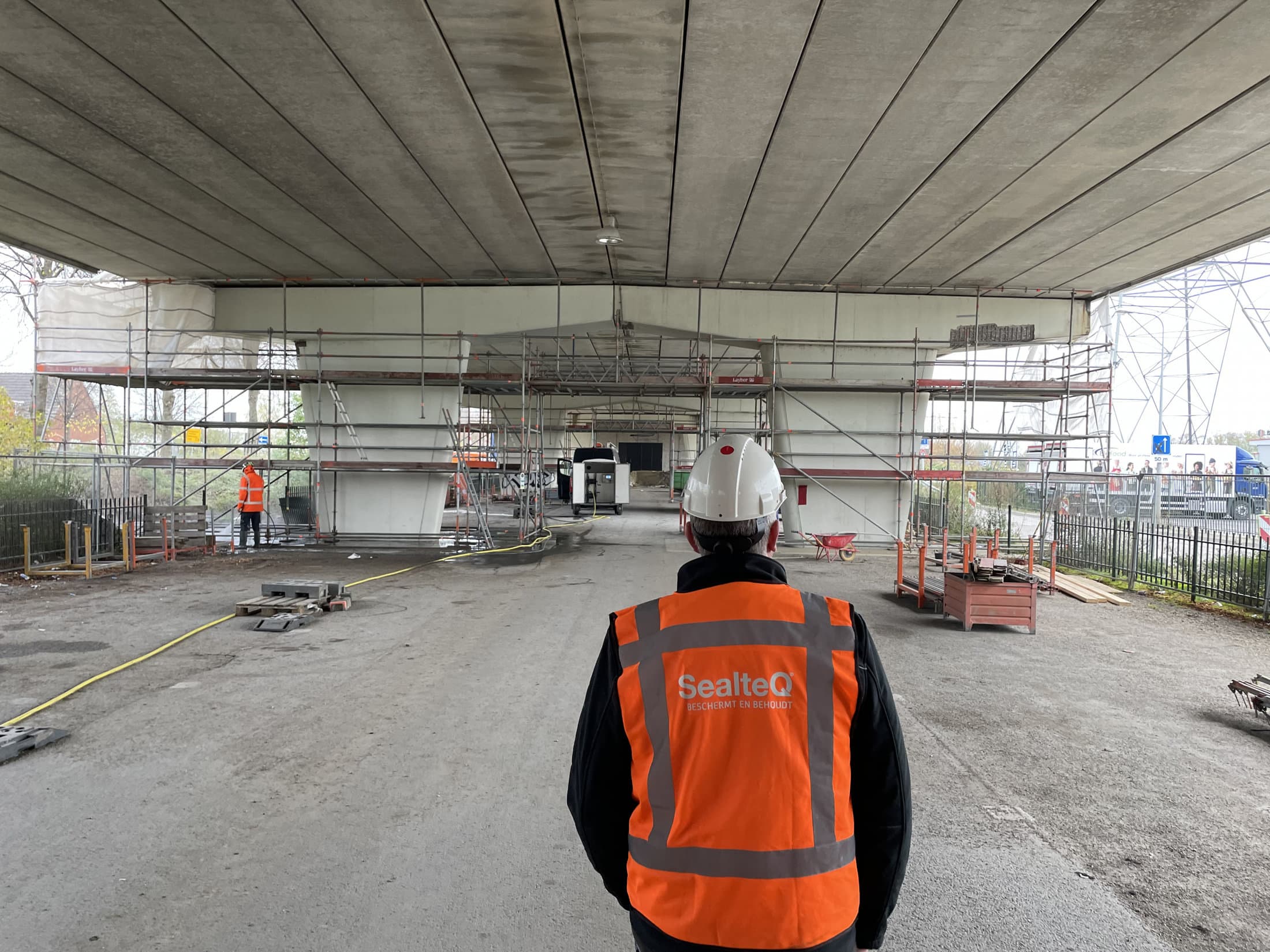
Maintenance on a bridge, tunnel, or quay wall often takes place while the structure remains (partially) in use. Our teams coordinate execution with traffic management measures and phasing to minimize disruption to the surrounding area.
Safety and manageability
Safety is the foundation of every project, both for our skilled professionals and for road users in the vicinity of the structure. We keep the execution process under control through detailed health and safety plans and on-site quality checks.
Choose the certainty of SealteQ
The maintenance of civil engineering structures requires technical expertise and reliable execution. SealteQ brings together the necessary specialisms under one roof—from concrete repair to cathodic protection. Our certifications attest to the quality we deliver.
Frequently asked questions about artworks
What exactly falls under civil engineering structures?
Civil engineering structures are constructions made of concrete, steel, wood, or synthetic materials that do not serve a residential function but facilitate traffic, transport, or water management. Examples include bridges, tunnels, viaducts, quay walls, and sheet pile walls.
How often are artworks inspected?
Critical structures such as tunnels are often inspected several times a year, whereas bridges and quay walls typically undergo a condition inspection once every five years. These inspections determine whether—and when—maintenance is required.
What type of damage occurs most frequently in artworks?
Common forms of damage include concrete rot, reinforcement corrosion caused by chloride ingress, and wear of the road surface due to heavy traffic. In the case of older quay walls, deterioration of the foundation also often plays a role.
Can a work of art remain in use during maintenance?
In many cases, a structure can remain in use through the implementation of temporary traffic measures or a phased execution approach. However, large-scale or structural interventions may necessitate full or partial closure; this is coordinated with the asset manager on a project-by-project basis.
Projects
View more projects involving civil structures

Our specialisms
View all