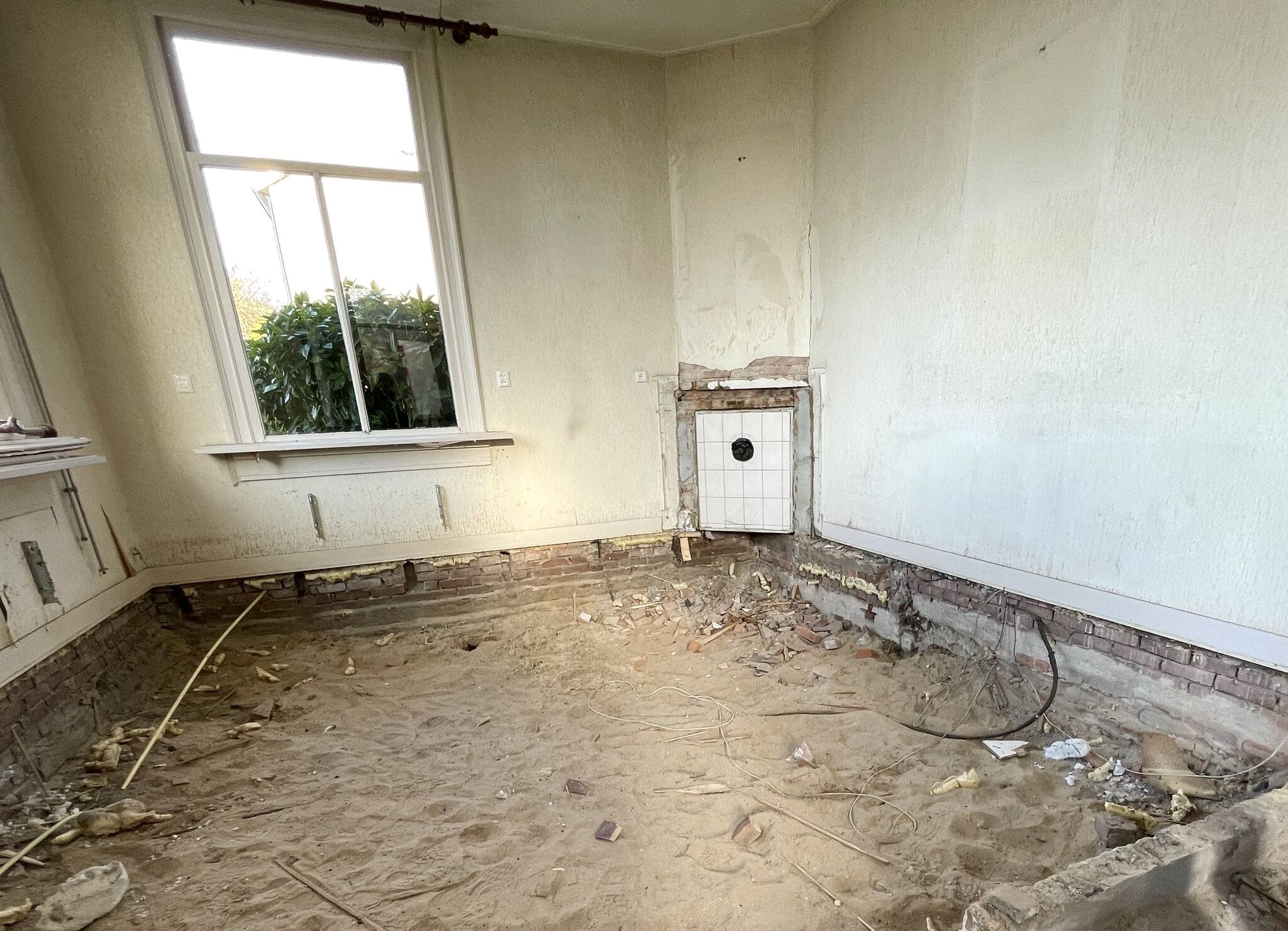
Have you noticed subsidence in your building's foundation? The foundation is the most critical component of any structure. When the structural integrity of the foundation is compromised, it requires in-depth technical analysis and flawless execution. SealteQ SLS specializes in repairing and reinforcing foundation structures that no longer meet required standards due to age, environmental factors, or construction defects.


The content of this page has been translated automatically and may contain minor errors.
Foundation repair
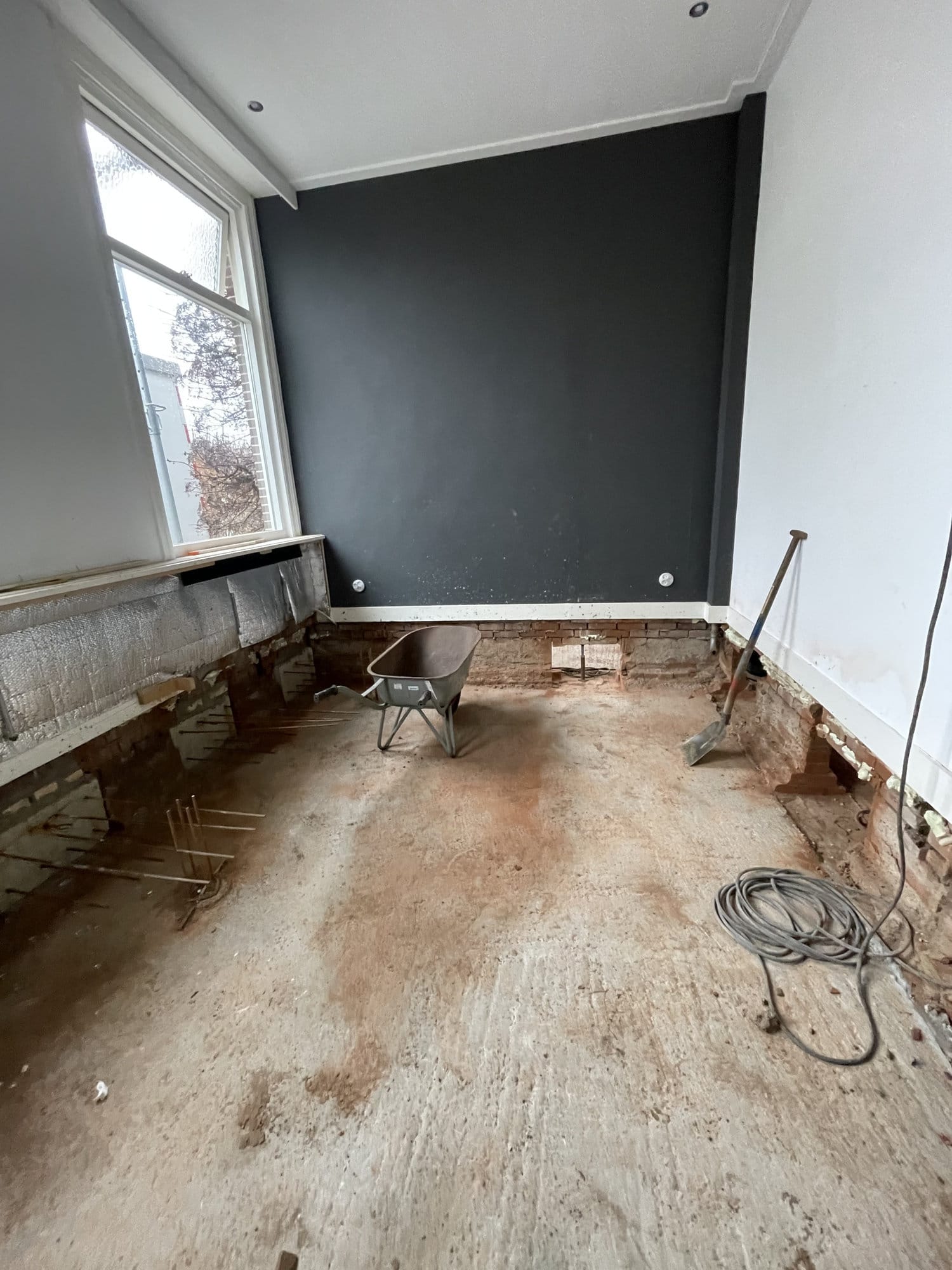
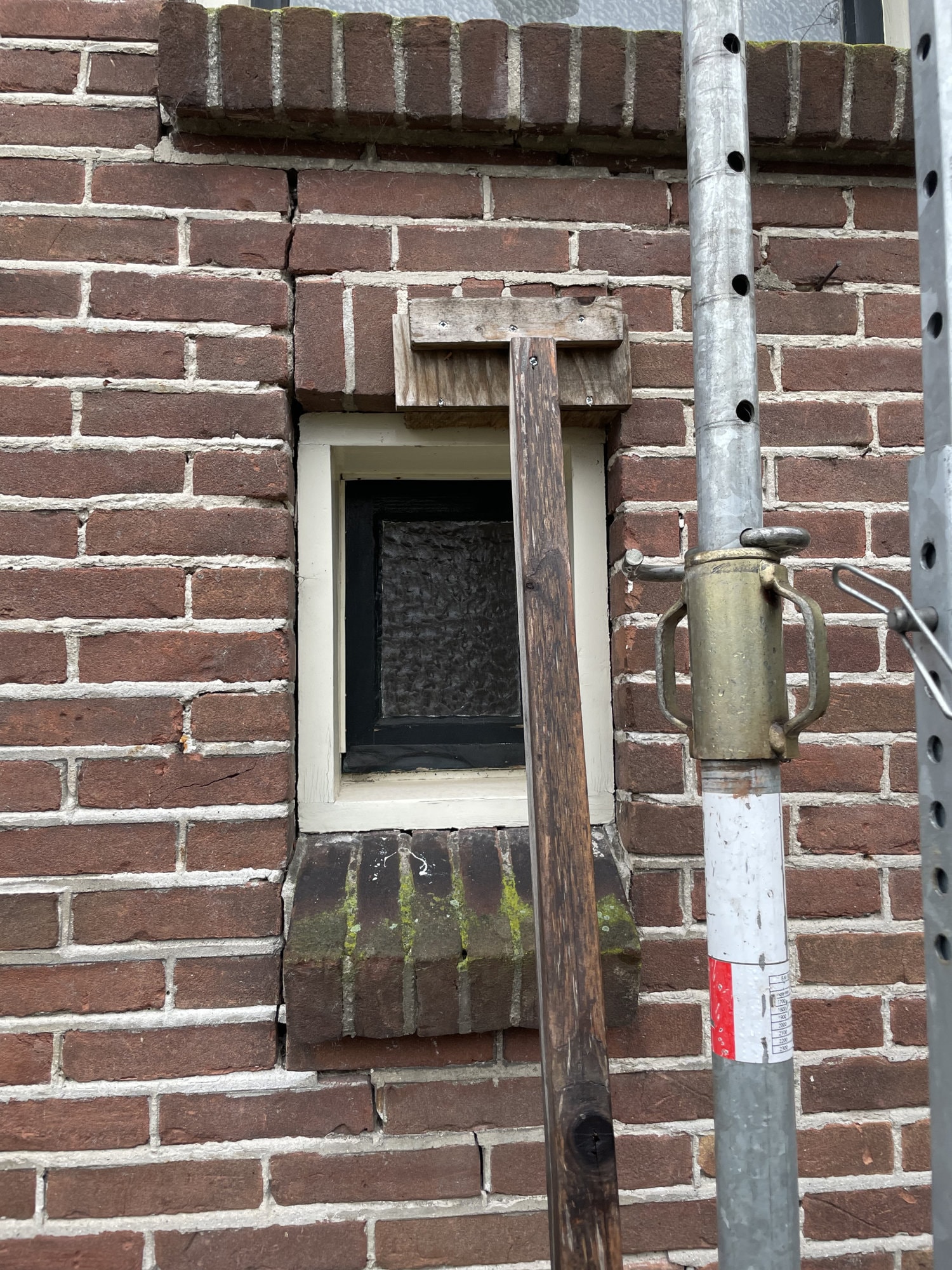


What is foundation repair and why is it important?
Foundation problems can threaten a building’s stability and arise from soil erosion, water infiltration, ground subsidence, or construction errors. Signs of foundation problems include cracks in walls, subsidence, rising damp, uneven floors, sticking doors, and damp basement walls. These signs often indicate an underlying problem with the foundation. Untreated damage can lead to larger structural problems and loss of value.
Common causes include improper soil conditions during construction, aging of materials, or subsidence of the subsoil. If you notice any of these signs, it’s important to take action quickly. Consult building plans or have an inspection carried out to determine the type of foundation and assess the severity of the problem.
What types of foundation repair methods are there?
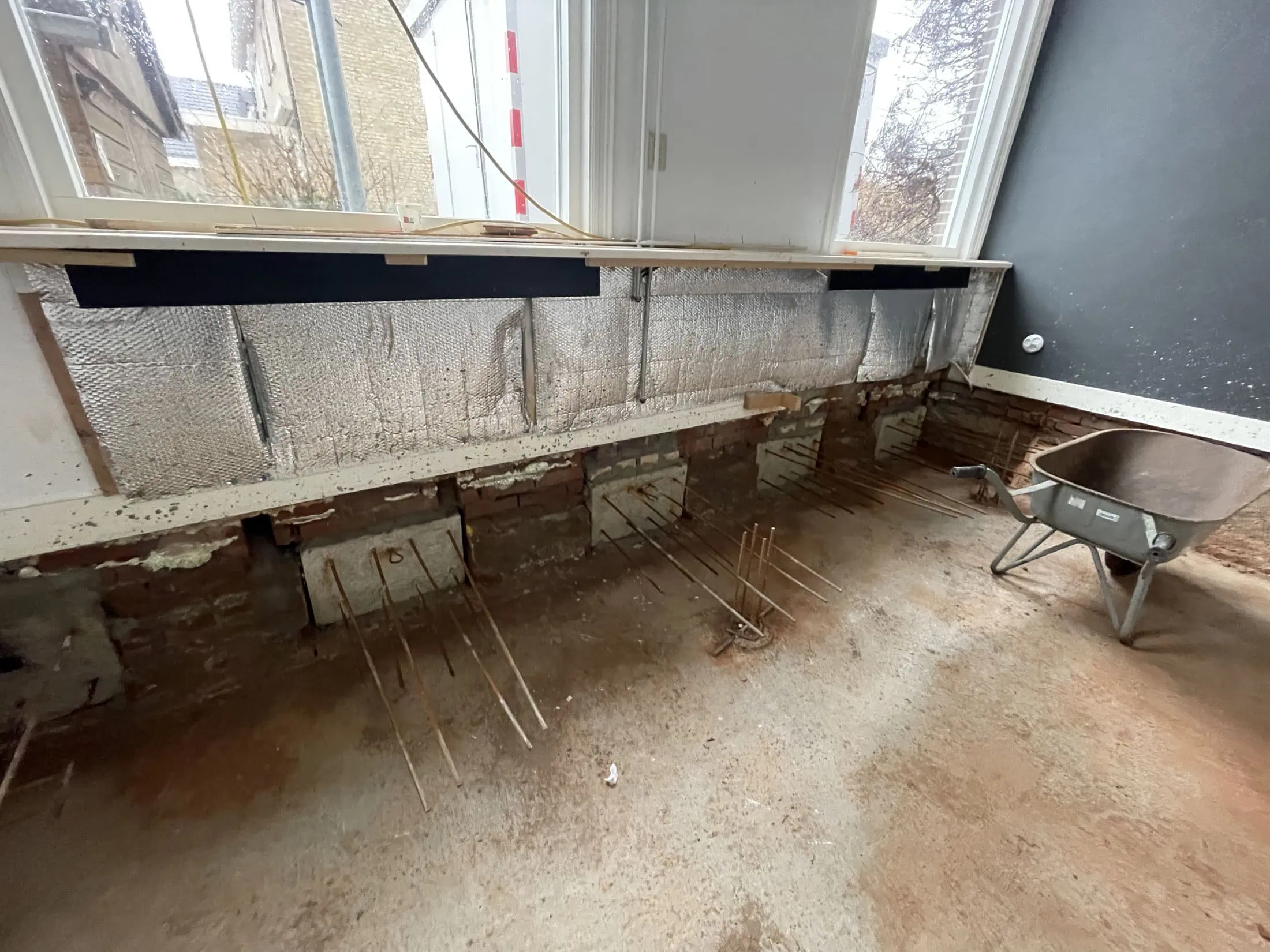
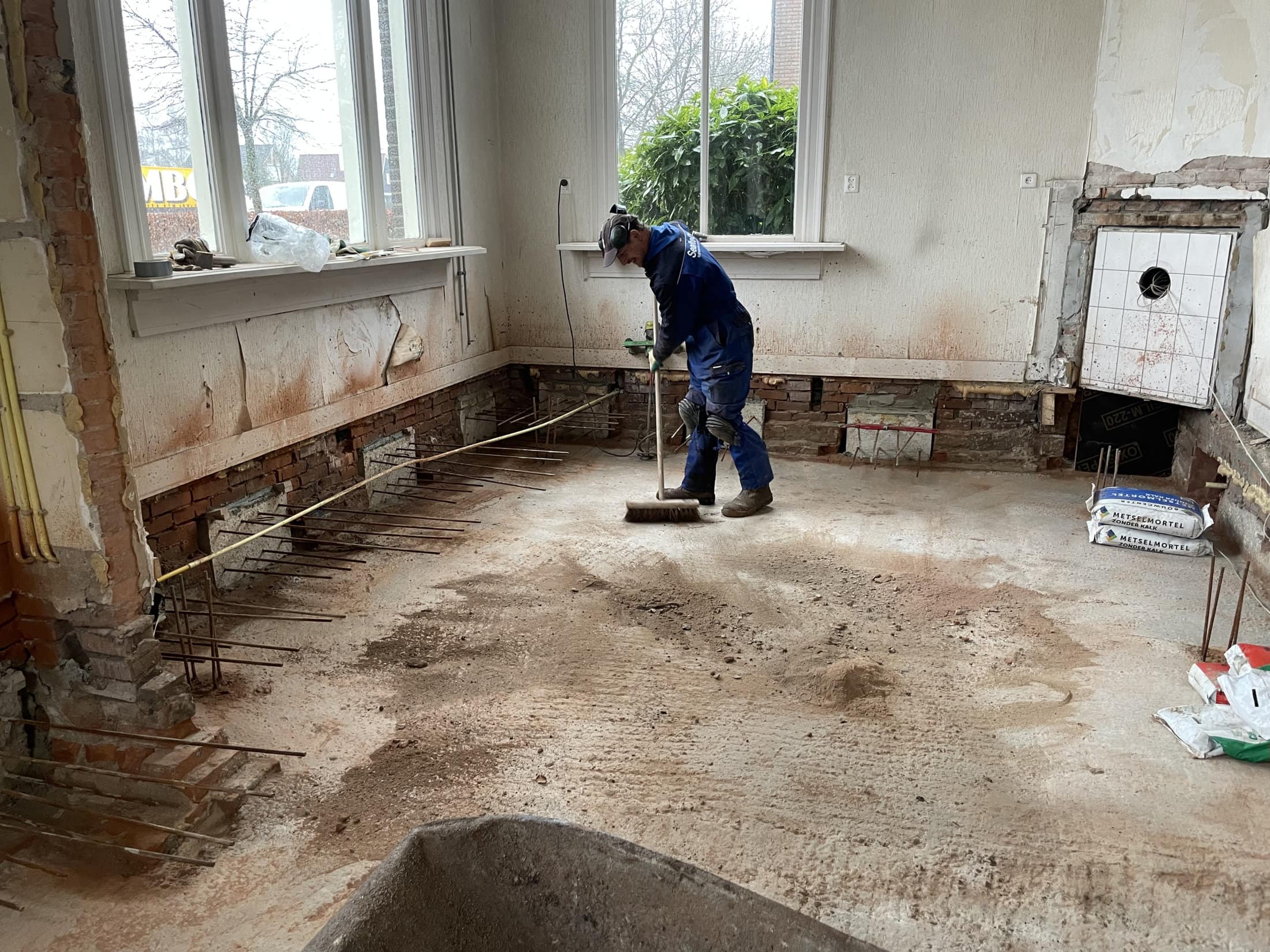
There are various methods for foundation repair, including soil stabilization through injection techniques, and replacing foundation elements, for example by applying the table method. The choice of a specific method depends on the nature and severity of the foundation problems. Concrete repair may also be necessary to restore concrete structures.
In addition, foundation reinforcement may be necessary, which involves increasing the load-bearing capacity of the soil and repairing damaged foundation concrete. This is done through soil stabilization injections, which strengthen the subsoil, and repairing cracks in the concrete, making the foundation strong and stable again.
Soil Stabilization for Infrastructural Works
When the soil under infrastructural works such as railways, highways, civil engineering structures, and runways is unstable, damage can occur to the structures due to settlements. SealteQ SLS repairs this through soil stabilization using injection techniques. The soil layers are injected with a range of materials such as SLS polymer foam and SLS soil. This increases the load-bearing capacity of the soil, resulting in stabilized structures.
Stabilization of Building Foundations
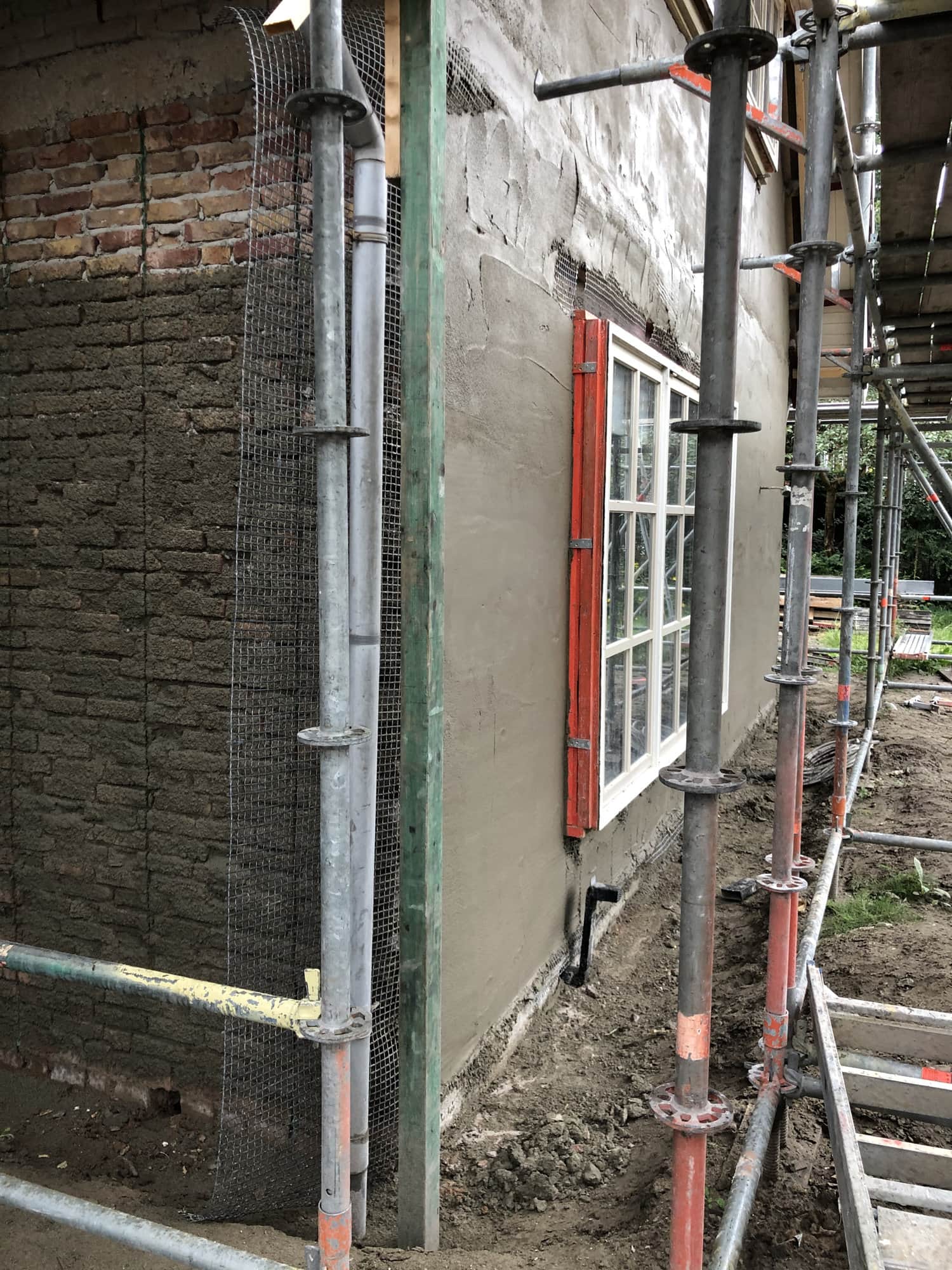
SealteQ offers solutions for building foundation problems through soil stabilization and the application of expansion columns from deeper soil layers. By applying these methods, foundation problems can be effectively addressed, restoring the stability and structural integrity of buildings.
What are the causes of foundation problems?
Foundation problems arise from various factors that threaten a building’s stability. Common causes include soil erosion, where soil slides away from under the foundation due to water or wind influences, and water infiltration, where moisture affects the foundation, for example through leaks or poor drainage.
Ground subsidence can also lead to instability, especially in areas with peat or clay. This is one of the main reasons for foundation problems in the Netherlands. Corrosion of foundation materials, such as rusting reinforcement in concrete, is also common in older buildings. This can lead to structural damage, which is sometimes not immediately visible.
Additionally, construction errors and natural disasters such as earthquakes can also contribute to foundation problems. It is crucial to recognize and address these problems in a timely manner. Regular inspection and timely repair can prevent further damage and ensure the stability of the building.
How long does the foundation repair process take?
The duration of foundation repair depends on factors such as the project’s scope, the chosen repair method, and the subsoil conditions. Small repair projects can be completed within a few days, while larger projects require more time. It is important to have realistic expectations and to identify any potential disruptions for residents, users, or business operations in advance. Good planning and communication are essential for a smooth process.
Can foundation problems be prevented?
There are various preventive measures that help to prevent foundation problems. Regular maintenance and monitoring of the foundation condition are important to detect early signs of damage, such as cracks or subsidence. Applying sustainable construction techniques, such as improving drainage and using waterproof materials, can extend the lifespan of the foundation.
Furthermore, it is advisable to consult an expert for advice on the best preventive approach to prevent future foundation problems.
Execution in accordance with strict standards
Foundation repair is a high-risk discipline with minimal margins for error. Any mistake during execution can have immediate consequences for the stability of the entire structure. That is why SealteQ employs an integrated quality management approach that goes beyond standard requirements.
Certification and process control
We work in accordance with BRL 3201, the national assessment guideline for the technical repair and protection of concrete. This means that every step—from the pre-treatment of the concrete to the final application of repair mortars—is carried out by certified specialists. In doing so, we ensure that the repaired foundation once again meets the original design specifications for load-bearing capacity and service life.
Working in complex conditions
Our teams are specifically equipped for projects in technically challenging environments. Whether the work involves confined, poorly ventilated crawl spaces or sites with critically high groundwater levels, we deploy specialized equipment to manage environmental risks. This includes low-vibration machinery and advanced monitoring systems that detect even the slightest structural settlement during the process.
Safety and manageability
For us, safety is not an afterthought but the foundation of every project. This applies equally to the physical safety of our skilled professionals and the structural integrity of your property. Through detailed Health & Safety plans and continuous on-site quality checks, we ensure a controlled execution process that safeguards the structural integrity at all times.
Choose the certainty of SealteQ
Foundation repair requires flawless execution and in-depth technical expertise. SealteQ offers the precision needed to provide lasting solutions to foundation issues, ensuring the long-term stability of your structure. Our craftsmanship is firmly rooted in an integrated quality system, with all our operating companies holding strict certifications.
As a member of the Association of Certified Concrete Repair Companies (VBR), we are committed to safety and corporate social responsibility on a daily basis.
Frequently asked questions about foundation problems
Foundation repair often raises technical and practical questions. Since every situation is unique and depends on specific soil parameters and construction methods, our specialists have compiled a list of the most frequently asked questions. This provides you with an initial insight into the issues involved and the potential solutions for your project.
How can it be determined what type of foundation a building has?
Consult construction drawings or have an inspection carried out to determine the type of foundation. Old construction documents or soil reports usually indicate whether your building is supported by piles or a shallow foundation (resting directly on the sand). The absence of visible foundation piles indicates a shallow foundation (a wide concrete footing resting on the ground).
What are the Signs of Foundation Problems?
Cracks in walls or floors, subsidence, rising damp (often due to a failing damp-proof course at the base of the foundation), and crumbling concrete are clear signs. Sloping floors or sticking doors, for instance, can indicate uneven settlement.
What Types of Foundations are there?
The main foundation types are shallow foundations and pile foundations. A shallow foundation bears directly on load-bearing soil (using a slab or strip footings). On soft soils, pile foundations are used: the structure then rests on piles driven into the ground.
When is Foundation Repair Required?
Foundation repair is required as soon as the foundation loses its bearing capacity and causes damage. If you notice cracks in walls, sunken floors, sticking doors, or damp basement walls, this indicates foundation problems that require repair. Waiting will worsen the damage and increase repair costs.
Is Foundation Repair Covered by Insurance?
Foundation repair is generally not covered by insurance, unless it results from a sudden, covered event.
Projects
View more foundation repair projects