A poor-quality floor in a hospitality setting is more than just an aesthetic issue. Loose joints, slippery patches, and porous surfaces pose a direct safety risk to your staff and create a structural hygiene problem that will not escape the notice of the NVWA (Dutch Food and Consumer Product Safety Authority). Studio Bovitec—part of SealteQ Zuid—supplies PMMA cast flooring for hospitality environments that meets the strictest standards for safety, hygiene, and durability, suitable for everything from small bistros to commercial kitchens. The flooring is seamless, wear-resistant, and ready for full use within two hours of installation.


The content of this page has been translated automatically and may contain minor errors.
Hospitality floors
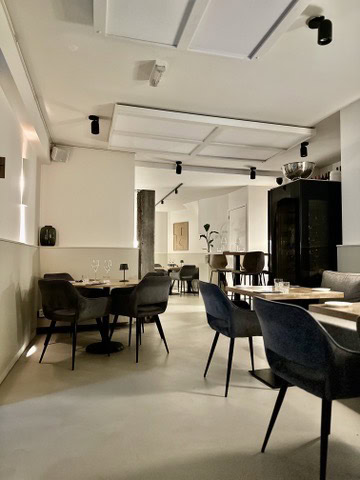
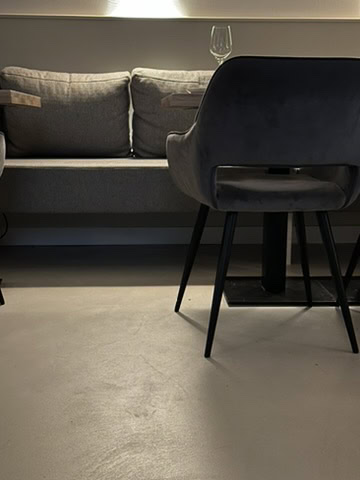


Why a hospitality floor is essential
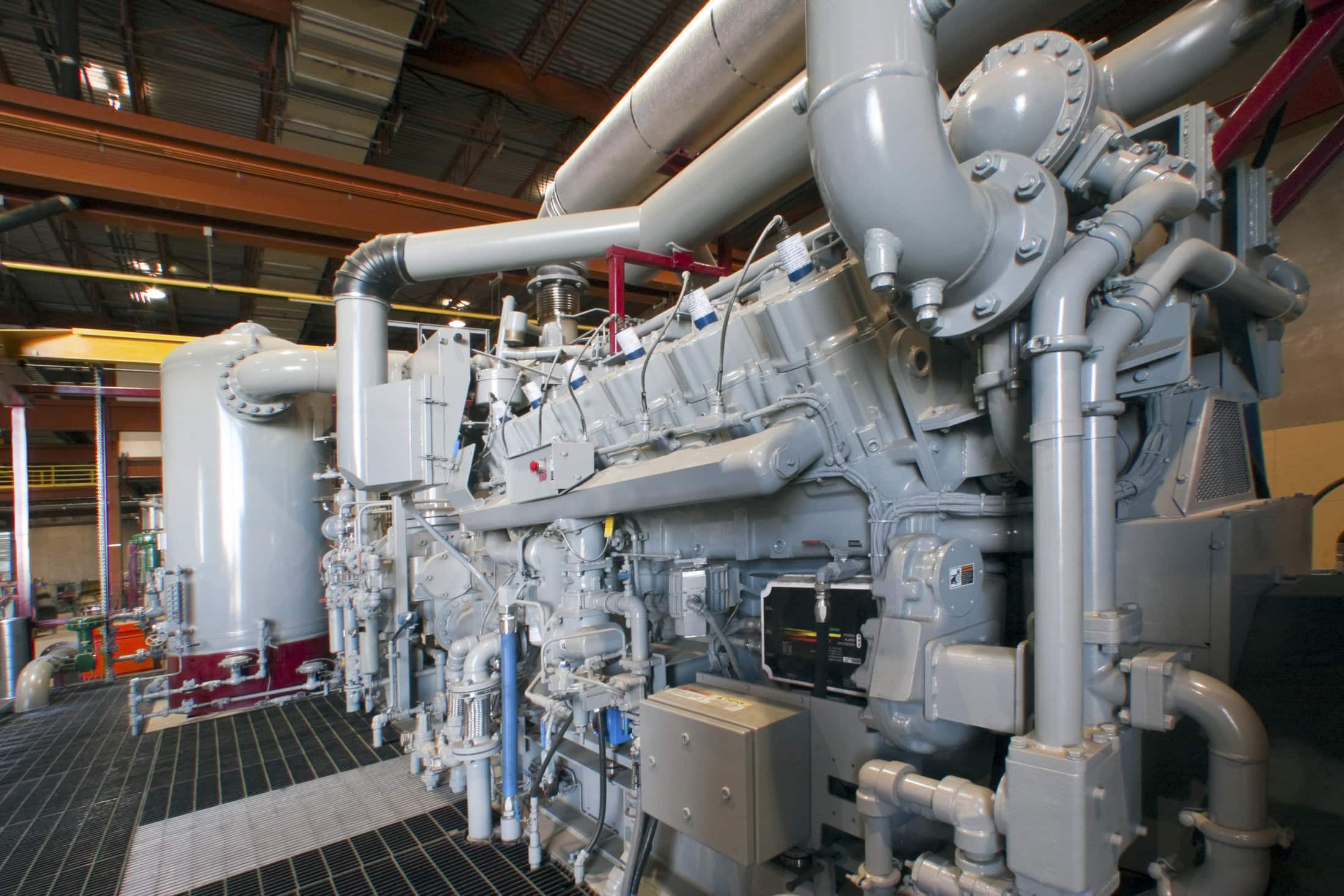
A standard floor is not designed to withstand the extreme demands placed on a professional commercial kitchen or restaurant floor. Boiling grease, cleaning agents, constant foot traffic, and heavy equipment put the flooring to the test every day. A floor that cannot cope with these conditions deteriorates rapidly: the surface becomes porous, joints break down, and bacteria find an environment where they can thrive.
What guidelines must a hospitality flooring surface meet?
Strict legal requirements apply to flooring in the hospitality industry; these are based on HACCP guidelines and enforced by the NVWA. Hospitality flooring must demonstrably meet the following requirements:
- Liquid-tight: prevents the penetration of liquids, fats, or cleaning agents into the floor structure.
- Seamless: no joints or seams where dirt and bacteria can accumulate.
- Anti-slip: sufficient slip resistance in accordance with safety requirements for professional kitchens.
- Chemically resistant: resistant to aggressive cleaning agents, acids, and fats.
- Coved skirting finish: a wall-to-floor junction without sharp angles for optimal hygiene, in compliance with HACCP regulations.
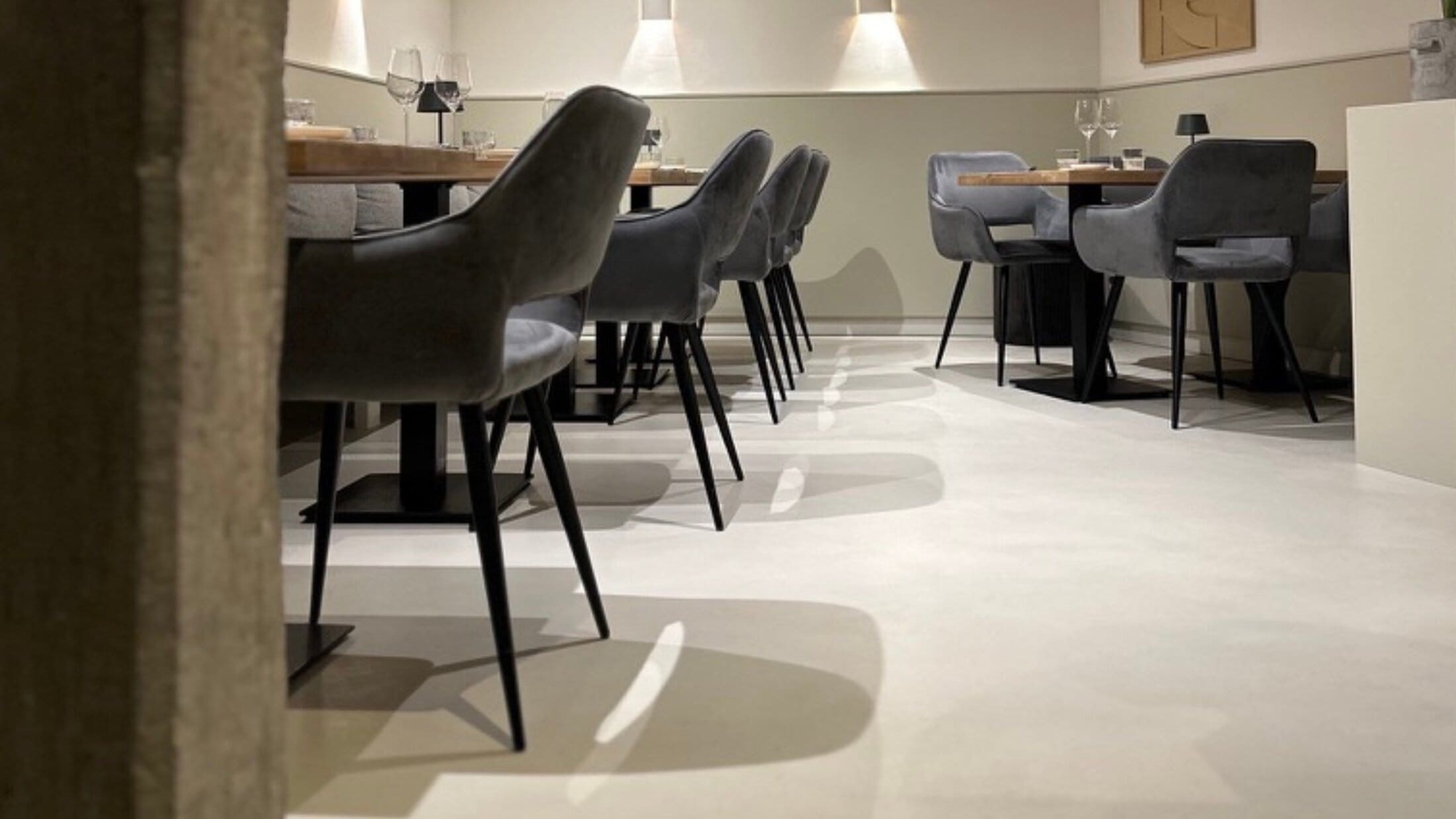
Studio Bovitec’s PMMA cast floor meets all these requirements. Its seamless finish and hydrophobic surface leave no chance for bacteria or mold to take hold. Cove skirtings are included in the design as standard.
Key features of our hospitality flooring
Harsh cleaning agents, acids, and kitchen fats damage ordinary floors. The surface becomes porous, discolors, and loses traction. PMMA poured flooring has been specifically developed to address this, offering properties that standard floors cannot provide.
Chemical resistance and hygiene
PMMA is resistant to the acids, alkalis, oils, and organic substances commonly found in commercial kitchens. Its seamless, liquid-tight surface prevents bacterial growth and is easy to clean using standard commercial cleaning agents. The flooring complies with HACCP standards and passes NVWA inspections without issue.
Safety and wear resistance
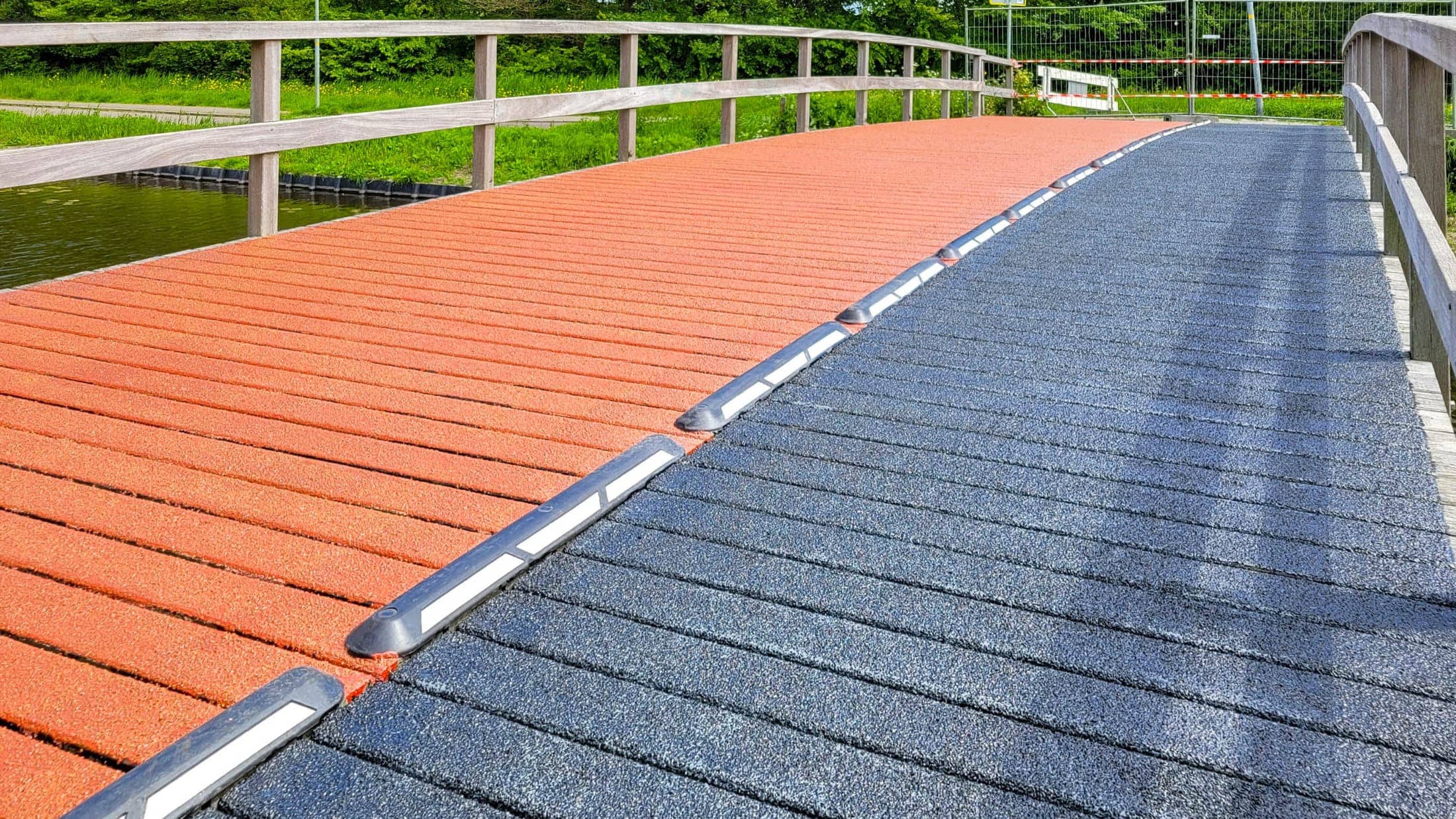
The PMMA floor is finished with quartz sand or flakes, allowing the slip resistance to be precisely adjusted—ranging from light slip resistance to maximum grip for wet kitchen floors. The floor is wear-resistant under heavy foot traffic, withstands roll containers and heavy kitchen equipment, and remains easy to clean even after years of use.
Our hospitality flooring
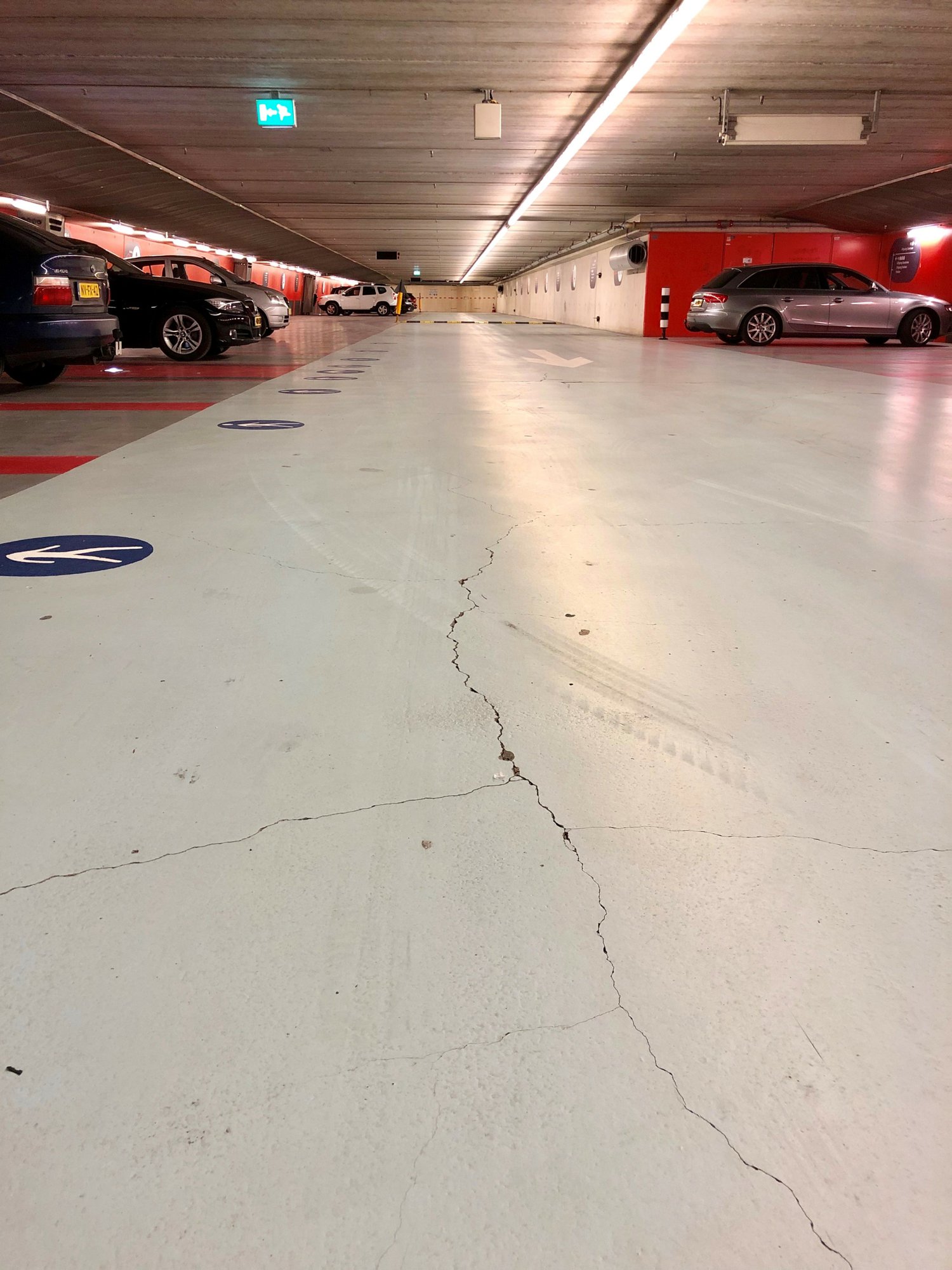
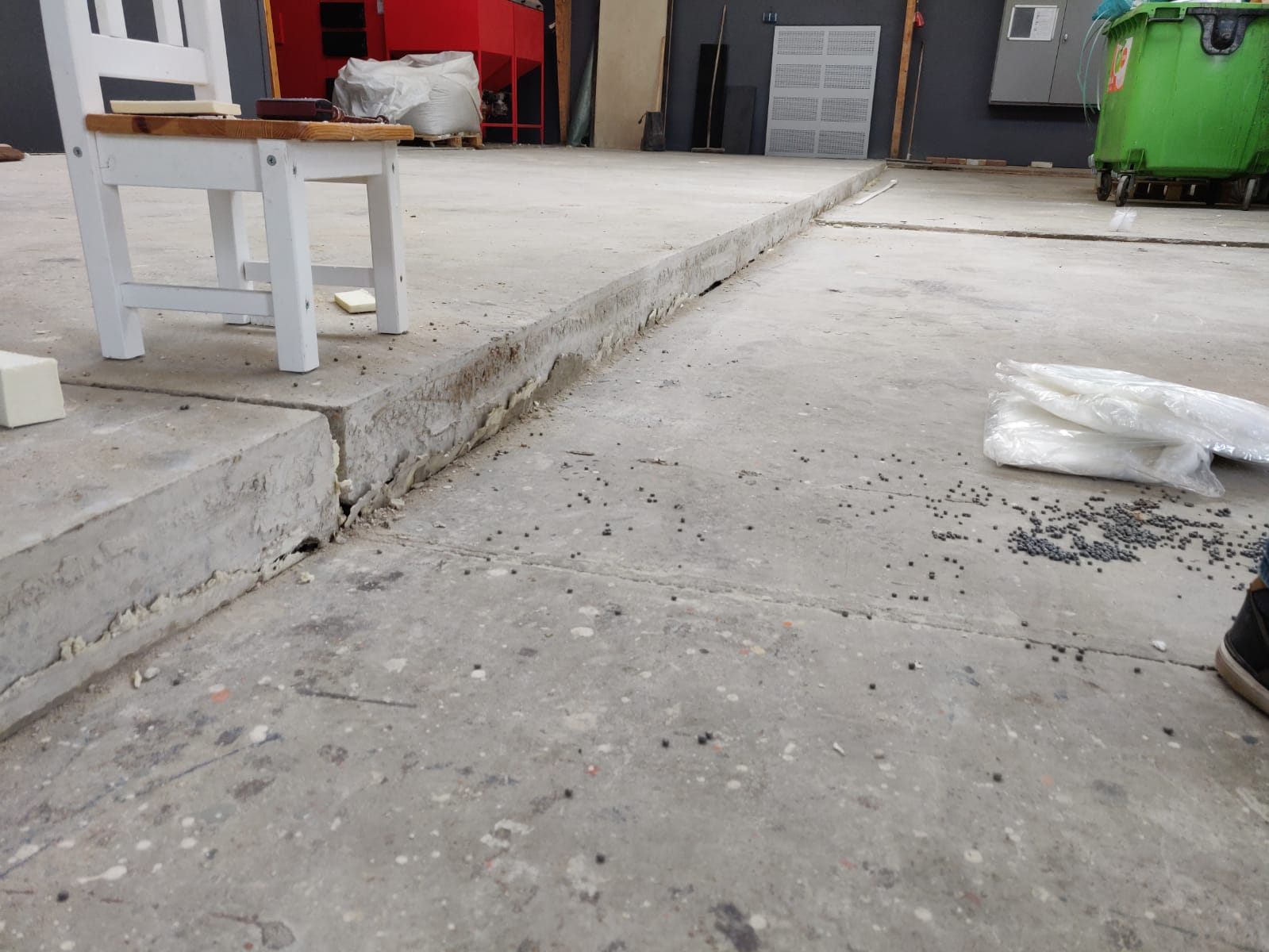
Cracks in the floor, crumbling tiles, slippery spots, discoloration, loose grout, and pooling water are not signs of normal wear and tear; they are indicators of underlying problems that require immediate attention. Waiting too long increases the risk of slip-and-fall accidents, hygiene issues, and citations from the NVWA. Studio Bovitec provides structural solutions for these problems using two applications:
New PMMA cast floor
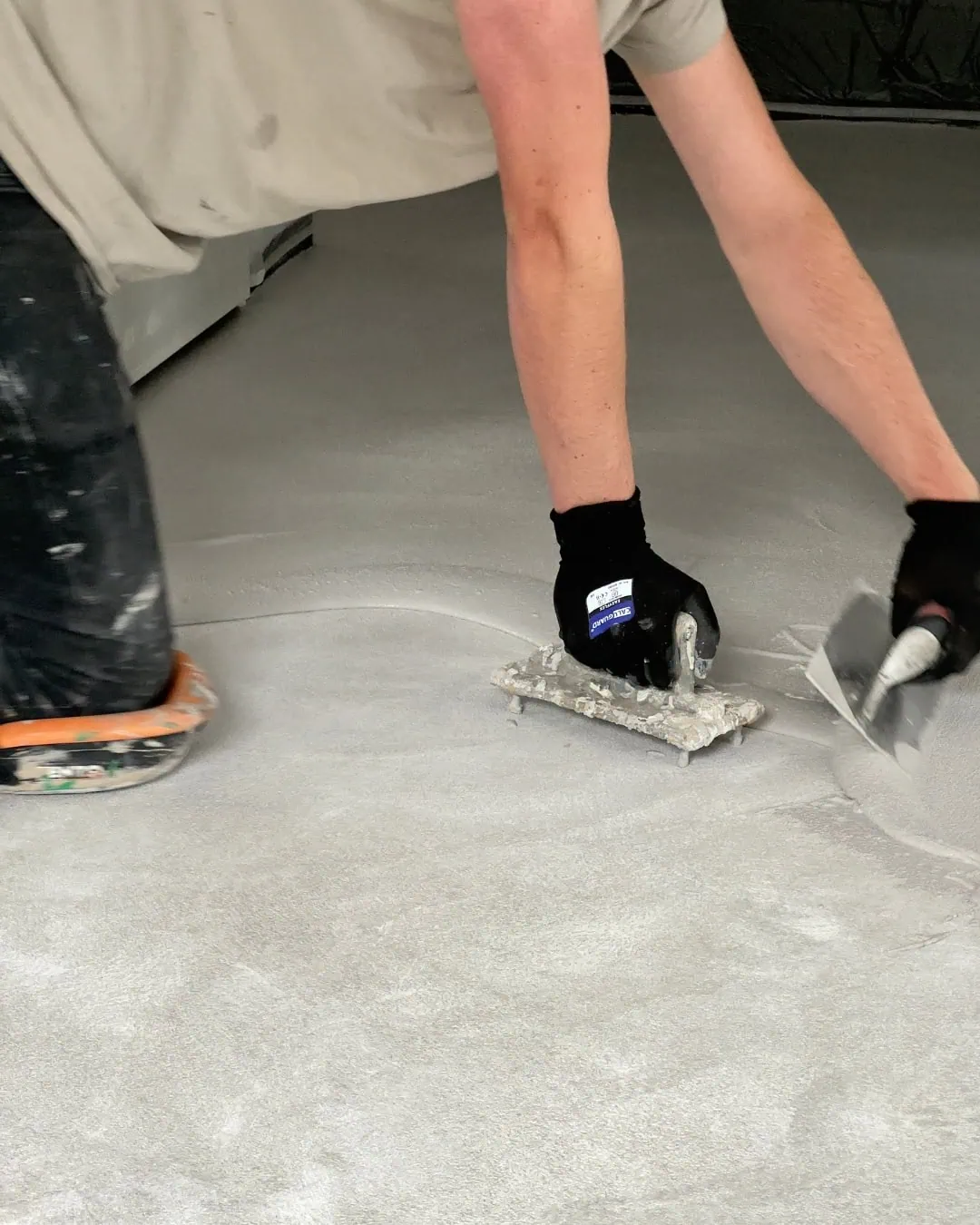
For new construction or complete replacement, we install a new PMMA cast floor onto the prepared substrate. The floor is 3–5 mm thick, completely seamless, and available with an anti-slip finish in various colors. Installation is completed in a single day, and the floor is ready for full use after just two hours. Suitable for restaurant kitchens, kitchen areas, cold storage rooms, storage facilities, and public areas.
Renovation of an existing hospitality flooring
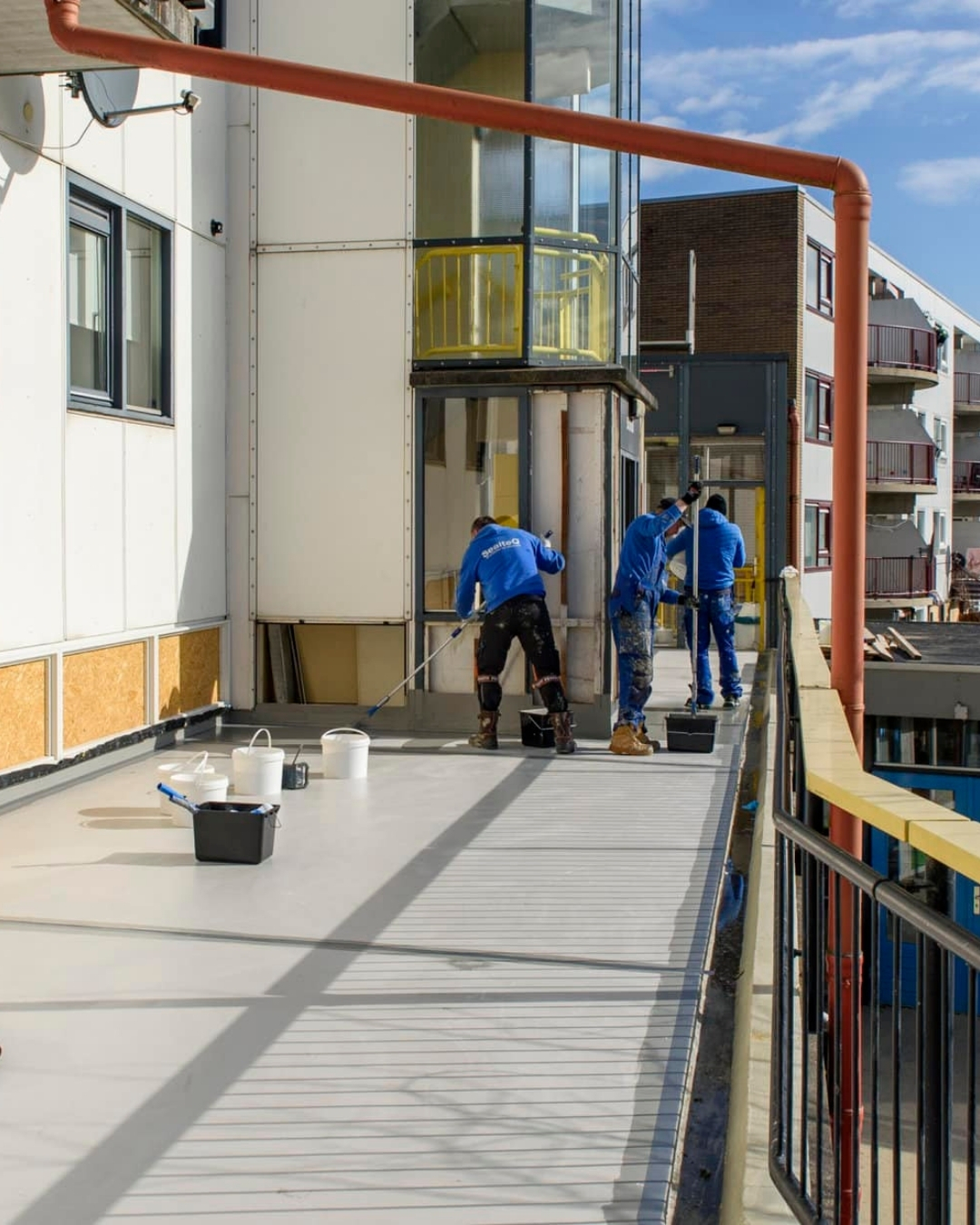
Is your current floor damaged or worn? Studio Bovitec removes the existing finish, repairs cracks and irregularities in the substrate, and then applies a new PMMA layer. In many cases, demolition work is unnecessary: the PMMA floor can be applied directly over tiles, concrete, or cement screed. This minimizes the time your business needs to be closed.
Studio Bovitec’s Working Method
Step 1: Inspection and preparation
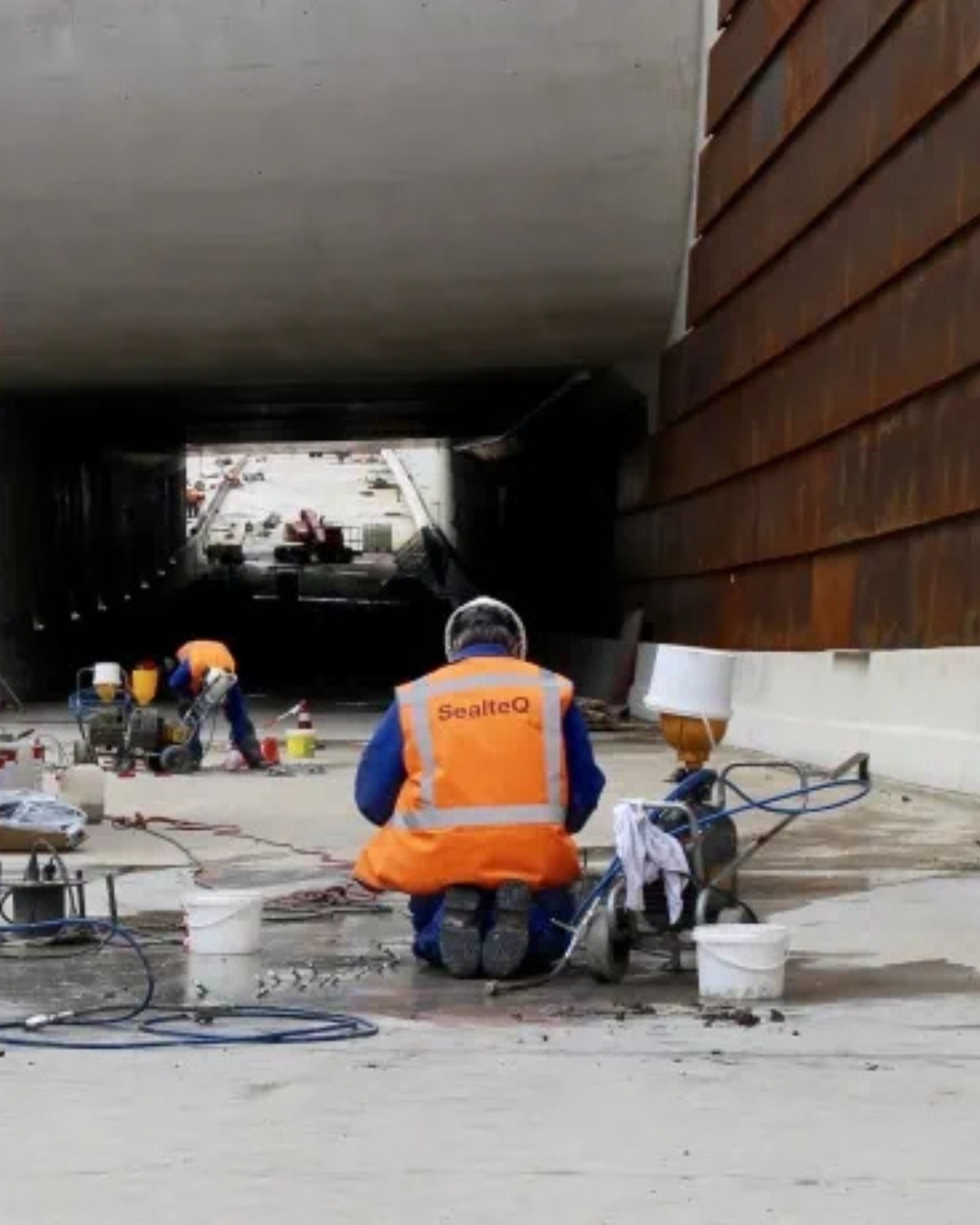
Every project begins with an on-site inspection. Our specialist assesses the condition of the substrate, measures moisture levels, and identifies any structural issues. Cracks, moisture penetration, or subsidence are repaired first. Application of the PMMA flooring begins only once the substrate meets the necessary requirements. This ensures you do not build on a poor foundation.
Step 2: Application and delivery
The PMMA flooring is applied in multiple layers: a primer layer for adhesion, a self-leveling layer broadcast with quartz sand for texture and grip, and a sealer layer as a protective finish. Cove skirtings are installed simultaneously to ensure a complete, HACCP-compliant finish.
Professional hospitality floors by Studio Bovitec
Studio Bovitec, part of SealteQ Zuid, provides comprehensive technical solutions, backed by in-depth expertise in concrete technology, structural safety, and hygiene standards within the hospitality sector. We do not merely resolve visible issues; we also address the underlying causes. Whether the project involves a small bistro or a hotel kitchen spanning hundreds of square meters, our approach is always thorough and the results are durable.
Frequently asked questions about hospitality floors
Which flooring for the hospitality industry?
A cast PMMA floor is the most suitable choice for hospitality environments. The floor is seamless, liquid-tight, and chemical-resistant, and it complies with HACCP guidelines. Unlike tiled floors, a PMMA floor has no joints where bacteria and dirt can accumulate.
What are the requirements for a commercial kitchen floor?
A commercial kitchen floor must comply with HACCP guidelines as enforced by the NVWA. Specifically, this means it must be liquid-tight, seamless, easy to clean, chemical-resistant, and provide sufficient slip resistance. In addition, a coved skirting finish at the wall-floor junction is mandatory to ensure verifiable hygiene in the corners. The PMMA flooring from Studio Bovitec meets all these requirements.
What are the rules for the hospitality industry in 2026?
In 2026, HACCP standards will continue to serve as the legal framework for food safety and hygiene for hospitality businesses. The NVWA actively inspects the condition of floors, wall-to-floor junctions, and the ease of cleaning in areas where food is prepared or stored. Consequently, a seamless, liquid-tight, and easily maintainable floor is not merely an option, but a requirement.
What are the advantages of a PMMA poured floor compared to hospitality flooring tiles?
Tiled floors have joints, and in a commercial kitchen, joints pose a structural hygiene risk. They deteriorate, accumulate dirt, and are difficult to clean thoroughly. A seamless PMMA poured floor has no joints, is completely liquid-tight, and is easy to scrub clean. Moreover, a PMMA floor is more wear-resistant, quicker to install, and requires less labor for daily maintenance.
How do I optimally maintain a hospitality-sector floor?
The PMMA floor is easy to maintain. Daily sweeping or vacuuming suffices for routine maintenance. For thorough cleaning, a flat mop with a mild, soap-free cleaning agent is sufficient. Do not use harsh abrasive cleaners or wire brushes, as these will damage the top layer. Remove coarse sand or grit immediately to prevent scratching.
Our specialisms
View all