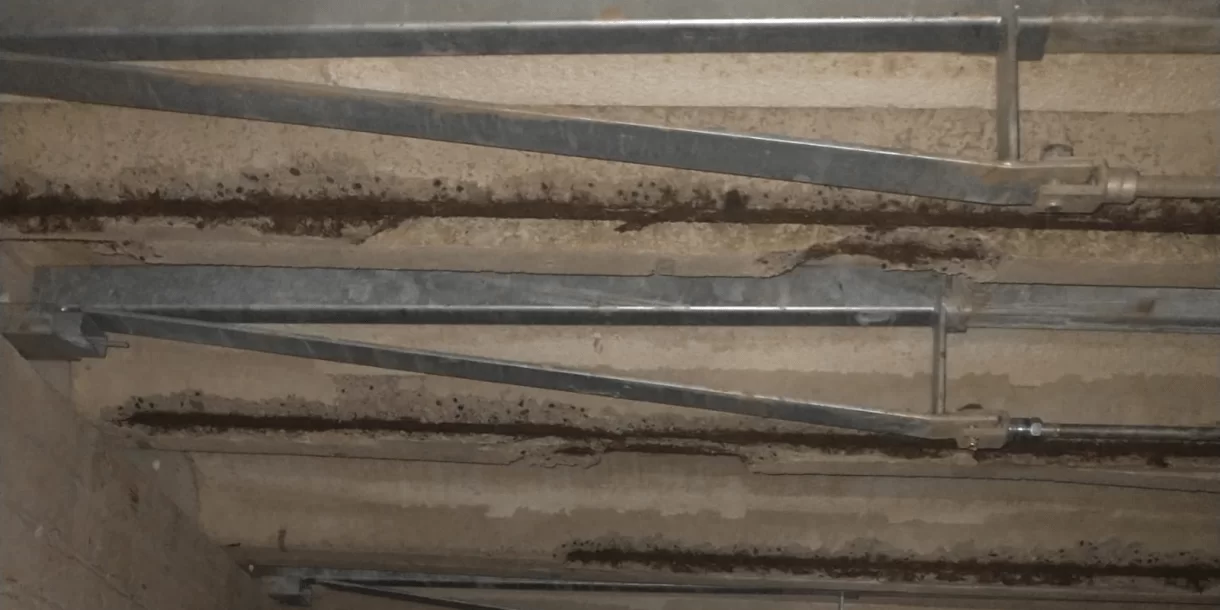
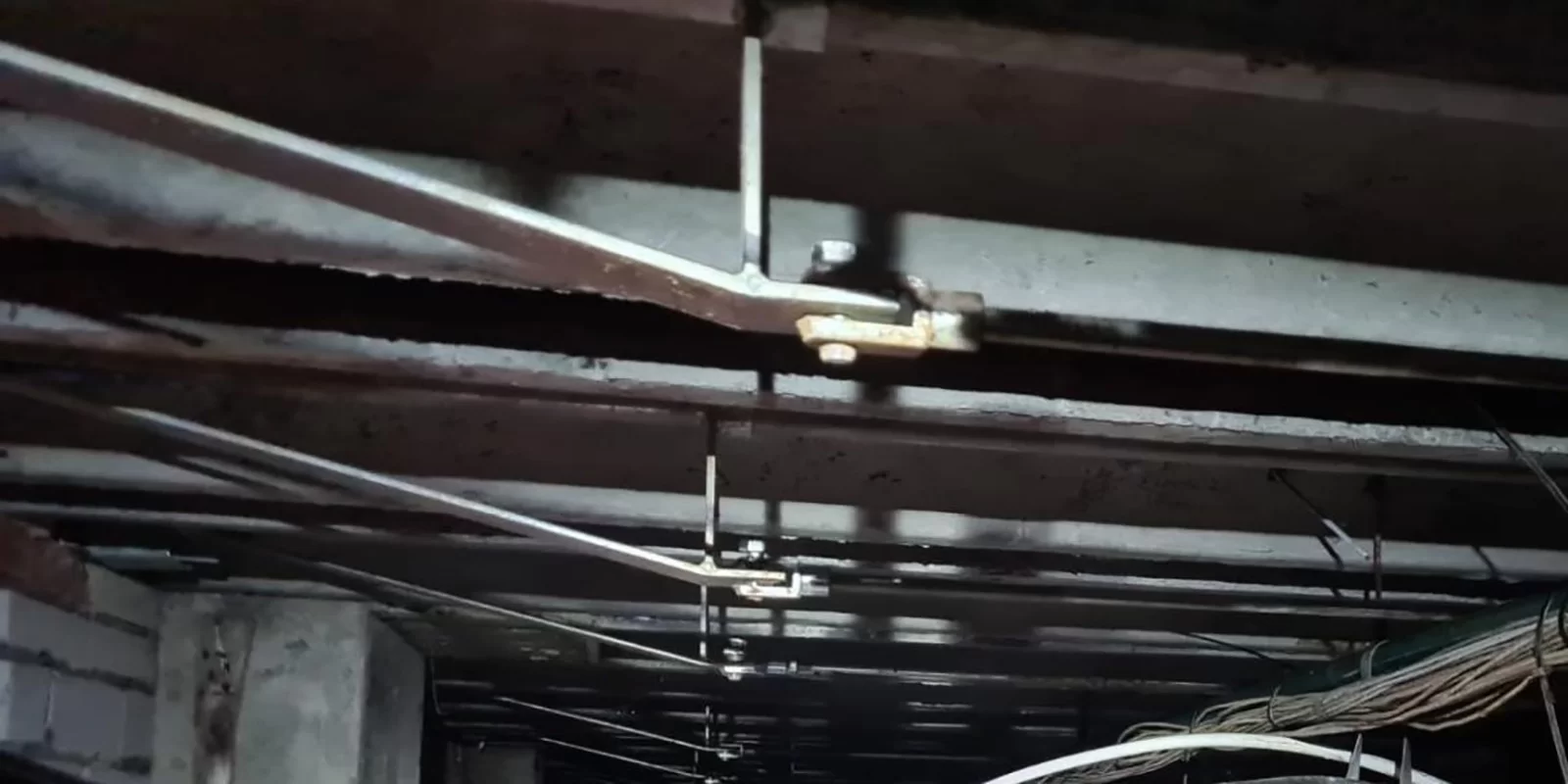
Pipeline systems are constantly under stress: underground due to soil moisture and ground subsidence, and above ground due to weather conditions and mechanical stress. In both cases, steel corrosion poses the greatest threat. An undetected leak can quickly lead to operational downtime, environmental risks, and costly emergency repairs. Timely protection and maintenance prevent a small problem from turning into a major one.


The content of this page has been translated automatically and may contain minor errors.
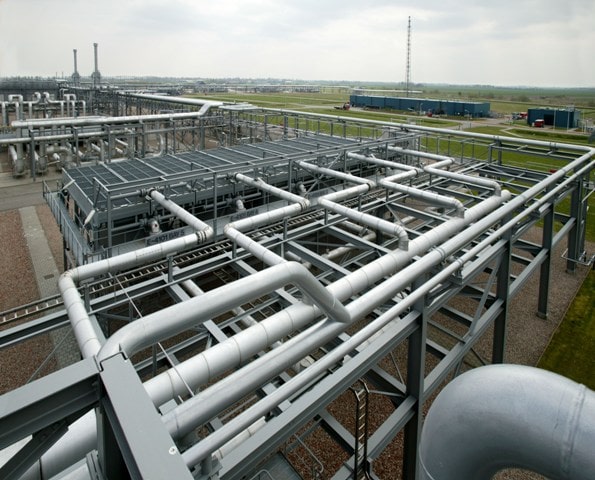
Underground and overhead piping
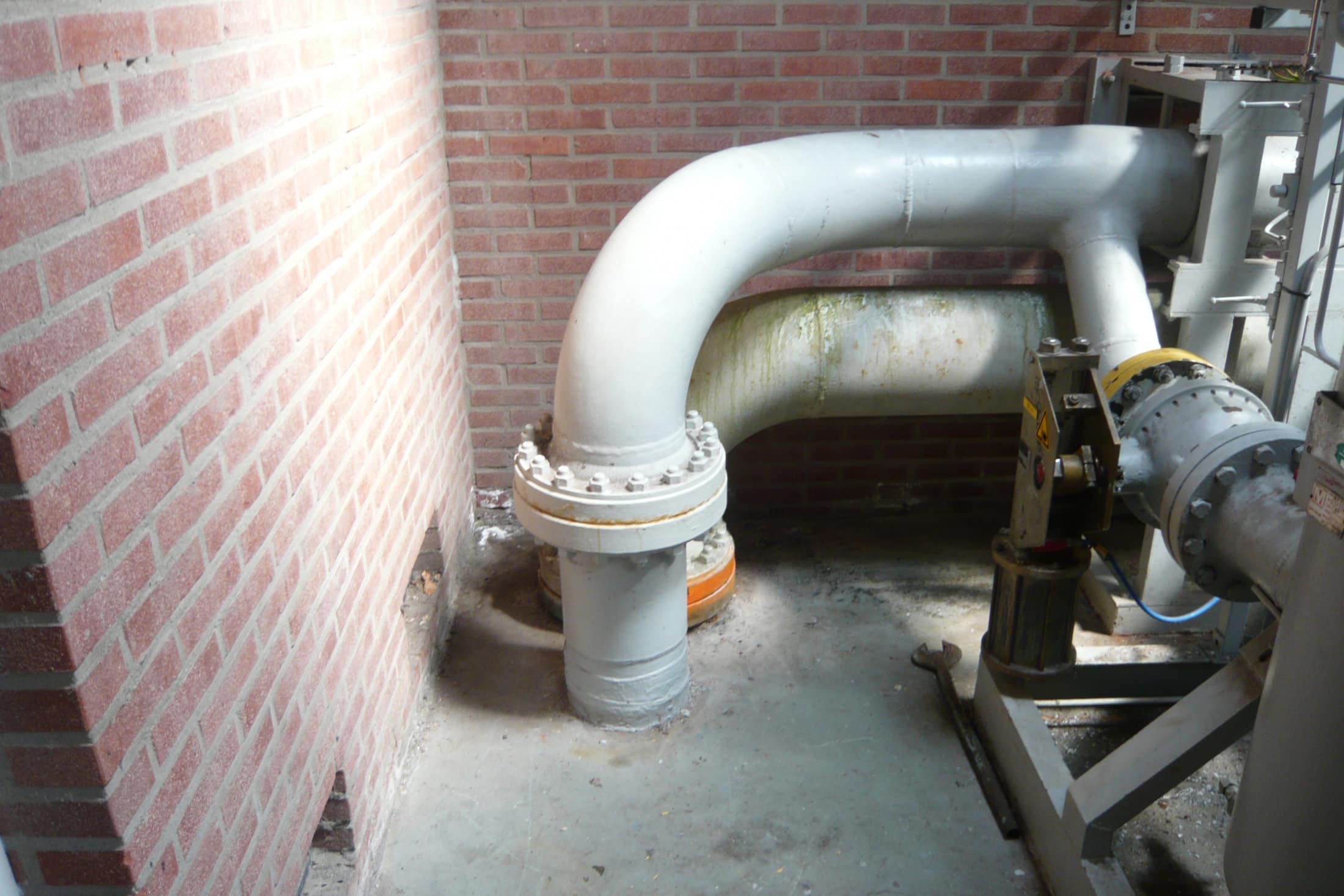
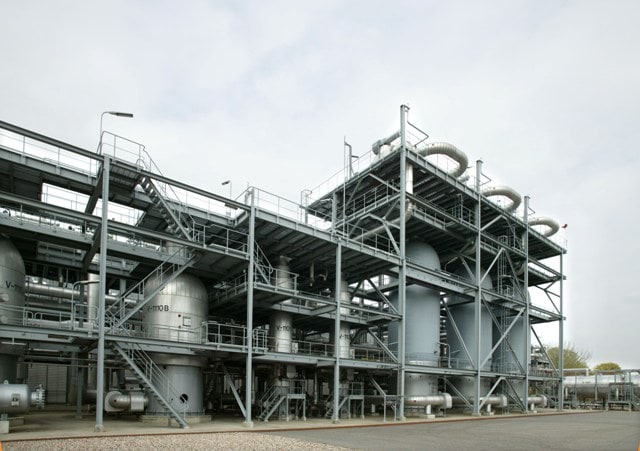
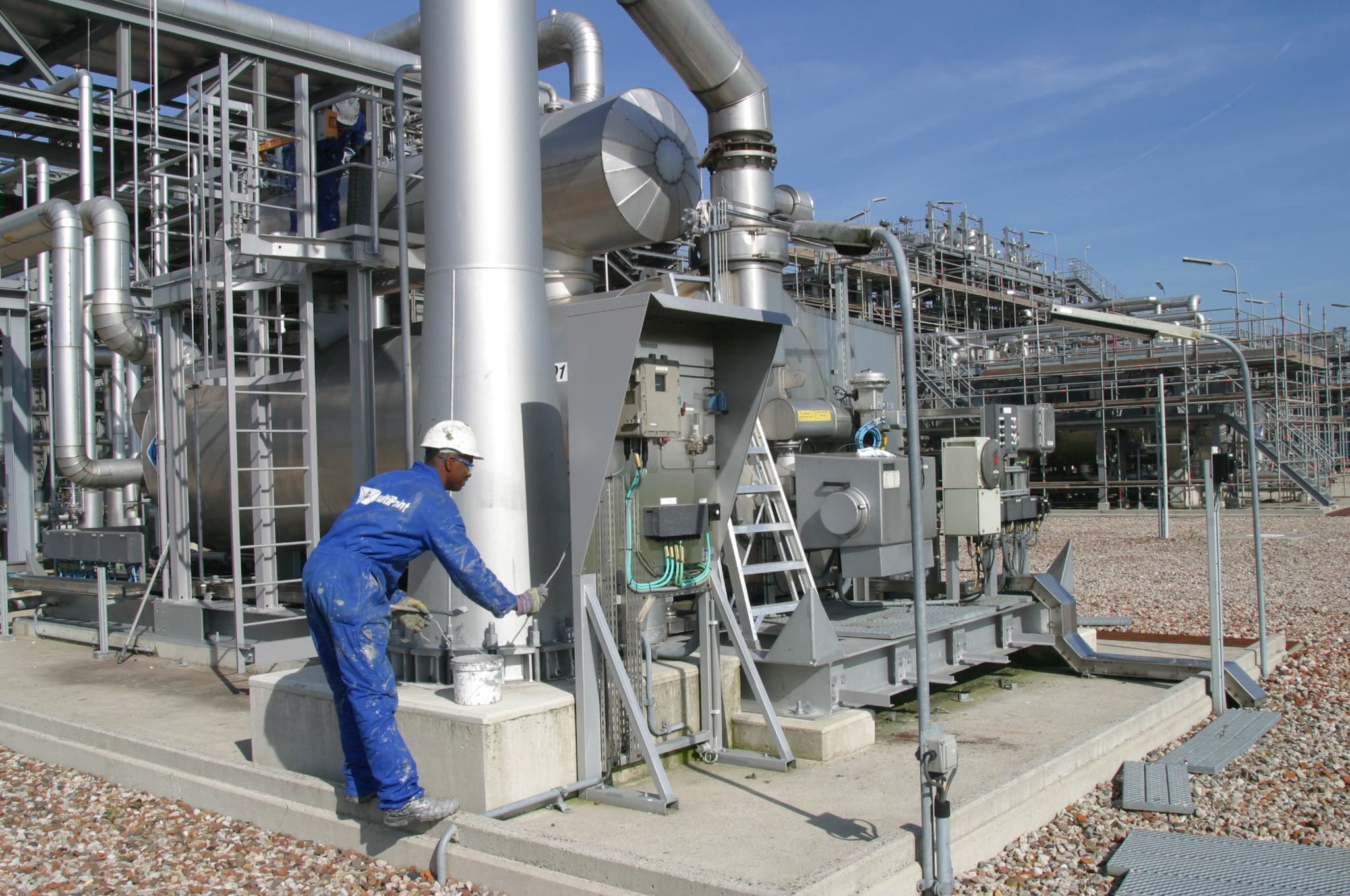
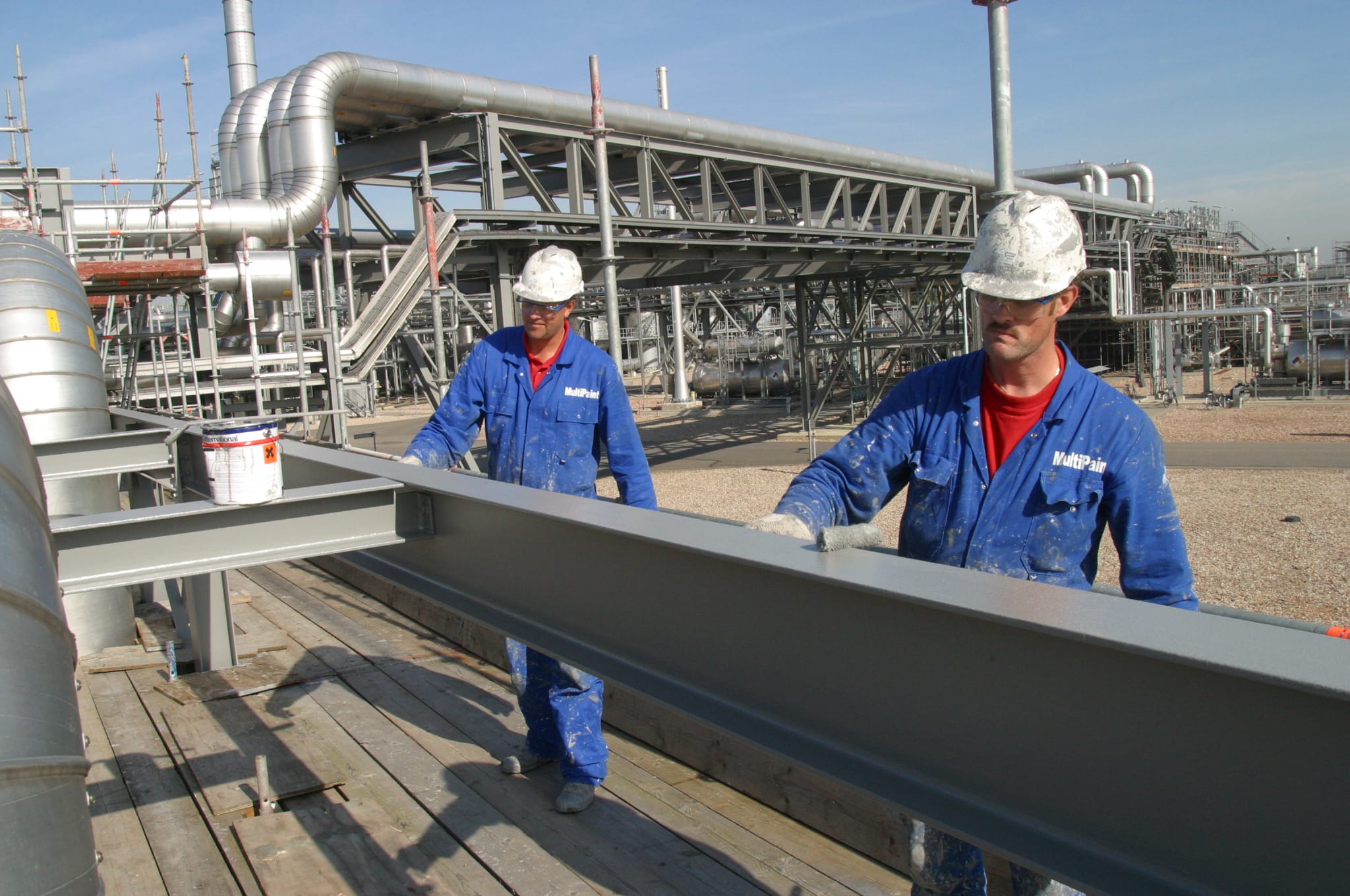


Corrosion: The Greatest Threat to Piping Systems
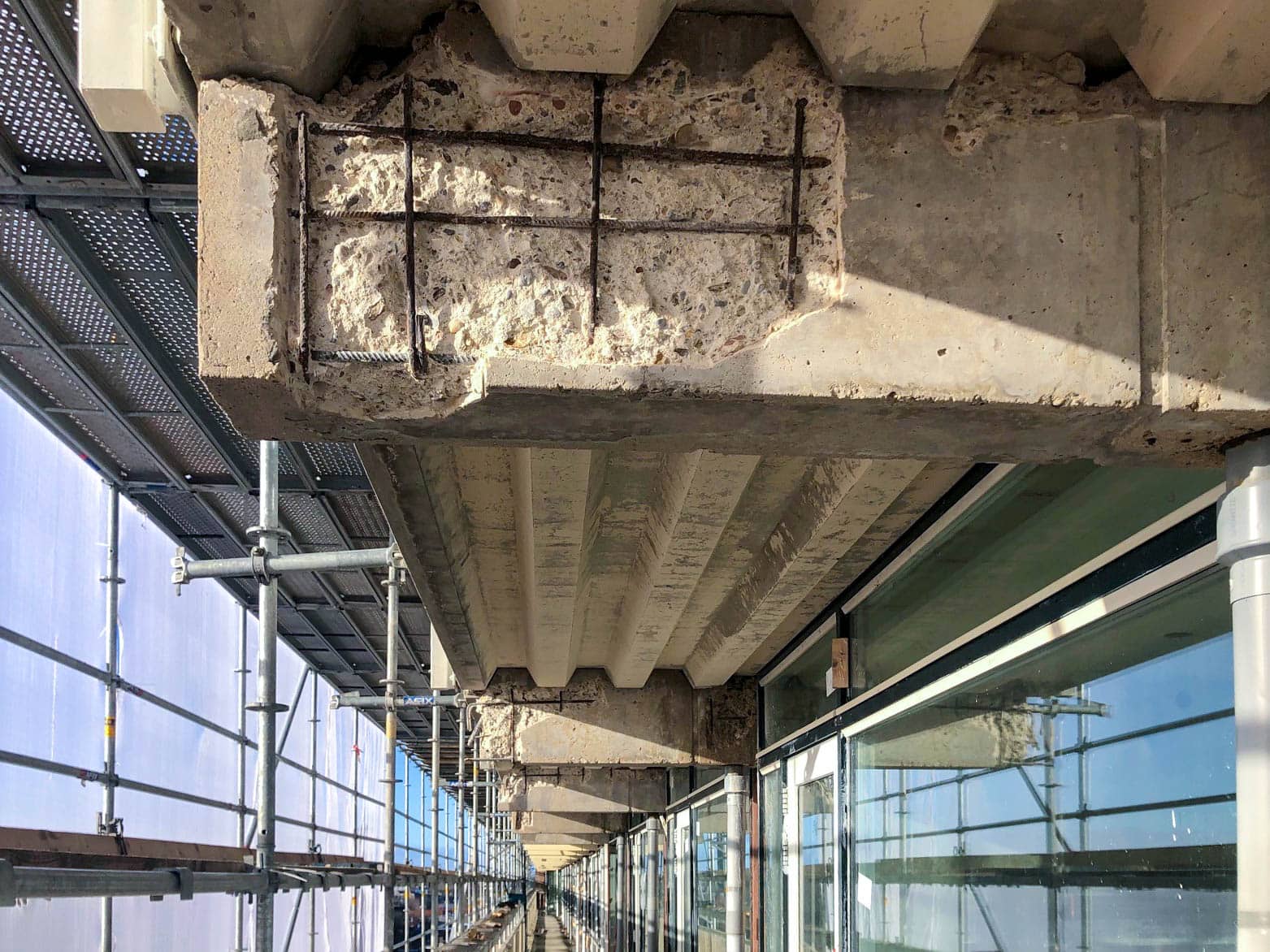
Piping often doesn’t get attention until a problem has already arisen. That’s risky: corrosion works from the inside out and is usually not visible on the outside until it’s too late.
Overdue maintenance on piping leads to:
- Corrosion damage that goes unnoticed until a leak actually occurs
- Unplanned downtime and high costs for emergency repairs
- Increased risk of safety and environmental incidents
- Accelerated wear and tear on the rest of the piping system due to localized damage
Preventive maintenance is consistently less expensive than repairs after the fact and prevents a local problem from escalating into a system failure.
Projects
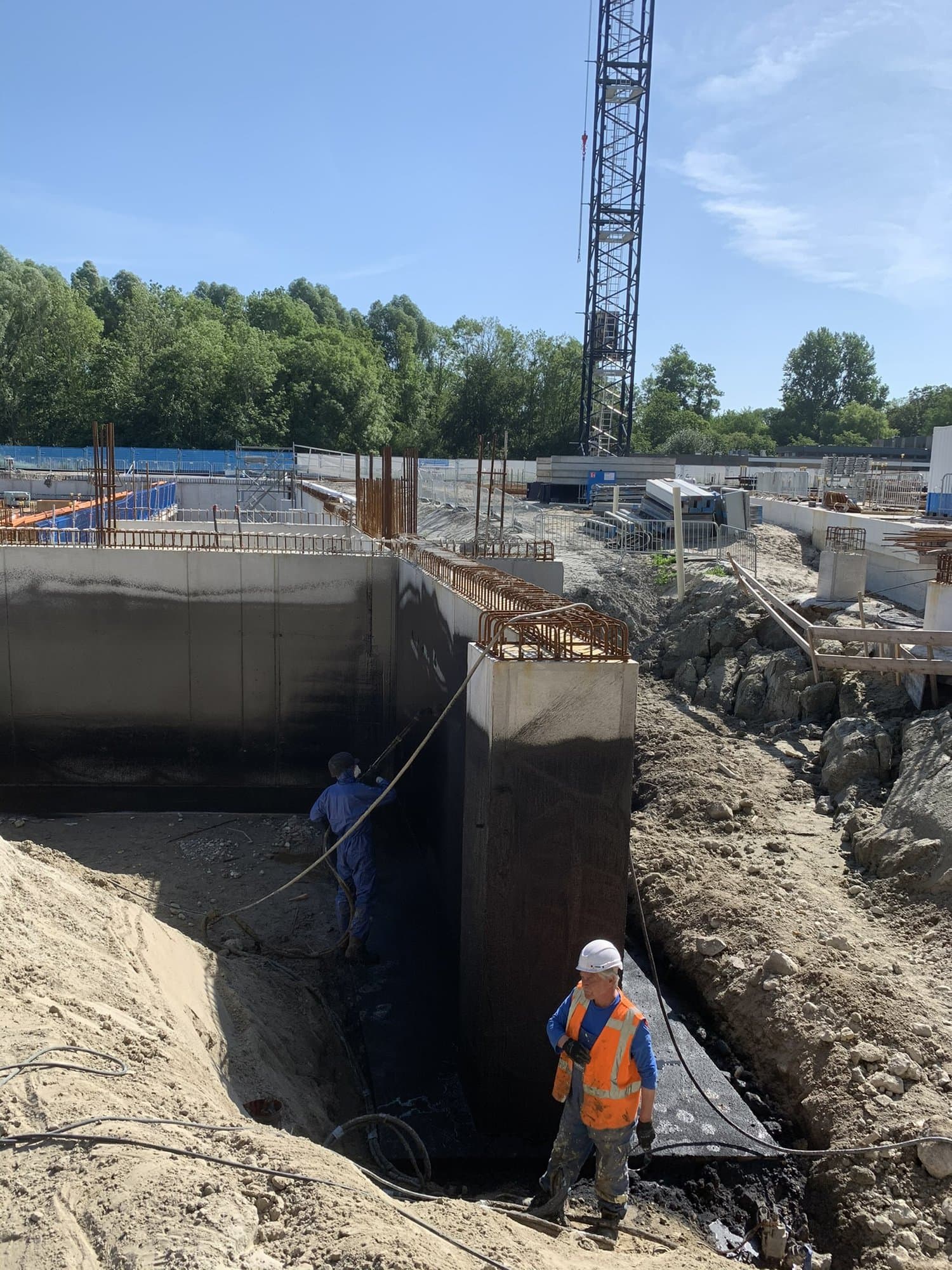
Protection of Underground Piping
Underground piping is in constant contact with the soil and is therefore vulnerable to moisture, soil subsidence, and long-term, hard-to-detect corrosion. A protective coating serves as the first line of defense against steel corrosion. Because damage to underground pipes often goes unnoticed until it is too late, periodic inspections are especially important.
Protection of Above-Ground Piping
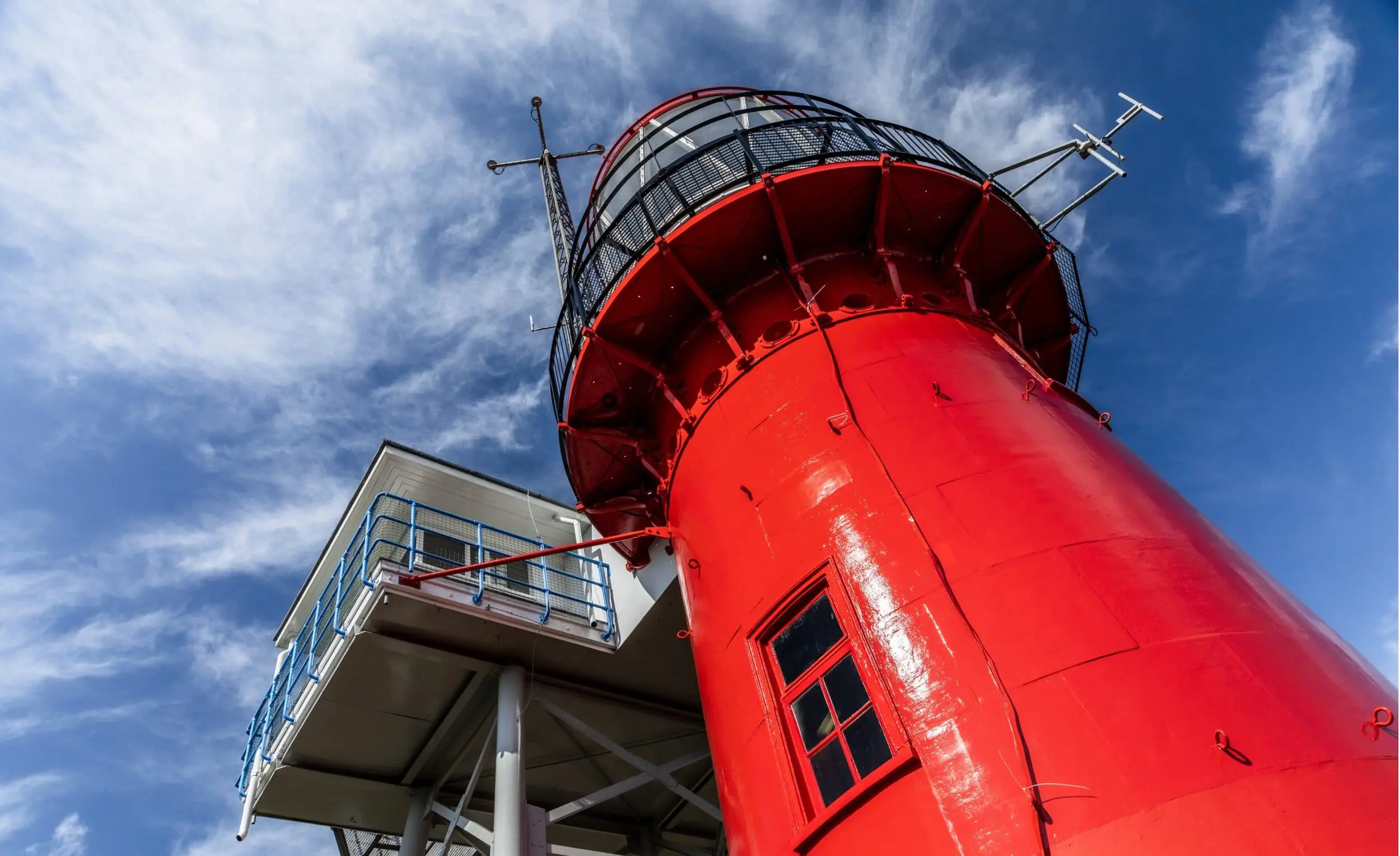
Above-ground piping is exposed to the elements, temperature fluctuations, UV radiation, and mechanical stress. Visible damage, such as peeling paint or surface rust, is easier to detect here than with underground pipes, but it does require timely intervention to prevent further deterioration.
Maintenance and Inspection of Piping Systems
Proper maintenance begins with an inspection of the current condition: the extent of corrosion, wall thickness, damage to the coating, and environmental risks. Based on this assessment, a determination is made as to whether a preventive coating is sufficient or whether localized repairs are needed. In many cases, targeted repairs can be made without having to completely replace a pipe.
SealteQ: A Specialist in Above- and Below-Ground Piping Systems
Do you have questions about protecting underground or above-ground piping, or would you like to schedule an inspection? Please feel free to contact us.
Our specialisms
View all